




The Psychology of the Scam
Fraudsters are masters of manipulation, and they build their scams around powerful human emotions: excitement, urgency, and trust. For someone new to digital payments, the promise of an instant cashback or a reward is an exciting introduction to the ecosystem.
Scammers exploit this by creating a sense of urgency, telling victims they must act fast to claim their reward. They often pose as customer service agents or buyers on resale platforms, building a false sense of trust before they strike. This combination of social engineering and technical trickery is highly effective, especially against those who are not yet familiar with the rules of UPI.
How the Fake Cashback Scam Works
This scam typically starts with an unsolicited message via SMS or WhatsApp, promising a cashback or reward. The message contains a link that, when clicked, often leads to a malicious website or directly opens a UPI app. The site might look legitimate and ask you to enter your details to 'claim' the prize. However, instead of receiving money, these links are often designed to initiate a 'Collect Request'—a feature that asks you to approve a payment from your account. Victims, believing they are authorising a credit, enter their UPI PIN, which in reality sends their money to the scammer. A recent case saw a user lose nearly ₹10,000 after falling for a fake UPI cashback scratch card found on social media.
The QR Code Deception
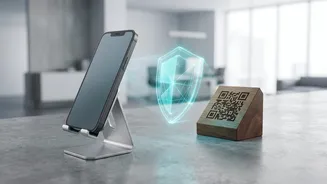
The QR code scam exploits a fundamental misunderstanding about how UPI works. Fraudsters send a QR code and ask the victim to scan it to receive money. This is common on platforms like OLX or Facebook Marketplace, where a fake 'buyer' will ask the seller to scan a QR code to accept payment. However, scanning a QR code and entering your PIN is exclusively for sending money, never for receiving it. When the victim scans the code and enters their PIN, they are authorising a debit from their own account. There is no legitimate scenario in UPI where you need to enter your PIN to be paid.
Why New Users Are Prime Targets
First-time UPI users are particularly vulnerable for several reasons. They are often less familiar with the user interface and the specific functions of a UPI app. The crucial difference between sending and receiving money, especially the rule that a PIN is never needed to receive funds, may not be obvious to them. Furthermore, new users may have a higher level of trust or excitement about using a new technology, making them more susceptible to the lure of introductory offers and cashbacks. This lack of experience and awareness is precisely what scammers rely on to make their schemes successful.
The Golden Rules for Staying Safe
Protecting yourself from these scams is straightforward if you remember a few key principles. First and foremost, you NEVER need to enter your UPI PIN to receive money. Your PIN is a key to authorise payments leaving your account, not for funds coming in. Be highly suspicious of any unsolicited links or QR codes promising cashback or rewards, especially from unknown numbers. Always verify the recipient's name in the UPI app before confirming a transaction. Finally, if a deal seems too good to be true, or if someone is pressuring you to act quickly, it is almost certainly a scam. Always use official customer care channels found within the app or on the bank's official website, not from a web search.