





Why Gentle Movement on Rest Days Works
A day off from intense exercise is crucial for muscle repair and preventing burnout. However, switching from high intensity to total inactivity isn't always the best strategy. This is where active recovery comes in. Active recovery involves low-intensity
exercise designed to help your body heal more efficiently than passive recovery, which is complete rest. Engaging in gentle movement increases blood flow to your muscles. This enhanced circulation delivers vital oxygen and nutrients that aid in repairing the microscopic tears created during strenuous workouts, while also helping to flush out metabolic waste products that contribute to soreness and stiffness. The result is often less muscle pain and a quicker return to feeling refreshed and ready for your next challenge.
What Counts as Gentle Movement?
The key to active recovery is keeping the intensity low. This is not another workout. A good rule of thumb is that you should be able to hold a conversation easily during the activity. The goal is to stimulate the body without adding significant stress. Think of activities that are low-impact and feel restorative rather than strenuous. Examples include light cardiovascular exercises, mobility work, and gentle stretching. Activities like a relaxed-pace walk, a casual bike ride on flat terrain, swimming, or a beginner-level yoga class are all excellent choices. These movements help keep joints lubricated and muscles pliable, preventing the stiffness that can set in after a hard session.
Walking: The Ultimate Recovery Tool
Perhaps the most accessible and effective form of gentle movement is walking. It requires no special equipment and can be done almost anywhere. A 20 to 30-minute walk at a comfortable pace is enough to boost circulation, reduce stiffness, and aid muscle repair without taxing your body. Walking is a low-risk, high-consistency activity that helps restore healthy movement patterns and supports joint mobility. Beyond the physical benefits, a walk outside can serve as a mental break, reducing stress and improving your mood, which are also vital components of a holistic recovery process.
Incorporate Stretching and Mobility
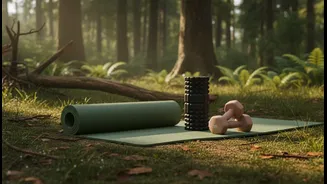
Rest days are the perfect opportunity to focus on flexibility and mobility, two areas often neglected in a busy training schedule. Gentle stretching can help alleviate muscle tightness, while mobility exercises focus on improving the range of motion in your joints. Consider incorporating dynamic stretches like leg swings and arm circles to warm up the joints, or static stretches where you hold a position for 20-30 seconds to lengthen muscles. Foam rolling is another fantastic tool for active recovery, as it helps release knots and tight spots in your muscles, a practice known as myofascial release. A gentle yoga session can combine stretching, mobility, and mindful breathing for a comprehensive recovery experience.
Listen to Your Body and Plan Ahead
While active recovery is beneficial, it’s not a requirement for every rest day. The most important rule is to listen to your body. If you are feeling exceptionally fatigued, ill, or are in sharp pain, a day of complete passive rest might be what you truly need. Plan your gentle movement as a restorative practice, not another item on your to-do list. You might schedule a walk with a friend, a leisurely bike ride through a park, or a calming yoga class. By reframing your rest days to include enjoyable, light activity, you support both your physical and mental well-being, ensuring you can return to your workouts stronger, more resilient, and with renewed motivation.