






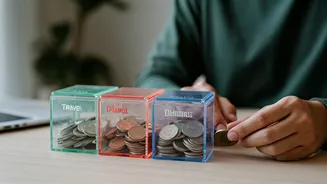


Set a Specific Goal for Your Points
The first step to intentional spending is knowing what you're spending—or saving—for. Instead of accumulating points aimlessly, define a clear and motivating goal. [13, 19] This could be anything from a family vacation, a down payment on a car, or even
covering holiday gifts. [2, 4] By naming your goal, you give your rewards a purpose. [15] This shifts your mindset from chasing fleeting deals to consciously building toward something that genuinely adds value to your life. [13, 19] Every time you choose to use your card for a budgeted expense, you'll know it's contributing to a meaningful objective, making it easier to avoid impulse redemptions for things you don't truly need.
Align Rewards with Your Actual Budget
The most effective way to use reward cards is to match them to your existing spending habits, not the other way around. [3, 5] Analyse your budget to see where most of your money goes each month—be it groceries, fuel, or monthly bills. [1] Then, choose a card that offers the highest rewards in those specific categories. [3, 5] This strategy allows you to accumulate points on predictable, necessary expenses you were going to make anyway. [1] It prevents the trap of overspending just to hit a sign-up bonus or take advantage of a promotion that doesn't align with your lifestyle. [5] Always aim to pay the balance in full each month; otherwise, interest charges will quickly cancel out any rewards you've earned. [1, 5]
Turn Cash Back into a Financial Power Tool
Cash back is arguably the most flexible reward, and it can be a powerful engine for intentionality. Instead of letting it simply reduce your credit card statement, take direct control. Set up a system where you manually transfer your cash-back earnings into a separate account dedicated to a specific financial goal. This could be a high-yield savings account for an emergency fund, an investment account, or a fund for paying down debt. By earmarking this money for a purpose, you're not just saving—you're actively directing found money toward building long-term financial wellness. [4, 13]
Implement a 'Redemption Cooling-Off' Period
Impulse buys are a major hurdle to intentional spending, and the temptation can be even stronger when using points. [6, 14] To combat this, establish a personal rule: before redeeming points for any non-essential item, wait at least 24-48 hours. [10, 13] This "cooling-off" period creates a crucial buffer, allowing the initial dopamine hit of finding a "deal" to fade. [14] Use this time to ask yourself: Would I spend actual cash on this? Does it align with my goals? [15] More often than not, you'll find the desire fades, and you've saved your hard-earned points for something that truly matters. [6, 10]
Audit Your Loyalty Programs Regularly
It's easy to sign up for countless store loyalty programs that clutter your inbox with tempting offers designed to make you spend. [6] To be more intentional, perform a quarterly audit. Unsubscribe from mailing lists for stores you rarely visit and remove apps that send constant notifications. [6] Focus on the programs that provide genuine value for your regular, necessary purchases, like at the grocery store or pharmacy. [4, 9] This not only reduces the temptation to make unplanned purchases but also streamlines your reward-earning strategy, ensuring your efforts are concentrated where they have the most impact on your budget.