









A New Vision for Stations
Indian Railways is steering a significant transformation, moving beyond the traditional role of stations as mere points of arrival and departure. The new approach, primarily driven by the Amrit Bharat Station Scheme, envisions stations as integrated commercial
and social hubs that enhance the passenger experience. This initiative aims to redevelop over 1,300 stations across the country, turning them into vibrant 'city centres' that offer comfort, convenience, and a touch of local culture. The goal is to make waiting for a train as pleasant and productive as the journey itself, fundamentally changing the public's perception and use of these crucial public spaces. Stations like Rani Kamalapati in Bhopal and Manduadih in Varanasi are early examples of this change, often drawing comparisons to modern airports for their sleek designs and passenger-focused amenities.
From Waiting Rooms to Executive Lounges
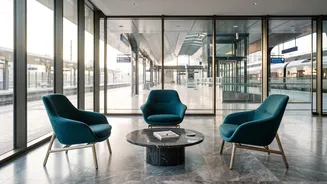
One of the most visible upgrades is the introduction of executive lounges, a feature once exclusive to airports. These new spaces offer a stark contrast to the old, crowded waiting rooms. Passengers can now access air-conditioned areas with comfortable seating, complimentary Wi-Fi, and a range of food and beverage options. For example, the executive lounge at M.G. Ramachandran Central Railway Station in Chennai offers single sofas, recliners, and even sleeping pods for weary travellers. Stations like New Delhi, Patna Junction, and several others have also introduced these facilities, which can be accessed for a nominal fee. This provides passengers, from business travellers to families, a quiet and clean environment to relax or work before their journey begins.
Retail Therapy on the Platform
The retail landscape at railway stations is also undergoing a major overhaul. Beyond the familiar tea stalls and bookshops, stations are now incorporating a diverse mix of retail outlets, including branded food chains, convenience stores, and pharmacies. This is part of a broader strategy to modernise amenities and generate non-fare revenue. A key component of this retail revolution is the 'One Station One Product' (OSOP) scheme. Launched in 2022, this initiative provides dedicated outlets for local artisans and craftspeople to sell indigenous products, directly connecting them with millions of passengers. As of early 2026, over 2,300 OSOP outlets are operational at more than 2,000 stations, showcasing everything from Madhubani paintings in Bihar to Channapatna toys in Karnataka. This not only offers travellers unique souvenirs but also provides a significant economic boost to local communities.
The Amrit Bharat Station Scheme
The driving force behind this nationwide upgrade is the Amrit Bharat Station Scheme (ABSS), launched in late 2022. This ambitious programme focuses on creating long-term master plans for each station, ensuring that redevelopment is comprehensive rather than cosmetic. The scheme prioritises improved station accessibility, including wider foot-over-bridges, lifts, and escalators, especially for differently-abled passengers. It also emphasizes better lighting, clean and modern toilets, clear digital signage, and improved integration with city transport. In July 2026, Prime Minister Narendra Modi inaugurated 75 redeveloped stations under this scheme, highlighting the government's commitment to modernising the country's railway infrastructure at an accelerated pace. By eschewing a one-size-fits-all approach, each station's redevelopment plan also aims to incorporate local design and cultural elements.
What It Means for the Everyday Traveller
For the millions of people who rely on Indian Railways every day, these changes translate into a more comfortable, convenient, and dignified travel experience. The long hours spent waiting for a train can now be used more productively in a lounge or spent exploring local products at an OSOP kiosk. The improved accessibility features make it easier for the elderly and those with mobility challenges to navigate sprawling station complexes. The presence of well-known food brands and cleaner facilities enhances feelings of safety and well-being. This shift signifies more than just an infrastructure upgrade; it represents a fundamental change in how Indian Railways views its relationship with passengers. By focusing on customer amenities, the railway network is finally aligning the on-ground experience with the modern, comfortable journeys increasingly offered on the trains themselves.