








An Unprecedented Tourism Boom
Ladakh is experiencing a remarkable surge in tourism, cementing its status as a sought-after destination. In the first half of 2026 alone, the region welcomed 2,25,286 tourists. This includes a significant jump in foreign visitors, with arrivals nearly
doubling in June 2026 compared to the previous year. The influx, driven by Ladakh's unique blend of adventure, culture, and natural beauty, represents a vital economic lifeline for local hoteliers, transporters, and artisans. Official figures show that overall tourist arrivals in June 2026 were up by over 43% from June 2025, a clear indicator of the region's rising global and domestic appeal.
The Bottleneck in the Skies
The primary gateway, Kushok Bakula Rimpochee Airport in Leh, is grappling with the pressure. As one of the highest commercial airports in the world, it faces unique operational challenges. The high altitude and thin air reduce aircraft engine performance, forcing flights to operate within a narrow window in the mornings to avoid fierce afternoon winds. Unusual temperature spikes, which have become more frequent, can further decrease air density to levels that make take-offs unsafe, leading to flight cancellations. These limitations create a significant bottleneck, restricting the flow of tourists and supplies, and underscoring the urgent need for enhanced capacity.
A Strategic and Civilian Imperative
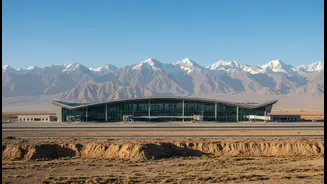
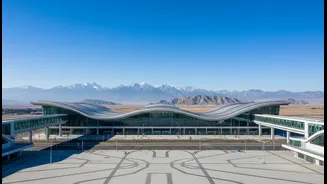
Recognising the need, the government is aggressively upgrading aviation infrastructure. The new integrated terminal at Leh airport is a key project, with 83% of construction complete as of July 2026. Once operational, it is designed to handle up to 54 flights a day, nearly tripling the airport's current capacity. Beyond Leh, the development of the Nyoma Advanced Landing Ground (ALG) as a full-fledged airbase is a game-changer. Located at about 13,700 feet and close to the Line of Actual Control (LAC), Nyoma enhances India's strategic defence capabilities by allowing for the rapid deployment of troops and supplies. Crucially, these projects have a dual-use purpose, serving both military needs and civilian commercial flights, thereby integrating the remote region more closely with the rest of the country.
More Than Just Tourist Runways
The importance of these airports extends far beyond tourism and defence. For the local population, improved air connectivity is a lifeline. It means faster and more reliable access to essential services like advanced healthcare and higher education, which are often difficult to reach, especially during harsh winters when roads are blocked. Better connectivity stimulates local businesses, opens up new economic opportunities, and helps formalise a sector that is a primary source of livelihood. By enhancing all-weather access, these infrastructure projects address broader developmental challenges and help ensure that the benefits of growth are more evenly distributed.
Balancing Progress and Preservation
However, this large-scale development in an ecologically fragile region is not without its challenges. The Himalayas are a young and tectonically active mountain range, making construction activities inherently risky and prone to causing soil erosion and landslides. Environmentalists and local communities have raised concerns that rampant construction, if not managed properly, could damage the delicate ecosystem that makes Ladakh unique. The goal is to pursue sustainable development, where infrastructure growth is balanced with environmental stewardship. This involves using climate-resilient designs and ensuring that the region's carrying capacity is respected to avoid long-term damage.