




Anatomy of a Mid-Air Crisis
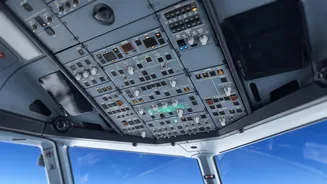
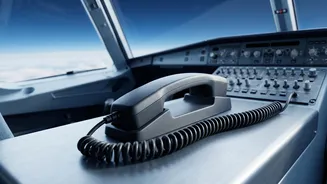
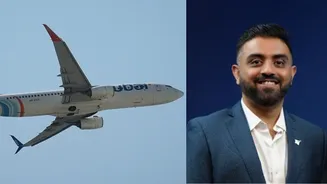
On September 30, 2026, Flydubai Flight FZ1073 from Dubai to Tel Aviv transmitted two emergency signals: a general emergency (squawk 7700) and one for unlawful interference (squawk 7500). This came after a reported violent confrontation in the cockpit
where the co-pilot allegedly attacked the captain, an Indian national named Smit Machchhar. The crew managed to regain control and land the plane safely, but the event serves as a stark reminder of the importance of the robust, multi-layered safety protocols that govern modern air travel. These procedures are not just suggestions; they are rigorously practiced drills designed for moments of extreme pressure.
The First Line of Defence: The Crew
While passengers see cabin crew serving meals and ensuring comfort, their primary role is safety. Airlines like Flydubai invest heavily in training their crews to handle a wide array of emergencies. This training goes far beyond a simple safety briefing. Crew members undergo regular, intensive drills in realistic simulators covering scenarios like in-flight fires, sudden cabin depressurization, medical emergencies, and full-scale evacuations. They learn to fight fires using onboard extinguishers, perform CPR and use a defibrillator, and guide panicked passengers in smoke-filled cabins. The goal is to make these procedures second nature, replacing instinct with practiced, decisive action in the critical first 90 seconds of an incident.
Decoding the Safety Briefing
The pre-flight safety demonstration can feel routine, but it contains life-saving information. Instructions to locate the nearest exits are crucial because the closest one may be behind you. The brace position, often misunderstood, is a scientifically-backed technique designed to protect your head and neck from secondary impact and whiplash. By positioning your body against the seat in front, you minimize the force with which you are thrown forward during a sudden stop. Similarly, the automatic deployment of oxygen masks during depressurization is a critical system. The instruction to secure your own mask before helping others is not selfish; it ensures you remain conscious and able to assist children or other passengers.
Aircraft Design: Safety in the Structure
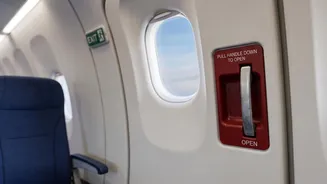
Commercial aircraft are marvels of engineering, with safety built into their very design. Following 9/11, cockpit doors were reinforced to become bulletproof and are kept locked during flight to prevent unauthorized entry. Other, less obvious features also play a role. The small hole in the window, for example, is a 'bleed hole' that regulates air pressure between the panes. Seat cushions are fire-resistant, and the materials used throughout the cabin are designed to slow the spread of fire and reduce smoke toxicity. Even the hooks you might spot on the wing are there for a reason: in a water landing, they are used to secure ropes to help passengers evacuate onto the slippery surface.
Evacuation: A 90-Second Test
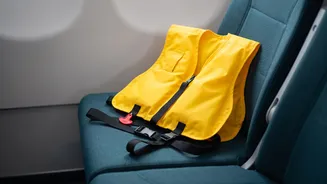
In the rare event that an evacuation is necessary, the goal is to get everyone off the aircraft in 90 seconds or less. This is the standard to which airlines are certified. It's why cabin crew repeatedly and forcefully command passengers to leave all their belongings behind. Stopping to retrieve a carry-on bag can block the aisle, damage the inflatable slide, and critically delay the evacuation for everyone. The crew is trained to assess which exits are safe to use (for example, if there is fire on one side) and to guide passengers toward viable escape routes using clear, loud commands. Following their instructions without hesitation is the single most important factor in a successful evacuation.