


The End of the Showroom Look
There was a certain comfort in buying a complete furniture set. It was a straightforward decision that removed the guesswork from decorating. A typical set often included a sofa, a wardrobe, and tables, all in the same finish, ensuring a coordinated look
that felt safe and, for a time, sophisticated. However, this approach often resulted in living rooms that looked more like a catalogue showroom than a personal sanctuary. Today, homeowners are realising that a perfectly matched room can feel impersonal and rigid. The shift is away from interiors that look like they were purchased in a single shopping trip and towards spaces that feel like they have been thoughtfully assembled over time. This move signals a growing desire for homes that reflect individuality rather than conforming to a pre-packaged ideal.
What’s Driving the Change?
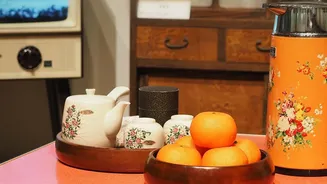
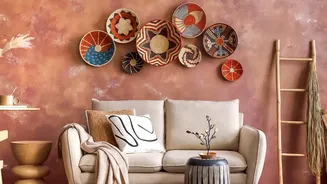
Several factors are fuelling this move towards more eclectic interiors. Increased global exposure through travel and social media platforms has introduced a world of design possibilities, from Scandinavian minimalism to Japandi aesthetics. Homeowners are no longer just looking outward; there's a renewed appreciation for local craftsmanship and heritage. This 'Granny Chic 2.0' trend is about integrating traditional Indian aesthetics into modern homes, not as museum pieces, but as functional parts of daily life. Think of handwoven textiles, carved wooden accents, or brass accessories coexisting with sleek, contemporary furniture. This blend allows for a space that is both rooted in culture and globally aware, creating a home that feels deeply personal and tells a unique story.
The Art of a Perfect Mismatch
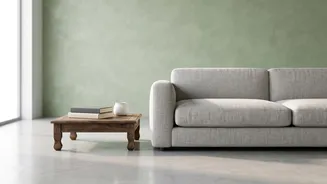
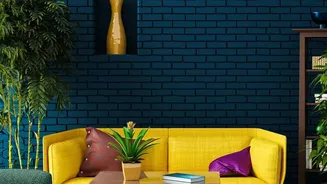
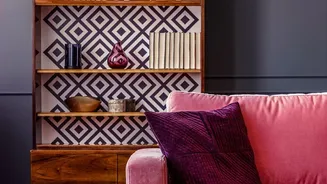
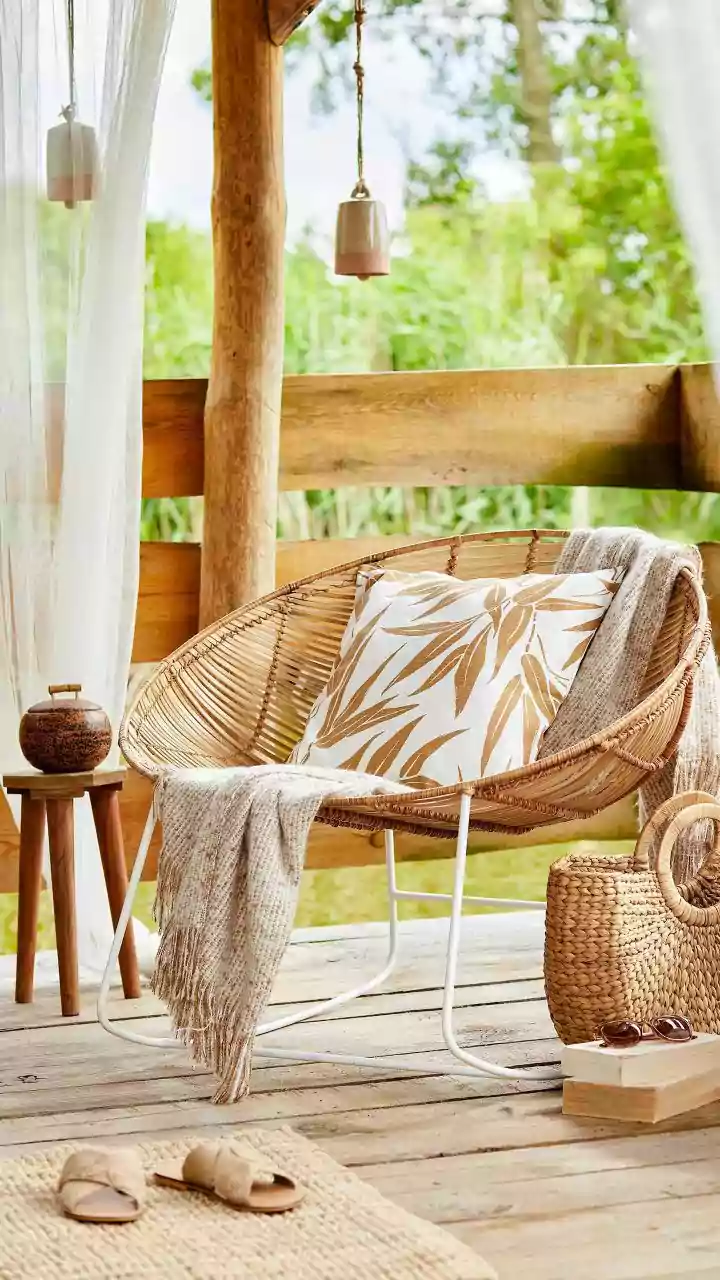
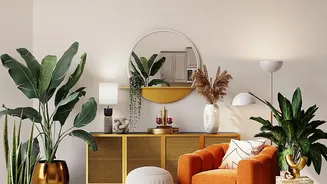
Mixing and matching furniture doesn't mean creating chaos. It's about achieving a curated harmony where different pieces feel connected. The secret is to find a common thread that ties everything together. This unifying element could be a consistent colour palette. For example, a neutral sofa can be brought to life with vibrant cushions that pick up on the hue of a traditional artwork or rug. Another approach is to use a repeated material, like wood, brass, or rattan, across different pieces to create a sense of cohesion. Texture also plays a crucial role; blending smooth modern surfaces with the rough-hewn texture of an antique cabinet or the softness of a handloom throw can add depth and interest. Finally, pay attention to proportion. A massive sofa paired with a tiny side table can feel unbalanced. Aim for pieces that have a similar visual weight, even if their styles are completely different.
A Home That Tells Your Story
Perhaps the most compelling reason to embrace a mix-and-match approach is the ability to create a home that is biographical. Memories rarely come in matching sets. The chair inherited from a grandparent, the rug bought on a memorable trip, the ceramic pot made by a local artisan—these are the items that hold emotional value and give a space its soul. By combining these personal treasures with contemporary furniture, your home becomes a living diary of your life and travels. This approach transforms your space from a static display into a dynamic environment that evolves with you. It creates a home that isn’t just beautiful, but deeply meaningful—a space where every corner has a story to tell.
How to Get Started
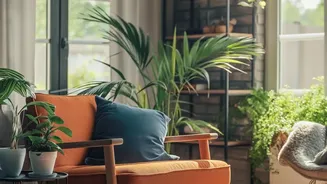
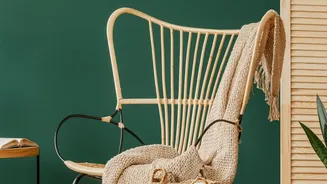
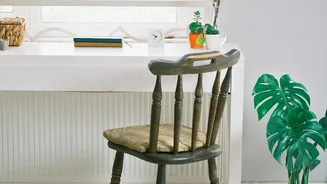
Diving into a mismatched aesthetic can feel daunting, but you don't have to change everything at once. Start small to build your confidence. One of the easiest ways is to introduce a single accent chair in a contrasting style or colour. This one piece can instantly break the monotony of a matching set and add a splash of personality. Another simple idea is to swap out your existing coffee table for one with a different material or shape. You could also experiment with your dining area by using chairs of different styles or colours around the same table. These small, intentional changes can have a big impact, making your living space feel more personal and complete without requiring a full overhaul.