


A Symphony for the Senses
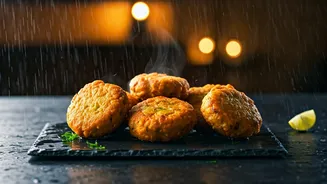
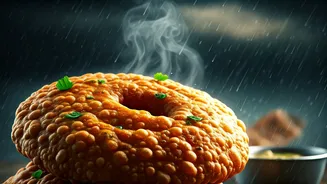
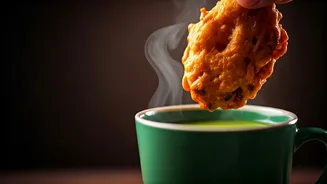
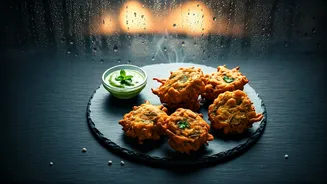
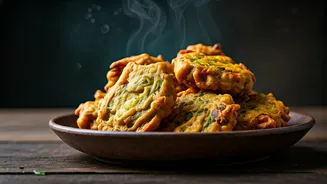
The love affair between rain and pakoras isn't just a habit; it's a full-blown sensory experience. Think about the contrasts. Outside, the world is cool, grey, and damp. Inside, a plate of pakoras offers the complete opposite: golden, radiating warmth,
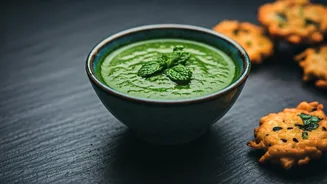
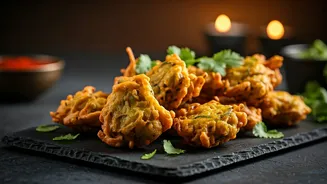
and promising a delightful crunch. The sound of the batter sizzling in hot oil mimics the pitter-patter of the rain, creating a comforting domestic soundscape. The aroma of besan, spices, and frying onions cuts through the earthy smell of wet soil. When you finally take a bite, the crisp exterior gives way to a soft, steaming interior. It’s a multisensory assault of comfort, a perfect antidote to the gloominess of a monsoon sky. This play of hot against cold, crispy against soft, and savoury against the clean taste of rain-washed air is what elevates this simple snack into a sublime experience.
The Comfort Food Equation
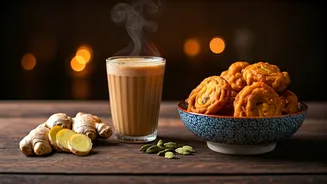
There's also a bit of science at play. When the sky is overcast and sunlight is scarce, our serotonin levels can dip, sometimes leading to lower moods. Our bodies instinctively seek a pick-me-up, and that often comes in the form of carbohydrates and fats. Fried foods like pakoras deliver exactly that. They provide a quick energy boost and trigger the release of mood-lifting neurotransmitters in the brain, creating a genuine feeling of comfort and contentment. It’s the same reason we crave other 'comfort foods' when we feel down or stressed. The pakora isn’t just delicious; it’s a form of self-care, a way to reclaim a sense of warmth and happiness when the weather is trying to bring you down. Paired with a hot cup of adrak-elaichi chai, it's a combination that nourishes the soul as much as the body.
A Bite of Culinary History
While the monsoon ritual feels timeless, the pakora itself has a long and delicious history. Fritters, in various forms, are mentioned in ancient Sanskrit texts, suggesting that the technique of coating vegetables or other items in a batter and deep-frying them has been part of the Indian culinary repertoire for centuries. The word 'pakora' is derived from the Sanskrit word 'pakvavata', a compound of 'pakva' (cooked) and 'vata' (a small lump). Over the centuries, this simple concept has evolved and adapted to every corner of the subcontinent. From the simple onion bhaji that is a universal favourite to more regional specialities, the pakora has become a canvas for culinary creativity. Its enduring appeal lies in its simplicity and versatility—a delicious way to use up leftover vegetables and create a satisfying snack with just a few pantry staples.
A Universe of Variations
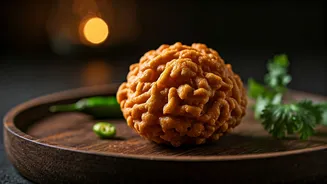
To say 'pakora' is like saying 'curry'—it describes a category, not a single dish. The sheer diversity is staggering. In the north, you'll find bread pakoras, often stuffed with a spicy potato mixture, and paneer pakoras that are creamy on the inside and crunchy on the outside. Head west, and you might encounter the fiery 'mirchi vada' of Rajasthan, where large green chillies are stuffed and fried. In the east, they make fritters with poppy seeds ('posto bora') or thinly sliced potatoes ('aloo chop'). Down south, the 'vazhaipoo vadai' made from banana flowers is a delicacy. There are palak (spinach) pakoras, gobi (cauliflower) pakoras, and even egg pakoras. This diversity is a testament to the pakora’s role as a truly pan-Indian snack, embraced and adapted by every culture and community to suit local tastes and ingredients.
More Than Just a Snack
Ultimately, the magic of rain and pakoras is about more than just food. It’s a social ritual. The rain often forces a pause in our busy lives. Work slows down, travel becomes difficult, and people gather indoors. In this shared moment of stillness, preparing and eating pakoras becomes an activity of togetherness. It’s the impromptu snack shared with colleagues in the office canteen when a downpour starts. It’s the plate passed around among family members as they watch the rain from the verandah. It’s a ritual that strengthens bonds, sparks conversation, and creates memories. This simple plate of fritters becomes a symbol of community, of finding joy and connection in the simple act of sharing food while the world outside is washed clean.