





The Unlikely Kitchen Hero
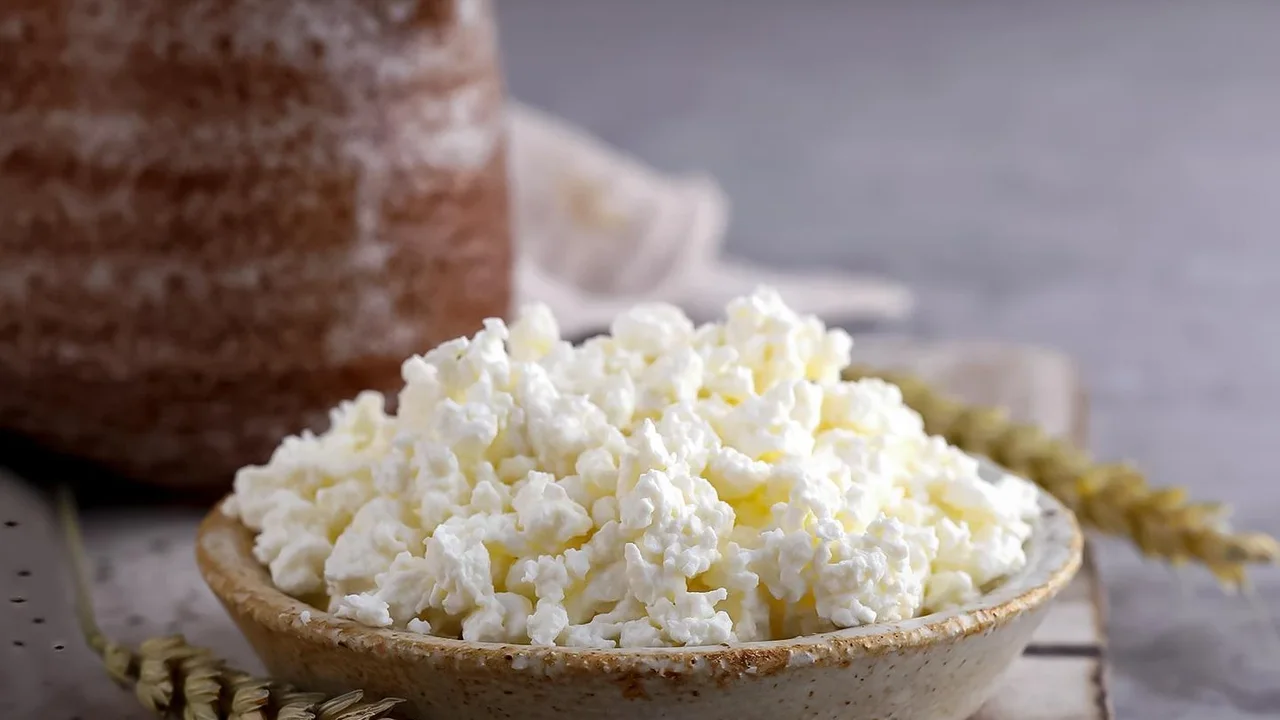
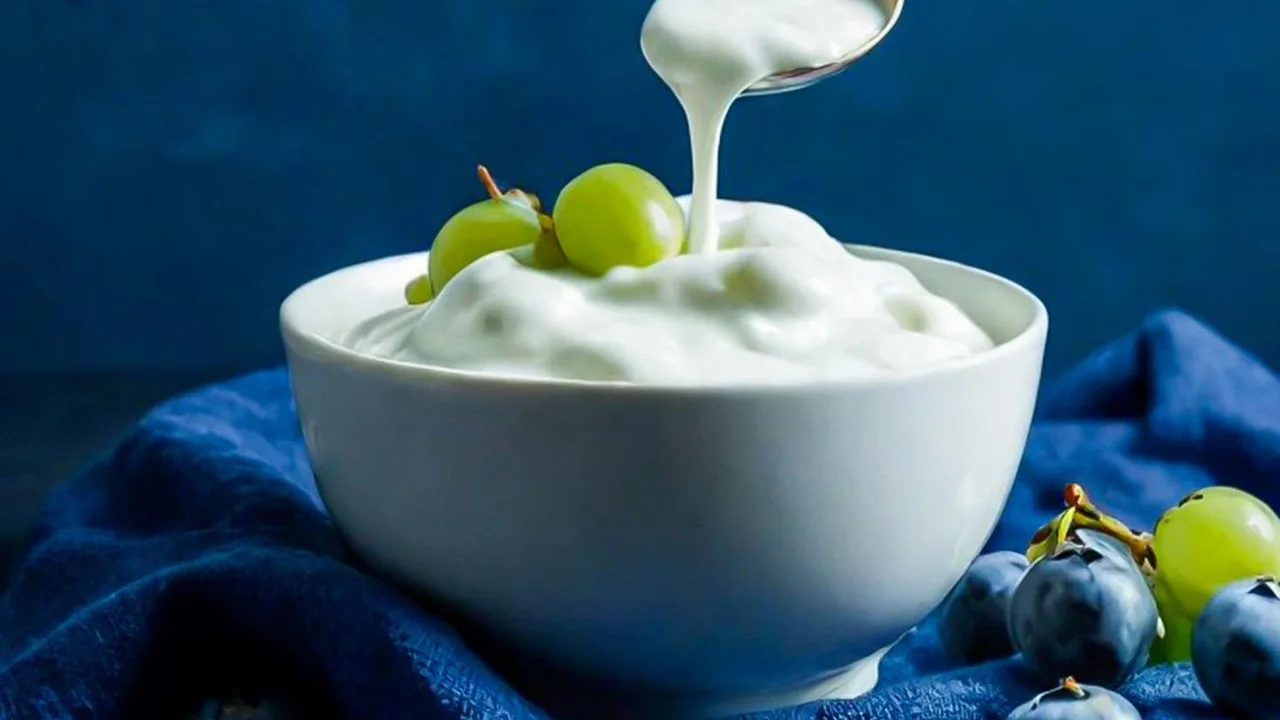
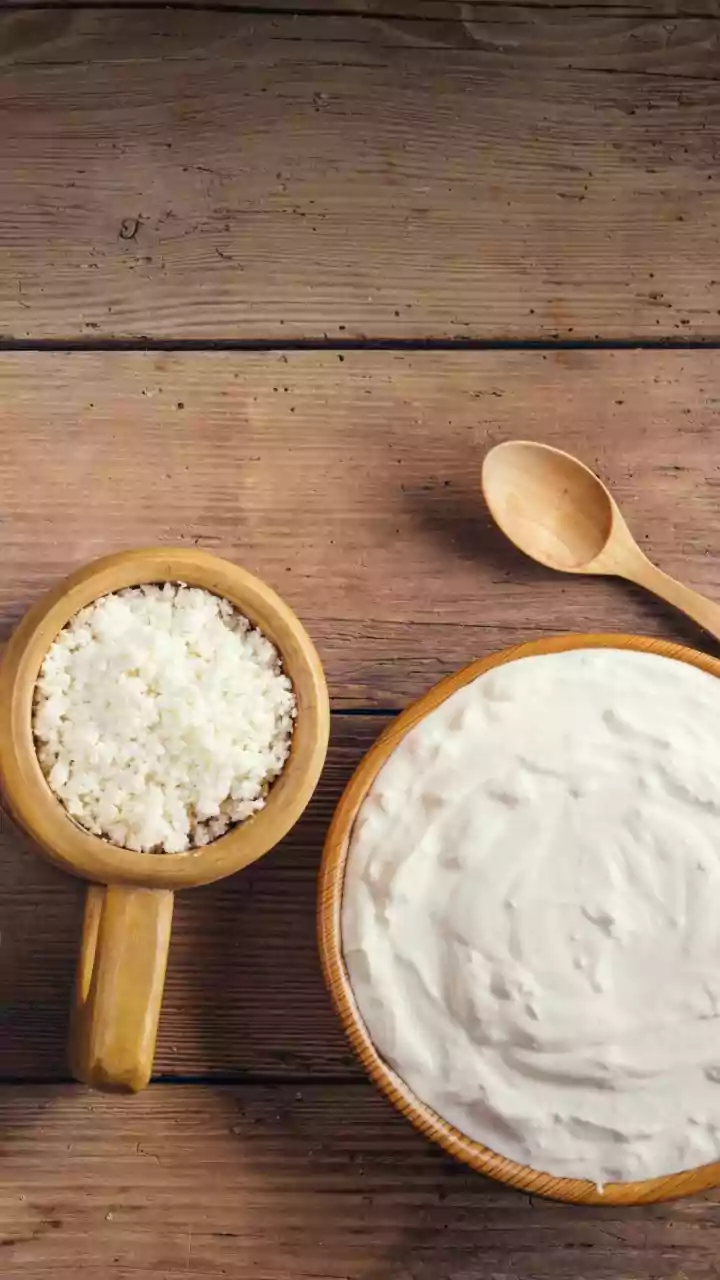
The star ingredient is none other than cottage cheese. Once dismissed as a bland diet food from a bygone era, it is now experiencing a remarkable resurgence. This newfound popularity is largely driven by a simple trick: blending it. When whipped in a blender
or food processor, the lumpy curds transform into a velvety, smooth, and creamy base that can be used in countless ways, making it an ideal substitute for yogurt, cream cheese, or sour cream. This transformation has unlocked its potential, turning it from a simple side dish into a culinary powerhouse.
Why the Sudden Boom?
The rise of cottage cheese is perfectly timed with a broader cultural shift towards high-protein diets for overall wellness, not just for athletes. Consumers are increasingly seeking foods that support muscle repair, promote satiety to aid in weight management, and provide sustained energy. With up to 28 grams of protein per cup, cottage cheese is a nutritional powerhouse. It is particularly rich in casein, a slow-digesting protein that helps keep you feeling full longer and supports muscle recovery, even overnight. This impressive nutritional profile, combined with its low-carb, low-calorie nature, has made it a darling of social media, where hashtags and viral videos showcase its endless possibilities.
Savory, Creamy, and Creative
One of the biggest revelations for modern cooks is the savoury potential of blended cottage cheese. Its mild, slightly tangy flavour makes it an incredibly versatile base for dishes you might not expect. It can be blended into a creamy, high-protein pasta sauce, replacing heavy cream or cream cheese. It serves as the foundation for flavourful dips, like buffalo chicken or garlic herb varieties, and can be used as a healthier spread on toast and sandwiches. Some creative cooks are even blending it into broths for a creamy texture or mixing it into scrambled eggs for an extra protein boost and a richer consistency.
The Guilt-Free Sweet Treat
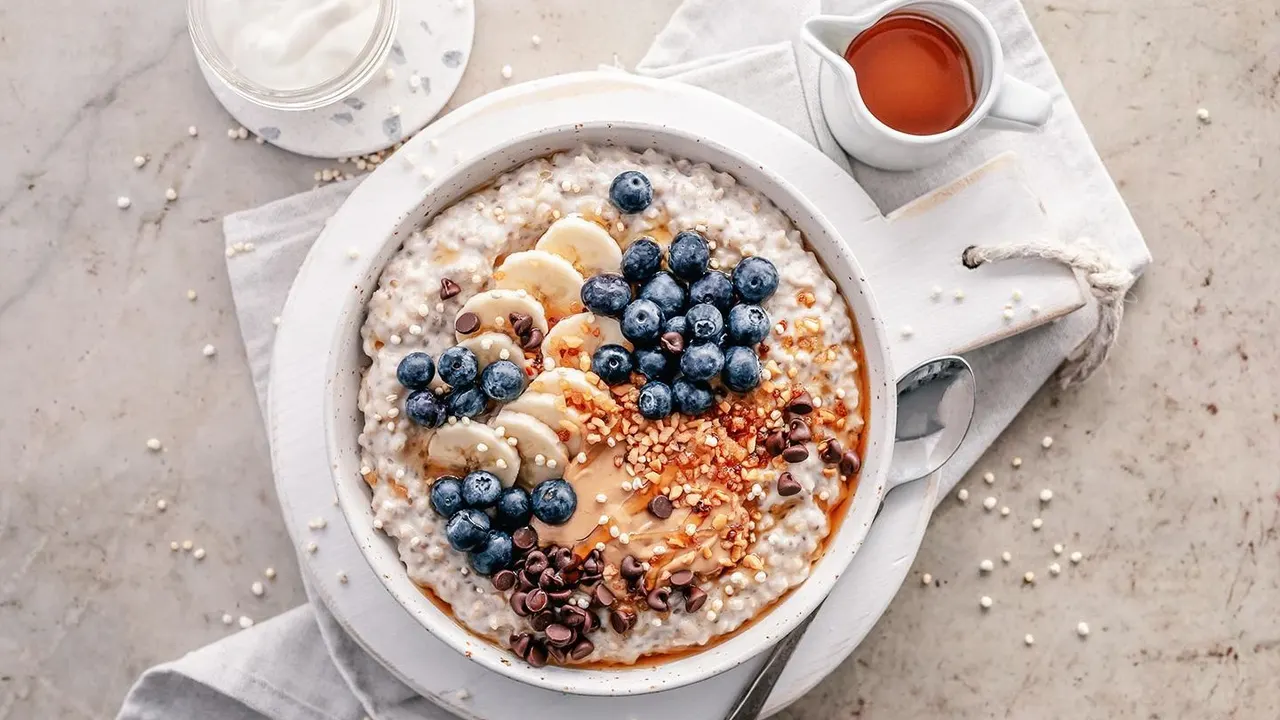
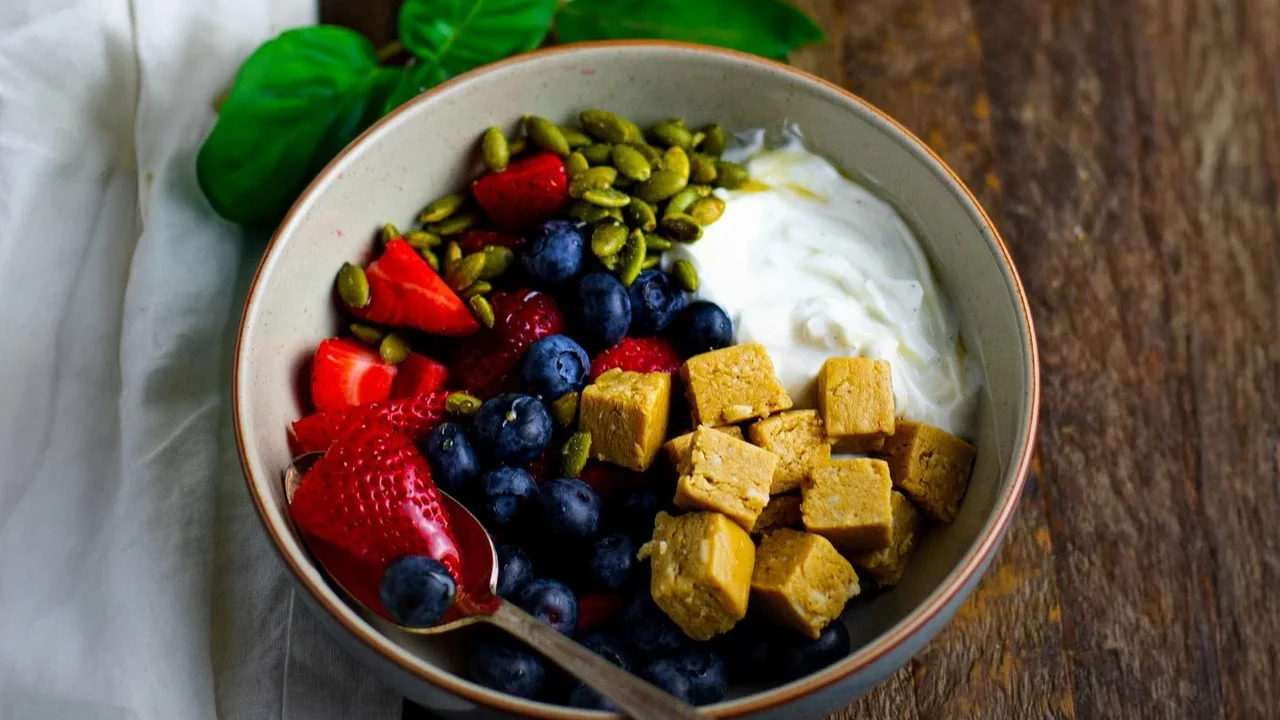
The magic of cottage cheese extends well into the world of desserts and sweet snacks. When blended with frozen fruit and a touch of sweetener, it creates a remarkably creamy and high-protein ice cream. It has become a key ingredient in healthier versions of cheesecake, puddings, and mousse, providing a rich texture without the high fat content of traditional recipes. It's also being incorporated into breakfast favourites, adding a protein and calcium boost to pancake and waffle batters, oatmeal, and smoothie bowls, proving that indulgence doesn't have to come at a nutritional cost.