





The Immunity-Boosting Duo: Ginger and Garlic
Ginger and garlic are foundational to Indian cooking and become even more crucial during the monsoon. This powerful pair is known for its natural antiviral, antibacterial, and anti-inflammatory properties. With humidity and dampness increasing the chances
of colds, coughs, and flu, incorporating fresh ginger and garlic into daily meals can significantly enhance the body's ability to fight off seasonal infections. Ginger is particularly effective at soothing a sore throat and settling an upset stomach, while garlic stimulates the production of white blood cells, which are key to a strong immune response. A simple ginger tea in the morning or adding both to dals, soups, and vegetable preparations is an easy way to harness their benefits.
The Seasonal Star: Jamun (Indian Blackberry)
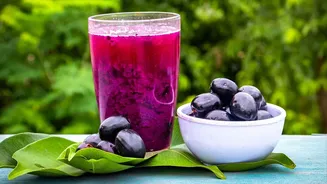
The arrival of jamun, with its deep purple hue, is a hallmark of the Indian monsoon. This fruit is celebrated not just for its unique sweet and tangy flavour but also for its impressive health benefits. Rich in Vitamin C and antioxidants like anthocyanins, jamun is a powerful immunity booster. Its antimicrobial properties make it particularly useful for preventing the common stomach infections of the season. Furthermore, jamun is packed with fibre, which aids digestion at a time when the body's digestive fire (or Agni) is considered weaker according to Ayurveda. It also contains iron and potassium, supporting overall health and hydration.
The Humble Powerhouse: Bhutta (Corn)
Nothing says monsoon in India quite like a roasted bhutta, seasoned with spices and lime. Beyond being a beloved snack, corn is a legitimate superfood for the rainy season. It is high in fibre, which helps maintain good gut health and aids digestion—a common concern during this time. Corn also provides essential nutrients like Vitamin B and folic acid. Its antioxidants, including lutein, are beneficial for overall health. Being low in calories and versatile, it can be enjoyed roasted, steamed, or added to soups and salads for a nutritious meal.
The Bitter Truth: Karela (Bitter Gourd)
While its bitter taste can be divisive, Karela is a vegetable that traditional wisdom champions during the monsoon for good reason. It is loaded with active plant compounds that boost immunity and help the body fight infections. Traditionally, bitter foods are consumed during the rains to support liver function and protect against skin ailments that can flare up in the humid weather. Bitter gourd is also a great source of Vitamin C and dietary fibre, which helps relieve indigestion. Cooking it in a curry or as a simple stir-fry can help balance its bitterness while delivering its potent health benefits.
The Golden Healer: Turmeric (Haldi)
Turmeric is the cornerstone of the Indian masala dabba and a potent medicinal spice. During the monsoon, its role as a natural immunity booster becomes paramount. The active compound, curcumin, has powerful anti-inflammatory, antifungal, and antibacterial properties, making it an ideal defence against seasonal illnesses. A daily glass of warm haldi doodh (turmeric milk), with a pinch of black pepper to increase curcumin absorption, is a traditional remedy for preventing colds and soothing body aches. Adding a generous pinch of turmeric to all cooked foods like dals and vegetables ensures you get a consistent dose of this golden healer.
The Comforting Classic: Moong Dal
During the monsoon, Ayurveda advises eating foods that are light and easy to digest to protect the weakened digestive system. Moong dal fits this description perfectly. It is one of the most easily digestible lentils, providing high-quality protein without taxing the gut. A warm bowl of moong dal soup or a simple khichdi made with rice and moong dal is considered the quintessential comfort food for the rainy season. These dishes are not only nourishing and light but also help keep the body warm and fortified against illness.