







The Festive Feast vs. The Strict Diet
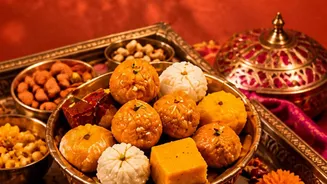
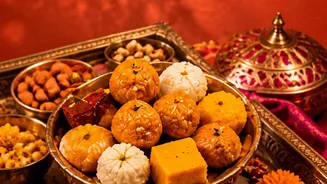
In India, festivals are synonymous with food. It is an expression of love, culture, and togetherness. Resisting a plate of homemade sweets or a second helping of a special biryani isn't just a personal battle; it's a social one. Strict diets create a sharp
conflict with these cultural norms. Research shows that food restrictions can increase feelings of loneliness and social isolation by preventing us from bonding with others over shared meals. When you're the only one saying 'no' at a family gathering, you're not just refusing food; you're stepping away from a shared experience. This social pressure, combined with the sheer availability of tempting treats, makes restriction feel like a punishment rather than a healthy choice.
The All-or-Nothing Psychological Trap
Strict dieting often relies on an 'all-or-nothing' mindset. You're either 'on' the diet or 'off' it. During festive months, this binary approach almost guarantees failure. When you inevitably indulge in one 'forbidden' food, the psychological dam breaks. This is often followed by a spiral of guilt and what experts call counter-regulatory eating, or the 'what-the-hell effect', where one small slip-up leads to abandoning all rules entirely. Furthermore, severely restricting calories can backfire. Your body may interpret drastic dieting as a state of starvation, slowing your metabolism to conserve energy. When you eventually return to normal eating, you might gain weight even more easily. This yo-yo effect is both physically and mentally draining.
Introducing Balanced Movement for Stability
Instead of focusing on restriction, a more sustainable approach is to shift your focus to 'balanced movement'. This isn't about punishing workouts to 'earn' your food. Rather, it's about integrating consistent, enjoyable physical activity into your life to provide stability. Balanced movement prioritises consistency over intensity. The American Heart Association notes that a healthy routine should ideally include a mix of endurance, strength, flexibility, and balance exercises. The goal during a busy festive period isn't to set personal bests at the gym, but to keep your body moving regularly. This helps manage weight, improves mood, and provides a sense of control and well-being when your eating patterns are less predictable.
What Does Balanced Movement Look Like?
Balanced movement is adaptable and should fit into your life, not the other way around. During the festive rush, it's about finding pockets of activity. A brisk 30-minute walk in the morning is a great example of moderate-intensity exercise that can keep your metabolism active. Bodyweight exercises like squats, planks, and crunches can be done at home in just 15-20 minutes, requiring no equipment. You can even turn festive activities into movement. Instead of sitting for hours, put on some music and have a dance session with your family—it's a fantastic full-body workout that feels like a celebration. Even helping with cleaning and decorating adds to your daily activity level. The key is to move your body in ways that feel good and reduce stress, not add to it.
Finding Your Festive Rhythm
The aim is to find a middle ground where you can enjoy the special foods of the season without guilt, balanced by mindful movement. Plan ahead. If you know you have a big feast in the evening, try to get a walk or a short home workout in earlier in the day. Stay hydrated, as thirst is often mistaken for hunger. At parties, control your portions by using a smaller plate, and try to fill it with healthier options like salads and grilled snacks before you reach for the richer dishes. Most importantly, be kind to yourself. One indulgent meal or even a few days of feasting will not derail your long-term health. The festive season is temporary. The goal is to enjoy it, stay active where you can, and then gently return to your regular routine without the need for extreme 'detoxes' or self-criticism.