




Why the Sudden Focus on Fiber?
For years, convenience often meant refined flours and polished grains. But a national health awakening is shifting the focus back to what’s inside our food. Dietary fiber, the humble carbohydrate that our body can't digest, has become the new hero. Why?
Because it’s a powerhouse for our well-being. A high-fiber diet is scientifically linked to better gut health, stable blood sugar levels, lower cholesterol, and effective weight management. In a country grappling with rising rates of diabetes and heart disease, this shift isn't just a trend; it's a necessary nutritional correction. The post-pandemic era has amplified this, with a renewed emphasis on immunity and preventative healthcare, pushing people to seek out foods that nourish and protect.
Back to Our Roots: The Millet Revolution
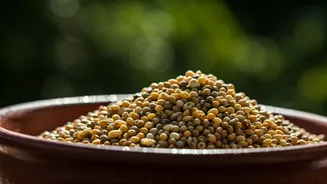
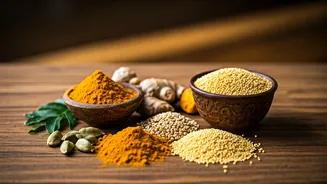
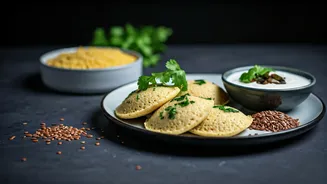
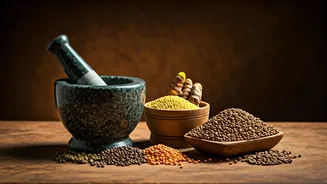
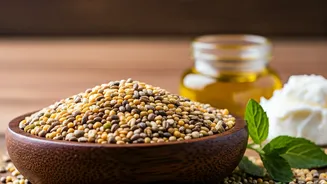
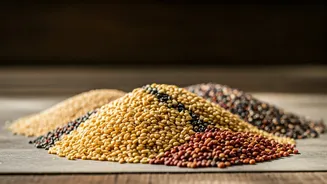
The most exciting part of this trend is that it isn't about importing expensive Western superfoods. Instead, it’s a celebration of what our grandparents always knew. The spotlight is firmly on millets—jowar, bajra, ragi, and other 'coarse grains' that were once staples across the country before being overshadowed by wheat and rice. These ancient grains are not only packed with fiber but are also rich in protein, vitamins, and minerals. They are naturally gluten-free and have a low glycemic index, making them ideal for modern lifestyles. The revival is so significant that the Indian government and the UN have championed millets, reminding us that the solution to many modern health problems lies in our own traditional food basket. From ragi rotis to jowar bhakris, these foods are making a powerful comeback in urban kitchens.
Simple Swaps for a Fiber-Rich Day
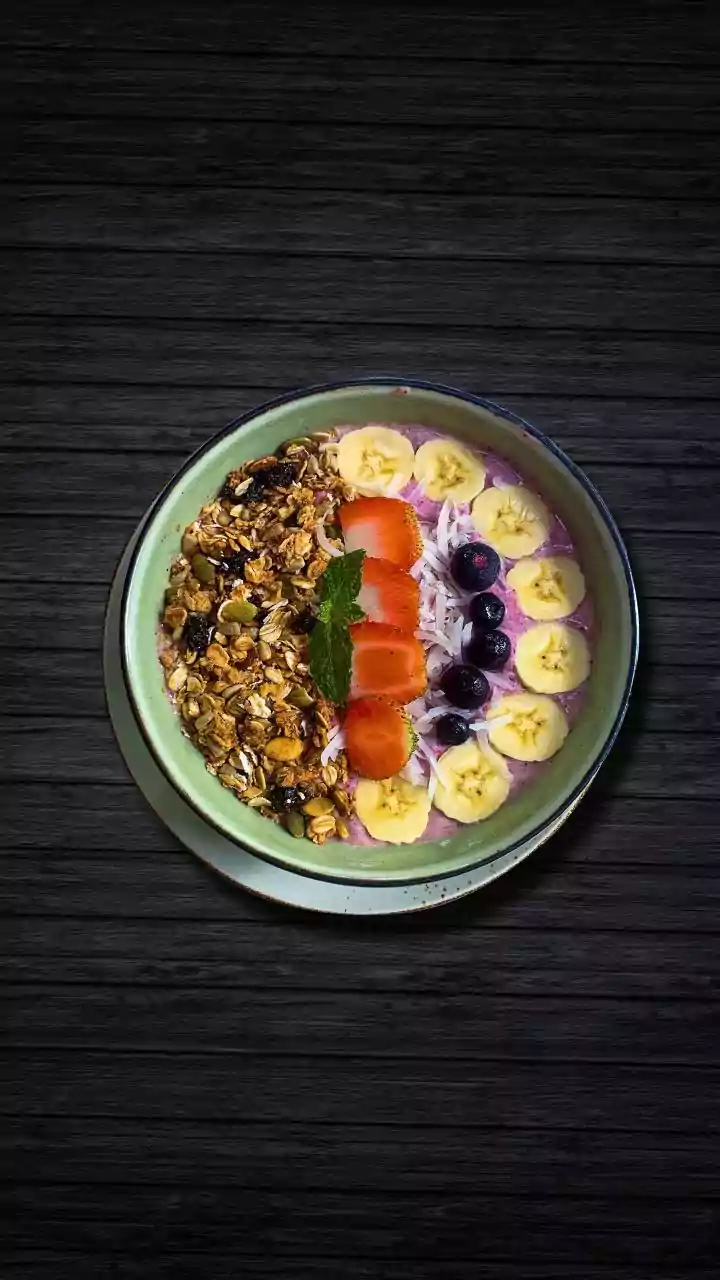
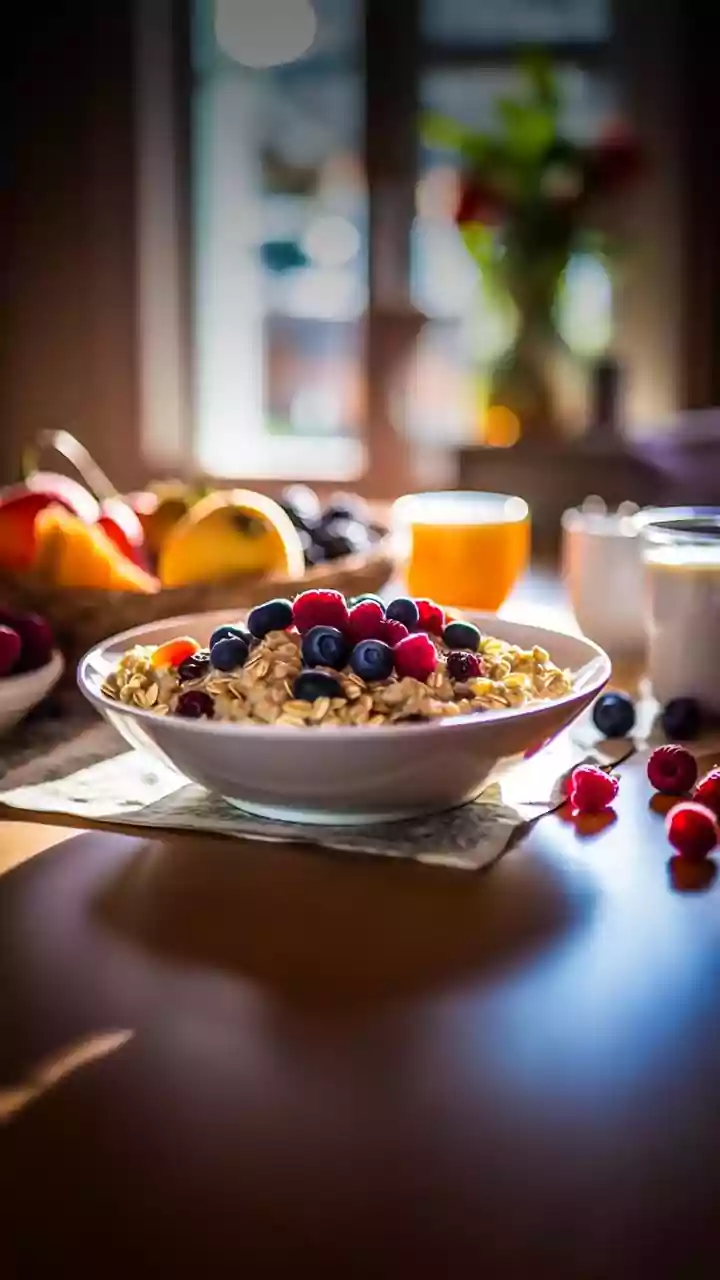
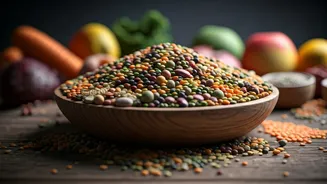
Adopting a high-fiber diet doesn't require a complete overhaul of your kitchen. It's about making small, intelligent swaps. Start your morning with a bowl of oats or a millet-based porridge instead of a processed cereal. For lunch and dinner, try replacing white rice with brown rice, quinoa, or a delicious millet khichdi a few times a week. When making rotis, use whole wheat flour (atta) or, even better, a multi-grain flour that includes jowar, bajra, or ragi. Another easy win is to incorporate more legumes. Add a handful of lentils (dal) or chickpeas (chana) to your vegetable preparations or salads. These small changes compound over time, significantly boosting your daily fiber intake without sacrificing the flavours you love.
Snack Smart and Read the Label
Snack time is often where our dietary goals go astray. Instead of reaching for fried snacks or sugary biscuits, opt for a piece of fruit, a handful of nuts, or some roasted chickpeas. Fruits like guava, apples, and pears are excellent sources of fiber. Even something as simple as sabja (basil seeds) soaked in water or added to drinks can provide a fiber boost. As the food industry catches on to this trend, more 'high-fiber' packaged products are appearing on shelves. While convenient, it's crucial to be a discerning consumer. Always read the nutrition label. Look for products where whole grains are listed as the first ingredient and be wary of hidden sugars and sodium that can negate the health benefits.
The Gut-Brain Connection
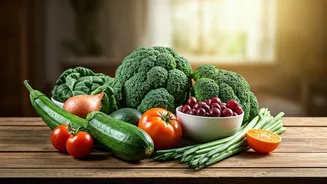
The conversation around fiber is also expanding beyond just digestive health. We're now understanding the profound link between our gut and our brain. A healthy gut microbiome, which thrives on dietary fiber, is linked to improved mood, reduced inflammation, and better cognitive function. This holistic view of health is a key driver of the fiber trend. People aren't just eating for physical satiety; they're eating for mental clarity and overall vitality. By feeding the good bacteria in our gut with fiber from diverse plant sources—vegetables, fruits, legumes, and whole grains—we are investing in both our physical and mental well-being for the long term.