




The Dopamine Trap of the Digital Postcard
Let’s be honest. The desire to share a stunning travel photo is completely natural. It’s a digital postcard sent to everyone we know, a declaration that says, “I was here, and it was beautiful.” The rush of likes and comments provides a quick, satisfying
hit of dopamine, a small reward that validates our experience. In an era of curated lives, a well-shot, cleverly-captioned Instagram post has become a form of social currency. It proves we are living interesting, adventurous lives. But a subtle shift has occurred. For many, the trip is no longer the main event; the content is. The holiday becomes a backdrop for a photoshoot. Hikes are planned around the 'golden hour' for lighting, not for the joy of the trail. The serene moment by a mountain stream is interrupted by the quest for the perfect angle, the right filter, and the wittiest caption. The experience becomes secondary to its documentation, and we end up performing for an audience instead of simply being present.
When the Feed Becomes the Focus
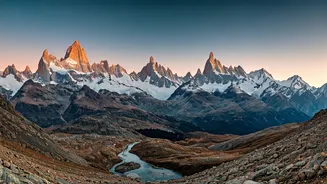
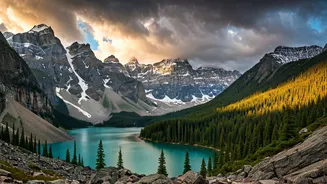
This performance comes at a cost. Instead of soaking in the panoramic view from a Himalayan peak, we’re squinting at a tiny screen, editing colours and cropping out stray tourists. The anxiety of 'getting the shot' can overshadow the peace we came to find. We start viewing majestic landscapes not as sources of awe, but as potential content. Did the photo do it justice? Will people be impressed? This internal monologue is the very definition of the noise we’re trying to escape.
Furthermore, this constant broadcasting detaches us from our own feelings. We’re so busy narrating the experience for others that we forget to have it ourselves. The joy becomes less about the crisp mountain air filling our lungs and more about the number of hearts on a post. The memory isn’t the silence of the valley at dawn; it’s the relief of finding a spot with good enough signal to upload a story.
The Antidote: Real Air, Real Silence
Now, imagine a different kind of trip. One where the phone stays in the bag for hours at a time. The goal isn’t to capture the mountain, but to let the mountain capture you. The first thing you’ll notice is the sheer sensory richness of it all. The scent of pine needles after a light rain in the Western Ghats. The sound of your own breathing as you climb a gentle slope. The feeling of the sun on your face, unfiltered by a screen. The taste of hot chai from a roadside stall, its warmth seeping into you after a chilly walk.
This is a state of 'being' rather than 'doing'. In the mountains, away from the digital chatter, your mind can finally quieten down. There are no notifications to check, no trends to keep up with. There is only the vast, humbling presence of nature. This kind of experience offers a deeper, more lasting form of satisfaction than any number of likes ever could. It’s a reset for the soul, not just a refresh for your social media feed.
The Restorative Power of Awe
Science backs this up. Psychologists talk about the experience of 'awe'—that feeling you get when confronted by something vast and magnificent, like a star-filled sky or a towering mountain range. Studies have shown that experiencing awe can decrease stress, increase feelings of generosity, and make our own day-to-day problems feel smaller and more manageable. It shifts our perspective from our own ego to the world around us.
In contrast, the curated perfection of social media often does the opposite. It can fuel social comparison and FOMO (Fear Of Missing Out), making us feel like our own lives are inadequate. The mountains ask for nothing but your presence. They don’t care what you’re wearing or how many followers you have. Their quiet grandeur offers a powerful reminder that there is a world beyond the digital bubble, a world that is real, raw, and deeply restorative.