




The Social Media Illusion
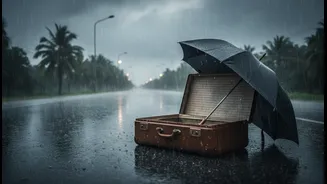
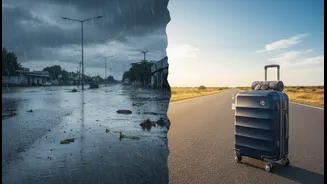
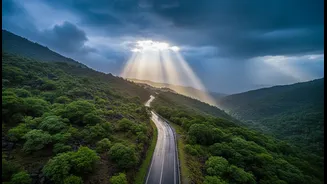
Social media platforms are flooded with videos of serene, rain-soaked destinations, particularly during the monsoon. These clips, often set to calming music, depict a romantic version of travel that can be incredibly alluring. Influencers and travelers
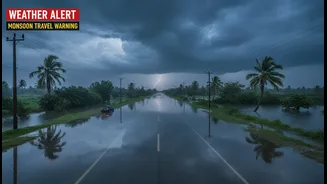
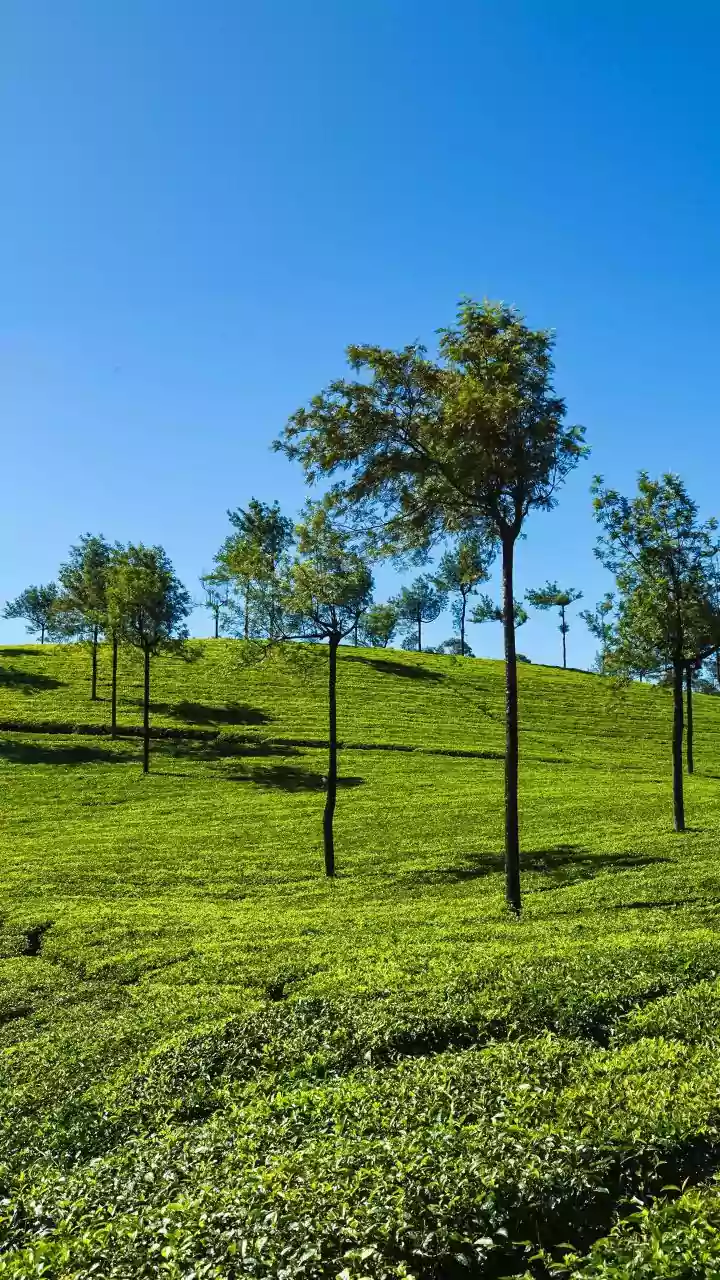
showcase lush greenery and dramatic, cloudy skies, making places in Himachal Pradesh, Uttarakhand, and Goa seem like paradise. However, these posts rarely show the full picture. They don't show the hours-long traffic jams caused by landslides, the hotels flooded with muddy water, or tourists stranded without power or connectivity for days. Many of these videos are not even filmed in real-time, meaning the perfect weather you see might have been captured days or weeks before a severe weather warning was issued.
Monsoon’s Dangerous Reality
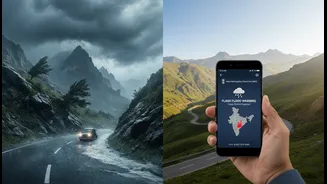
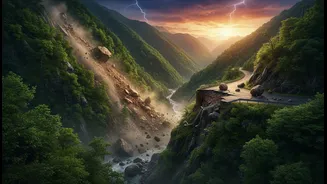
The reality of India's monsoon, especially in hilly and coastal regions, can be harsh and unforgiving. The same rains that create beautiful landscapes also lead to very real dangers. Flash floods can turn gentle streams into raging torrents within minutes, sweeping away everything in their path. Saturated soil on mountain slopes gives way to devastating landslides, which block major highways and can isolate entire towns. In recent years, incidents of tourists getting caught in such situations after ignoring warnings have become tragically common. Authorities in states like Himachal Pradesh and Uttarakhand regularly issue alerts advising against travel during periods of heavy rain, yet the lure of a perfect selfie or video often leads people into hazardous situations.
IMD: Your Most Reliable Travel Partner
This is where the India Meteorological Department (IMD) becomes your most essential travel tool. The IMD is the official government agency responsible for monitoring weather patterns and issuing timely, scientific forecasts and warnings. Instead of relying on a subjective travel video, you can get objective, data-driven information about your destination. The IMD provides detailed bulletins, including district-wise warnings, rainfall predictions, and alerts for severe weather like thunderstorms and heavy downpours. These aren't generic forecasts; they are specific and designed for public safety. Following IMD guidance can be the difference between a memorable vacation and a travel nightmare.
How to Use IMD's Colour-Coded Alerts
The IMD uses a simple, colour-coded system to make its warnings easy to understand for everyone.
Green (All is well): No severe weather is expected. This is the safest time to travel.
Yellow (Be Aware): Keep a watch on the weather. Conditions could change and lead to severe weather. It's a sign to be cautious and stay updated.
Orange (Be Prepared): This is a serious alert. Severe weather is highly likely, which could disrupt travel, power, and daily life. You should reconsider your travel plans and be prepared for adverse conditions.
Red (Take Action): This is the highest level of warning. Extremely severe weather is expected, posing a significant threat to life and property. You should cancel or postpone your travel and take immediate action to stay safe.
Plan a Safer Monsoon Trip
Enjoying the monsoon doesn't mean you have to take unnecessary risks. By integrating IMD's resources into your planning, you can travel smarter and safer.
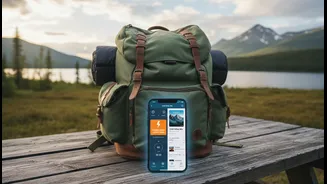
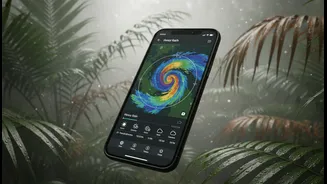
Download the 'Mausam' App: The IMD's official app provides location-specific forecasts, real-time alerts, and radar imagery directly on your phone.
Check Before You Book: Before finalising your trip, check the IMD website (mausam.imd.gov.in) for long-range forecasts and any active warnings for your destination.
Stay Flexible: If an orange or red alert is issued, be prepared to change your itinerary or even cancel your trip. The risk is not worth it.
Listen to Local Authorities: Always follow the advice given by local police and disaster management officials on the ground. They have the most current information about road conditions and safety risks.
Pack Smart: Carry essentials like a power bank, first-aid kit, extra food, and water, especially if you are travelling to remote or hilly areas.