


A Sweet Revolution
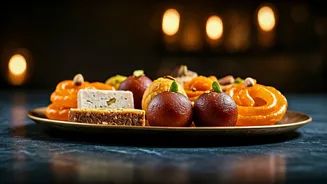
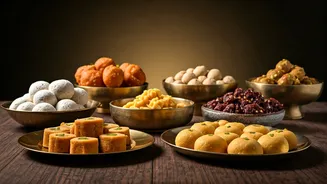
For generations, Indian sweets have been synonymous with festivals, family, and pure indulgence. [3] The local halwai, with vats of glistening jalebis and mountains of motichoor ladoos, was the epicenter of every celebration. [2] But today, that landscape
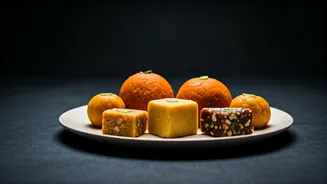
is changing. A new generation of artisanal mithai-makers is transforming these beloved classics into gourmet creations, propelling a centuries-old tradition into the 21st century. [4, 9] This isn't about replacing the old, but rather evolving it for a new era, where consumers seek both comfort and novelty. [12] This movement is proving that tradition doesn't survive by staying the same—it survives by adapting. [9]
Not Your Grandfather’s Ladoo
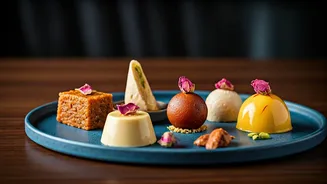
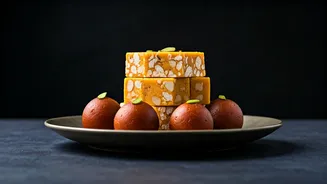
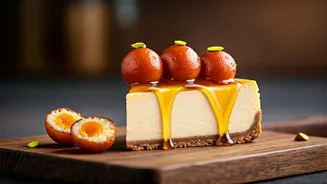
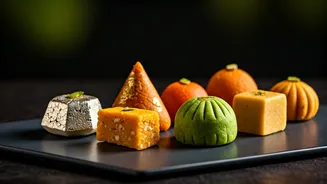
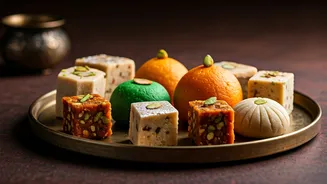
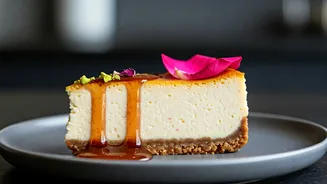
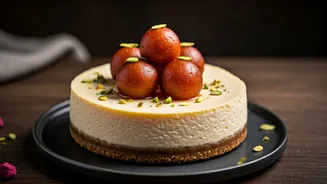
The flavours at the heart of this reboot are both inventive and surprising. Think barfis infused with coffee or berries, ladoos with hints of lavender, and ghevar tarts filled with rasmalai-flavoured cream. [2, 6, 21] Brands like Bombay Sweet Shop, a pioneer in this space, are celebrated for playful creations like Rasgulla Tiramisu and Gulab Jamun Churros. [14, 22] Others, like Nihira, offer boozy twists such as wine-infused motichoor ladoos, while Arq is known for artistic creations like caramel pedha and besan truffles. [10, 24] These chefs and brands are marrying time-honoured Indian techniques with Western pastry flavours and global ingredients, from matcha and Biscoff to salted caramel and French wafers. [4, 9, 24]
A Healthier Indulgence
A significant driver of this trend is a growing health consciousness among urban consumers. [3, 10] For years, traditional mithai carried the baggage of excess sugar and ghee. [3] The new-age mithai often addresses this by using healthier alternatives. Many brands are replacing refined sugar with natural sweeteners like jaggery, dates, and stevia. [3, 17] You'll find sweets made with nutrient-dense ingredients like millets, quinoa, chia seeds, and premium nuts such as hazelnuts and macadamias. [3, 4] Some brands, like Healthy Mithai Co., specialize in sugar-free options for people with diabetes, while others focus on protein-rich laddoos and gluten-free barfis. [3, 19] This allows indulgence to feel a little less guilty and more aligned with a modern, wellness-oriented lifestyle. [15]
The Art of Presentation
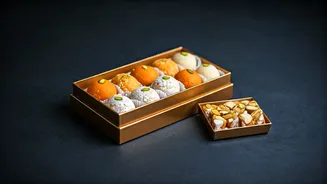
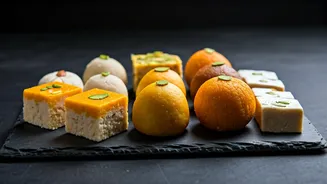
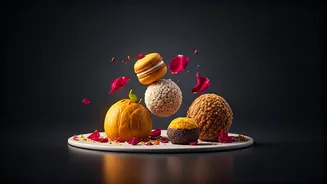
This modern makeover extends well beyond the ingredients. Presentation, packaging, and branding play a crucial role in elevating mithai from a simple sweet to a luxury product. [11] Gone are the simple cardboard boxes. Today's artisanal sweets are presented in beautifully designed, often plastic-free packaging that makes them ideal for gifting. [10, 11] Brands like Gur Chini and Khoya have turned their packaging into a core part of the luxury experience. [9, 16] The sweets themselves are often crafted to look like works of art—shaped into truffles, bonbons, or delicate morsels that are as pleasing to the eye as they are to the palate. [10, 21] This emphasis on aesthetics is transforming gifting culture, positioning mithai as a sophisticated alternative to imported chocolates. [10]
Preserving Legacy Through Innovation
At its heart, this stylish reboot is a celebration of Indian culinary heritage. [18] Chefs like Girish Nayak of Bombay Sweet Shop travel across the country to learn from traditional halwais, understanding the craft before reimagining it. [23] This new wave is not about erasing the past but about creating a new chapter that resonates with a younger, globally-exposed generation. [5, 11] By infusing traditional recipes with playfulness, contemporary flavours, and a focus on quality, these modern mithaiwalas are ensuring that India’s rich sweet-making legacy continues to thrive. [5, 12] They are adding Indian mithai to the global dessert menu, proving that a 5,000-year-old tradition still has plenty of new stories to tell. [6, 9]