






The High Cost of Sitting Still
The modern office is built for efficiency, but it has come at a cost to our bodies. The average office worker can spend around 75% of their workday sitting, which adds up to thousands of hours a year. This prolonged sedentary behaviour is linked to a host
of health concerns, including an increased risk of cardiovascular disease, type 2 diabetes, certain cancers, and musculoskeletal disorders. Many office workers report feeling tired, less productive, and generally unhealthy from long periods of sitting. Critically, research shows that a workout session before or after office hours doesn't fully negate the health risks associated with sitting all day. The problem isn't just a lack of exercise; it's the continuous, uninterrupted time spent in a chair.
Why Five Minutes is a Game-Changer
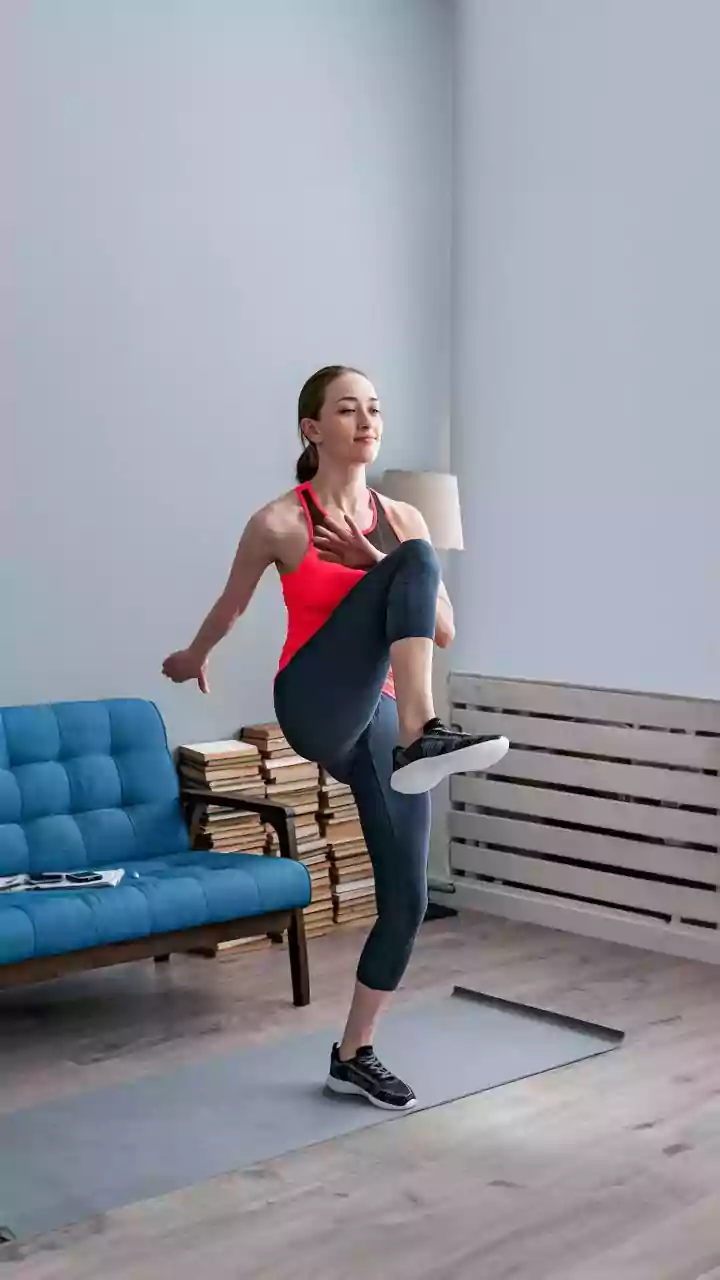
The idea that you need a 30 or 60-minute workout to see benefits can be daunting. This is where the concept of "exercise snacking" comes in. Research shows that short, frequent bursts of activity can be remarkably effective. A recent study published in the British Journal of Sports Medicine found that a five-minute walking break every hour was the sweet spot for improving mood, reducing fatigue, and boosting productivity without disrupting work. These micro-breaks, or movement snacks, improve blood circulation, help regulate blood sugar, and can enhance alertness and cognitive function. The goal isn't to get breathless, but to simply interrupt long periods of sitting, which helps reset your metabolism and posture.
Your Five-Minute Movement Toolkit
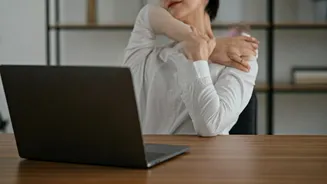
You don't need gym clothes or special equipment to get started. These simple movements can be done right at your workstation. Chair Squats: Stand up from your chair and sit back down, but stop just before you touch the seat. Hold for a moment and then stand back up. Repeat for one minute. This strengthens your legs and glutes. Desk Push-ups: Place your hands on the edge of a sturdy desk, walk your feet back, and perform a push-up. This is a great way to engage your chest, shoulders, and arms. Torso Twists: While seated, twist your upper body to one side, using the armrest or back of the chair for a gentle stretch. Hold for 20-30 seconds and repeat on the other side. This helps with spinal mobility. Neck and Shoulder Rolls: Gently roll your neck from side to side and your shoulders forwards and backwards to release tension from typing and looking at a screen. * A Simple Walk: The most effective tool of all. Get up and walk to the water cooler, do a lap around the office floor, or step outside for a few moments of fresh air.
More Than Just Physical
A five-minute break isn't just for your body; it's crucial for your mind, too. Staring at a screen for hours leads to decision fatigue and reduced concentration. Stepping away, even briefly, helps replenish your mental resources. Use your five minutes for something other than physical movement. Try a short guided meditation using an app, practice deep breathing exercises, or simply look out a window and let your mind wander. These mental breaks can reduce stress, improve your mood by releasing endorphins, and help you return to your tasks with a sharper focus. The key is to change your environment and give your brain a chance to switch gears.
How to Make It a Habit
Knowing you should take breaks and actually taking them are two different things. The key to success is integration, not just intention. Start by setting a recurring timer or calendar reminder to go off every hour. Link your new habit to an existing one; for example, decide to take a five-minute walk after every long phone call or after you send a major email. If you're worried about how it looks, start small with micro-breaks, like simply standing up to stretch. You can also build support by encouraging colleagues to join you, turning a solo break into a quick, social walk. The goal is to make these breaks a non-negotiable part of your routine, just like checking your email—but far healthier.