





What Exactly Are Making Charges?
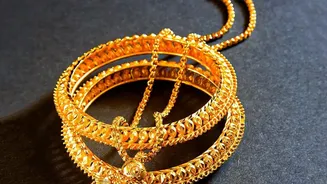
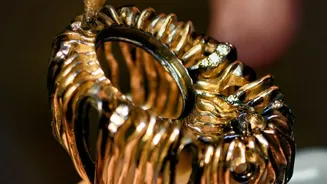
Making charges are the costs associated with turning raw gold into the beautiful piece of jewellery you want to buy. This charge covers the labour of the artisan, the complexity of the design, the technology used, and the overall craftsmanship required
to create the ornament. It is separate from the price of the gold itself, which is based on weight, purity, and the day's market rate. Think of it as the fee for the skill and effort that transforms a simple block of metal into a work of art. These charges are not standardised and can vary significantly from one jeweller to another.
The Two Main Calculation Methods
Jewellers typically calculate making charges in one of two ways, and understanding the difference is key to knowing what you're paying for. The first method is a percentage of the gold's value. For instance, if the making charge is 10% and the gold in your ornament is worth ₹50,000, the charge will be ₹5,000. This percentage can range from as low as 5% for simple items to over 25% for intricate, handcrafted pieces. The second method is a fixed or flat rate per gram of gold. If the rate is ₹500 per gram and your jewellery weighs 10 grams, the making charge will be a straightforward ₹5,000. This method is often seen with machine-made items like simple chains or bands.
Why Do Charges Vary So Much?
The vast difference in making charges often comes down to one major factor: design complexity. A simple, machine-made bangle requires far less labour and time than an intricate, handmade necklace with detailed filigree work. Handcrafted jewellery involves a higher level of skill and hours of artisan labour, which naturally increases the cost. Brand reputation also plays a role; well-known, established brands may have higher overheads and can command higher making charges compared to local, independent jewellers. Furthermore, some jewellers might bundle 'wastage' — the small amount of gold lost during the manufacturing process — into the making charges, which can also affect the final price.
Spotting an Unreasonable Charge
While there's no official cap, making charges for gold jewellery in India generally range from 3% to 30% of the gold's value. Simple machine-made designs should be at the lower end of this spectrum, typically between 8% and 15%. If you're being quoted upwards of 20-25%, it should be for a piece that is visibly complex, exceptionally detailed, or a unique handcrafted design. The best way to gauge reasonableness is to compare. Visit a few different jewellers and ask for the making charges on similar pieces. This will give you a benchmark for the type of jewellery you're interested in and help you spot an outlier that is excessively high.
Tips for Negotiation and Savings
Negotiation is possible, especially at independent jewellery stores. Many jewellers are open to discussion, particularly for significant purchases. Always ask for a detailed price breakdown that separates the gold cost, weight, making charges, and GST. Sometimes, what is presented as a combined 'wastage and making charge' can be separated, giving you a clearer picture of the labour cost, which is the more negotiable part. Also, keep an eye out for festive seasons or special promotions when many jewellers offer discounts or even waivers on making charges for certain items. Buying during these times can lead to substantial savings.
Hallmarking Guarantees Purity, Not Fair Charges
A common misconception is that hallmarking has something to do with making charges. The Bureau of Indian Standards (BIS) hallmark on a piece of jewellery is a guarantee of its purity and authenticity — it confirms that the gold is of the stated karat (e.g., 22K or 18K). However, BIS hallmarking does not regulate or certify the making charges applied by the jeweller. While you should always insist on hallmarked jewellery to ensure you are getting the quality of gold you paid for, you must assess the reasonableness of the making charges separately.