



The Science of a Breathable Material
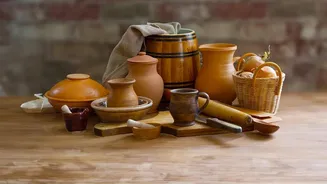
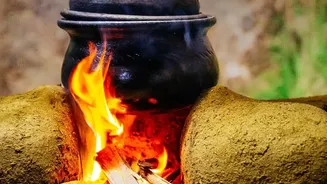
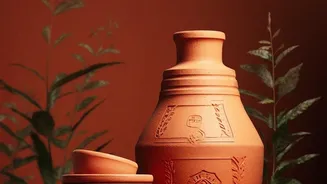
Unlike metal or glass, unglazed clay is naturally porous. This means it has microscopic holes that allow for the circulation of steam and heat. When you cook, the clay pot breathes, creating a unique cooking environment. This porosity allows for a slow
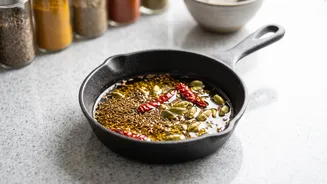
and even distribution of heat, which is fundamentally different from the rapid, sometimes harsh, heat of a metal pan. This gentle heating process is the first secret to unlocking nuanced flavours. Instead of being scorched by high heat, spices are coaxed into releasing their aromatic compounds gradually.
A Natural Steam Engine for Flavour
The porous nature of clay does more than just distribute heat; it manages moisture. As the pot heats up, water absorbed by the clay turns to steam, which circulates inside the vessel. This creates a constant, gentle basting effect, cooking ingredients in their own juices. This trapped steam ensures that volatile aromatic compounds from spices like cardamom, cloves, and cinnamon don't escape. Instead, they are infused back into the dish, creating a depth of flavour that is difficult to achieve in a standard pot where steam evaporates quickly.
Gentle Heat Unlocks Complexity
Metal cookware conducts heat very quickly, which can sometimes cause spices to burn and become bitter. Clay, on the other hand, is an insulator. It heats up slowly and retains warmth for a long time, providing a consistent and gentle cooking temperature. This slow, steady heat is ideal for breaking down the complex cellular structures of whole and ground spices. It gives the various chemical compounds within the spices enough time to interact and meld together, resulting in a more layered and sophisticated flavour profile rather than a sharp, one-dimensional taste.
Why You Need Less Oil
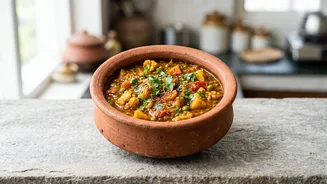
One of the most significant benefits of clay pot cooking is the reduced need for oil. The self-basting environment created by the circulating steam keeps food incredibly moist and prevents it from sticking to the pot. Because ingredients are less likely to dry out or burn, there is no need to add excessive amounts of oil or ghee to lubricate the pan. The natural fats within the ingredients, combined with the trapped moisture, are often enough to create a rich, succulent dish. This makes it a healthier way to prepare traditionally rich curries and stews without sacrificing texture or taste.
An Earthy Touch from the Pot Itself
Beyond the cooking mechanics, the clay itself contributes to the final taste. Clay is an alkaline material, which can help neutralize the acidity of certain ingredients like tomatoes or tamarind, leading to a more balanced and mellow flavour profile. Many connoisseurs also believe that the mineral composition of the clay imparts a subtle, unique earthiness to the food, an elemental flavour that connects the dish to its traditional roots. This is why a dal or biryani cooked in a handi often possesses a character that simply can't be replicated in stainless steel.