




First Steps: Visa and Budgeting
Getting to Sri Lanka is easier than ever for Indian travellers. As of mid-2026, the Electronic Travel Authorization (ETA) for tourists is free for Indian passport holders. While the fee is waived, you must still apply for and receive the ETA online before
you travel; it is not available on arrival. This free ETA allows for a 30-day stay with double entry. For budgeting, a backpacker can comfortably manage on approximately ₹2,500 to ₹4,000 per day. This covers basic guesthouse accommodation, local food, and public transport. The biggest expenses to plan for separately are the entrance fees for major heritage sites, which are priced in US dollars and can add up quickly.
Getting There: Affordable Flights
Sri Lanka is just a short flight away, with several budget-friendly options from South India. Airlines offer direct routes from cities like Chennai, Bengaluru, and Kochi to Colombo's Bandaranaike International Airport (BIA). If booked in advance, round-trip fares can often be found for between ₹12,000 and ₹18,000. The flight from Chennai is particularly short, taking just over an hour, making it an incredibly accessible international getaway.
The Core Itinerary: The Cultural Triangle
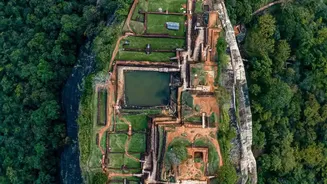
The heart of Sri Lanka's heritage is the Cultural Triangle, a circuit connecting several UNESCO World Heritage Sites. A typical route includes the ancient capitals of Anuradhapura and Polonnaruwa, the iconic Sigiriya Rock Fortress, and the Dambulla Cave Temples. Many backpackers choose to base themselves in central, budget-friendly towns like Dambulla or Habarana and take day trips to the surrounding sites. This minimizes the hassle of moving accommodation every day and allows for more focused exploration.
Navigating on a Budget: Trains and Buses
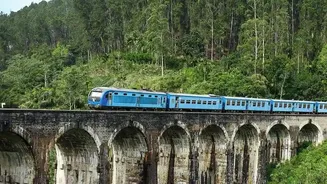
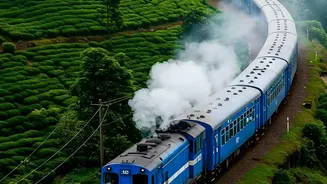
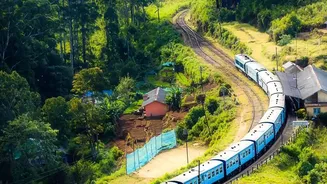
Sri Lanka’s public transport system is a backpacker's dream—extensive, incredibly cheap, and an experience in itself. Buses are the most common way to get around and connect almost every town. They are fast and frequent, though can be crowded. For more scenic journeys, especially through the hill country, the train is a must-do. The famous Kandy to Ella route is legendary, but even the trains connecting Colombo to the Cultural Triangle hubs are a great way to travel. Fares are very low, often just a few hundred rupees for a long journey.
Affordable Stays and Local Eats
Finding budget accommodation is simple. The tourist trail is lined with guesthouses and homestays offering clean, private rooms for ₹800–₹1,500 per night. For food, skip the tourist-centric restaurants and dive into local 'rice and curry' eateries. A hearty, delicious meal can cost as little as ₹300-₹400. Street food like kottu roti and string hoppers are not only budget-friendly but also a quintessential Sri Lankan experience.
Managing Heritage Site Fees
The main budget challenge for a heritage-focused trip is the entrance fees. As of 2026, expect to pay around USD $30-$35 for Sigiriya, and USD $25-$30 each for Anuradhapura and Polonnaruwa. The Dambulla Cave Temple is more affordable at around USD $10. To manage these costs, consider alternating big-ticket sites with free local experiences. For example, instead of only climbing Sigiriya, you can also hike the nearby Pidurangala Rock for a fraction of the cost, which offers a stunning view of Sigiriya itself. In Anuradhapura, while the main ancient city requires a ticket, several significant stupas and temples on the outskirts can be visited for free or a small donation.