


Understanding Plant-Based Iron
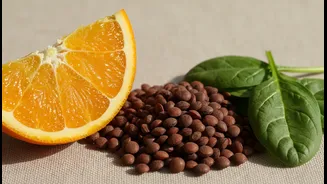
Iron from food comes in two forms: heme and non-heme. Heme iron, found in meat, poultry, and fish, is readily absorbed by the body. Non-heme iron, found in plant-based foods like lentils, beans, spinach, and fortified cereals, is the type vegetarians
rely on. The challenge is that non-heme iron is less easily absorbed by our bodies. This doesn't mean vegetarians are destined for deficiency; it simply means a smarter approach to meal planning is needed to unlock the iron available in these wholesome foods.
Your Best Friend: Vitamin C
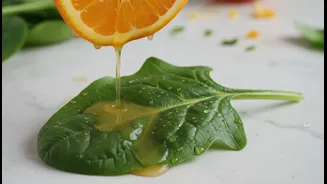
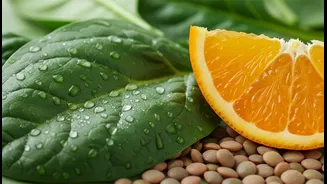
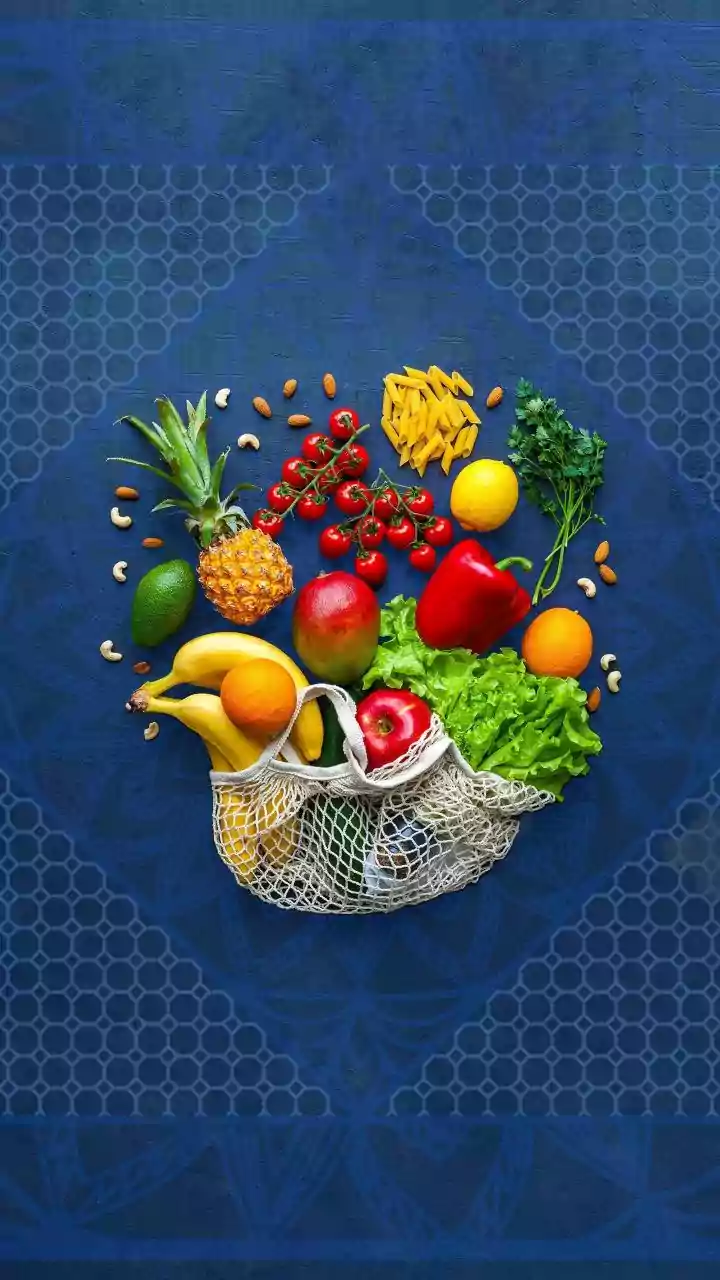
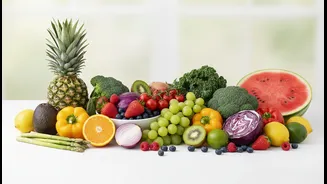
The single most effective way to enhance non-heme iron absorption is to pair it with Vitamin C. Vitamin C, or ascorbic acid, captures non-heme iron and transforms it into a form that your body can absorb much more easily. Studies have shown this combination can increase iron absorption significantly. Luckily, many delicious foods are packed with Vitamin C, including citrus fruits (like oranges and lemons), bell peppers, tomatoes, strawberries, broccoli, and amla.
Smart Pairings for Your Plate
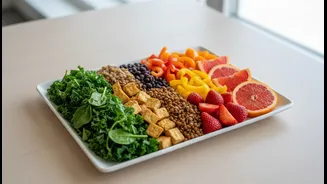
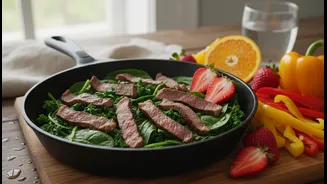
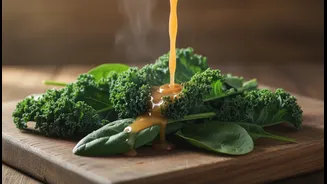
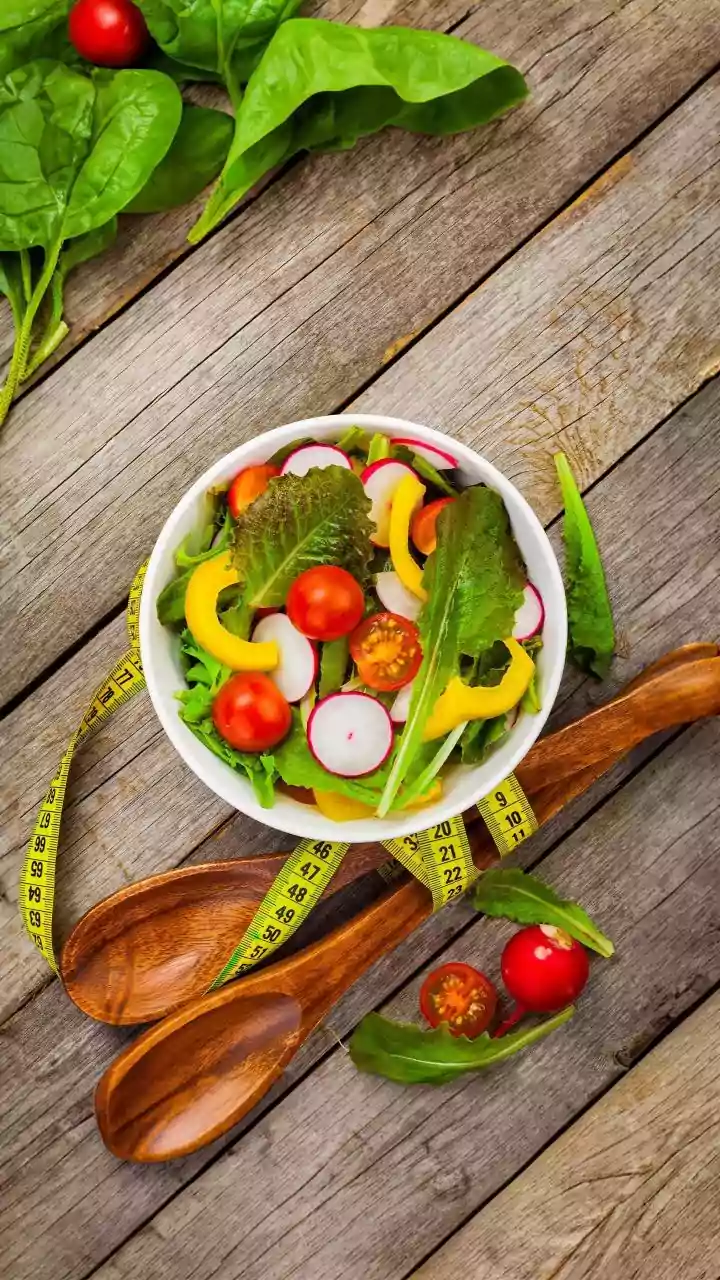
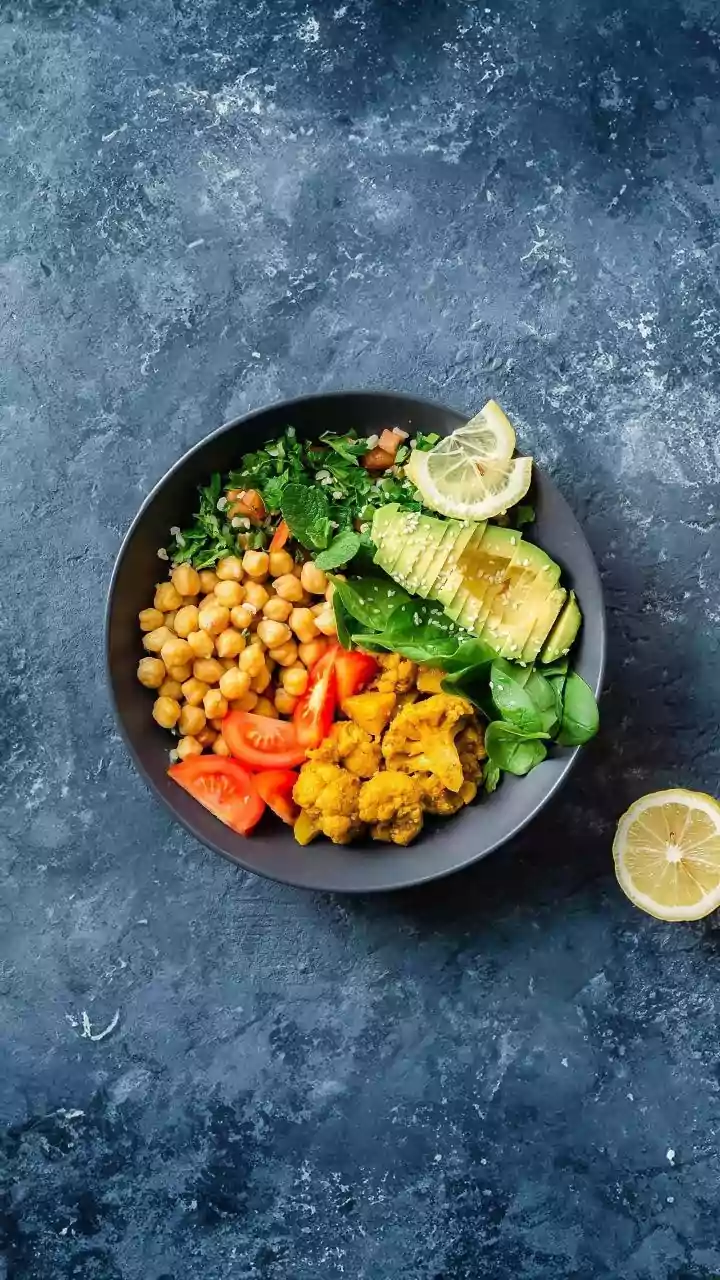
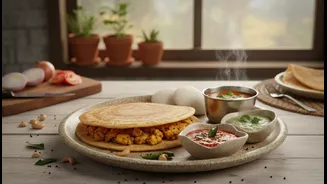
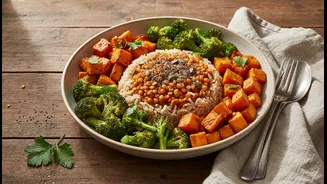
Putting this science into practice is simple and delicious. Think about adding a squeeze of lemon to your dal or spinach sabzi. Try a bowl of dal with a side of tomato and onion salad. A classic Indian thali often naturally combines these elements. Other powerful combinations include a chickpea curry (chana masala) made with a rich tomato base, or a tofu and broccoli stir-fry. For breakfast, consider having a bowl of iron-fortified oatmeal topped with strawberries or a glass of orange juice alongside. Even adding bell peppers to a lentil-based dish can make a big difference.
Beware of Iron Blockers
Just as some foods enhance iron absorption, others can hinder it. The main culprits are phytates and polyphenols. Phytates are found in whole grains, legumes, and seeds, but their inhibitory effect can be reduced by soaking, sprouting, or fermenting these foods. Polyphenols, including tannins, are abundant in tea and coffee. These compounds can reduce iron absorption by a large margin if consumed with meals. The practical advice is to avoid drinking tea or coffee with or immediately after your iron-rich meals; save them for in-between meal times. Calcium is another inhibitor, affecting both heme and non-heme iron. While you shouldn't avoid calcium-rich foods like dairy, it’s best to separate them from your main iron-focused meals when possible.
Top Vegetarian Iron Sources
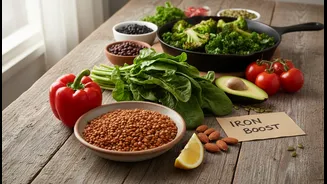
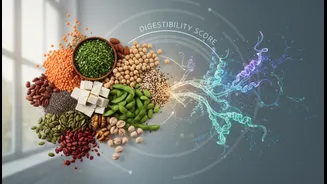
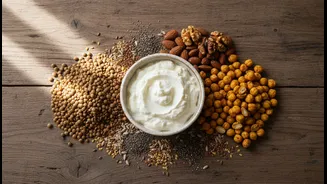
To build effective pairings, start with a strong iron base. India's vegetarian diet is rich with options. Lentils (dal), chickpeas (chana), and kidney beans (rajma) are fantastic, iron-packed staples. Leafy greens like spinach (palak) and moringa leaves are nutritional powerhouses. Don't overlook seeds like halim (garden cress), sesame, and pumpkin seeds, which are dense sources of iron. Millets, tofu, and even wholewheat chapatis contribute to your daily iron intake. By consciously including these foods and pairing them with a source of Vitamin C, you create a powerful strategy for maintaining healthy iron levels.