






Decoding the 'Blue' in Blue Bonds
Think of a blue bond as a specific type of green bond, but with a laser focus on water. When an entity, like a government or a company, issues a blue bond, it's essentially borrowing money from investors with a promise to use those funds exclusively for
projects that benefit oceans, seas, and freshwater resources. Investors lend the money and, in return, receive regular interest payments and get their principal amount back at maturity, just like a standard bond. The key difference is the designated use of the capital. Instead of funding a generic pool of activities, the proceeds are earmarked for ocean-friendly ventures. This mechanism was pioneered globally by Seychelles in 2018, which raised $15 million to expand marine protected areas and improve the sustainability of its fisheries.
Why India Needs Blue Bonds Now
With a coastline stretching over 7,500 kilometres and a maritime trade that accounts for 95% of its volume, India's economic destiny is intrinsically linked to its oceans. The 'blue economy'—encompassing everything from fisheries and shipping to coastal tourism and marine biotechnology—already contributes about 4% to the nation's GDP. However, this vital ecosystem faces immense pressure from pollution, overfishing, and the growing impacts of climate change, such as rising sea levels and coastal erosion. Traditional financing is often not enough to address these large-scale challenges. Blue bonds offer a strategic way to channel significant private and public capital directly into projects that can build a more resilient and sustainable blue economy, aligning economic growth with environmental preservation.
From Ports to Pollution: What Gets Funded?
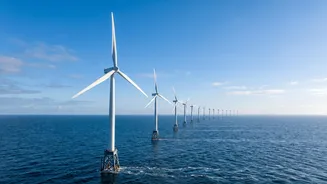
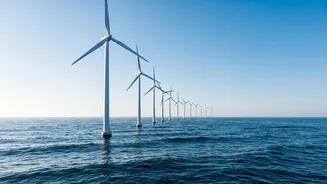
The potential applications for blue bond financing in India are vast. The Securities and Exchange Board of India (SEBI), which has been creating the regulatory framework for these instruments, has identified a wide range of eligible projects. Proceeds could be used to modernize ports and waterways, fund sustainable fishing practices, or restore critical coastal habitats like mangrove forests. Other key areas include tackling marine pollution, particularly plastic waste, developing offshore renewable energy sources like wind farms, and building climate-resilient coastal infrastructure. The upcoming issue from Vadodara Municipal Corporation, for example, plans to fund a water treatment plant and reservoir, showing that blue bonds can also finance essential urban water infrastructure beyond just marine projects.
The Investor's Angle
For investors, blue bonds present an opportunity to achieve both financial returns and a measurable environmental impact. As Environmental, Social, and Governance (ESG) criteria become more important in investment decisions, blue bonds offer a clear and targeted way to support sustainability. The market regulator, SEBI, has been working to align India's framework with international standards, which should boost investor confidence. The first planned issue in India is from Sagarmala Finance Corporation, which holds a strong AA+ credit rating. While these bonds are a new asset class, they are regulated under SEBI's existing framework for green debt securities, ensuring transparency and accountability through requirements like third-party verification and regular impact reporting.
What to Expect Next
India's entry into the blue bond market is imminent. Sagarmala Finance Corporation is planning an issue of up to ₹1,000 crore, while Vadodara Municipal Corporation is seeking approval for a ₹200 crore issue. These initial offerings will be a crucial test of investor appetite. The success of these bonds could pave the way for a new, powerful stream of financing dedicated to protecting and leveraging one of India's greatest natural assets. By creating a structured and regulated market for ocean-focused investment, India is not just tapping into a global financial trend but is also making a strategic investment in its own long-term economic and environmental security.