





The Beloved Tradition
For generations, rasam has been the go-to remedy in South Indian households at the first sign of a cold, cough, or fever. It’s more than just food; it’s a ritual, a warm hug in a bowl passed down as a trusted elixir. The belief is that this spicy, tangy
broth can fight off illness and speed up recovery. This tradition is so deeply ingrained that a meal for someone who is sick often feels incomplete without it. The sharp aroma of pepper, the tang of tamarind, and the warmth of the spices are intrinsically linked to a feeling of healing and comfort.
The Reality: Food Is Not Medicine
Here's the crucial distinction: the flu is a viral infection that cannot be 'cured' by any food, including rasam. While certain foods contain bioactive compounds that can support our immune system, they are not a substitute for medical treatment. No scientific evidence supports the claim that rasam or any similar dish can prevent or treat a viral infection like influenza. Viral illnesses require rest, hydration, and sometimes antiviral medications prescribed by a doctor. Relying solely on food as a treatment can be ineffective and delay proper medical care. The role of food is supportive; it provides energy and nutrients to help your body's immune system do its job, but it doesn't eradicate the virus itself.
So, Why Does Rasam Make You Feel Better?
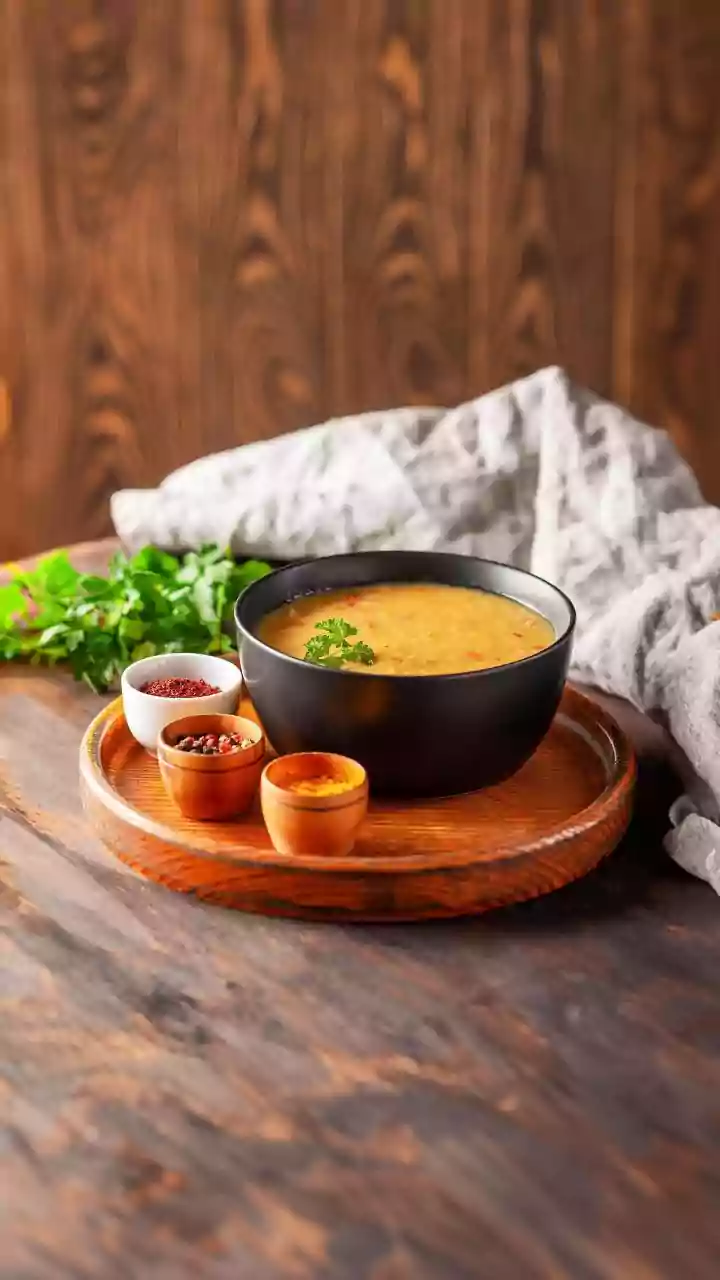
If it's not a cure, why does rasam have such a powerful effect on cold and flu symptoms? The magic lies in its ingredients, which offer potent symptom relief. The hot, steamy liquid itself is hydrating and can help soothe a sore throat and loosen congestion. But the real power comes from the spices. Black pepper, the star of pepper rasam, contains piperine, a compound known to have anti-inflammatory and antioxidant properties. It acts as a natural expectorant, helping to clear mucus from the respiratory tract. The heat from the pepper can also provide a warming sensation that feels incredibly comforting when you have the chills.
The Power of the Spice Blend
It isn't just about the pepper. Other key ingredients in rasam work together to ease your discomfort. Garlic has well-documented antimicrobial and immune-boosting properties. Turmeric contains curcumin, a powerful anti-inflammatory compound. Tamarind is rich in antioxidants and Vitamin C, which supports immune function. Cumin and asafoetida can aid digestion, which is often sluggish during illness. Essentially, rasam is a natural, edible form of symptom management. It helps clear your nose, soothe your throat, and provide essential nutrients in an easily digestible format, which is exactly what your body needs when it’s fighting an infection.
How to Best Enjoy Rasam When Sick
The best way to approach rasam during flu season is to embrace it as a powerful supportive food, not a standalone cure. Enjoy a hot bowl to stay hydrated, relieve congestion, and soothe your throat. Its liquid consistency makes it easy to consume even when you have a poor appetite. It provides a host of beneficial nutrients and compounds that can make the recovery process more comfortable. Pair it with light, easy-to-digest foods like steamed rice. Think of it as part of your comfort-and-care toolkit, which should also include plenty of rest, fluids, and consulting a doctor for a proper diagnosis and treatment plan, especially if your symptoms are severe or persistent.