





What is the Hidden Lotus Pose?
Gupta Padmasana, or the Hidden Lotus Pose, is an advanced yoga asana that builds upon the classic Padmasana (Lotus Pose). The name 'Gupta' translates to 'hidden' or 'concealed', as the pose involves lying prone with the legs in the lotus position, effectively
hiding the feet. Starting from a seated lotus, the practitioner carefully leans forward, stands on the knees, and then lowers the entire torso to rest on the floor. The final expression involves clasping the hands behind the back to open the chest and shoulders. It's a complex posture that demands significant flexibility in the hips, knees, ankles, and shoulders, along with core strength and balance.
The Holistic Benefits
Shilpa Shetty, who advocates for yoga as a complete lifestyle, often highlights its mental and physical rewards. The Hidden Lotus Pose is a prime example of an asana that offers comprehensive benefits. Physically, it provides a deep stretch for the hips, pelvis, knees, and ankles. The forward bend and bound arms work to open the chest and shoulders, which can help counteract the rounded upper back common from prolonged sitting. Mentally, achieving such a pose requires immense focus, discipline, and body awareness—qualities Shilpa emphasizes as core to her practice. The pose is also said to induce a state of relaxation and emotional balance.
Safety First: Understand the Risks
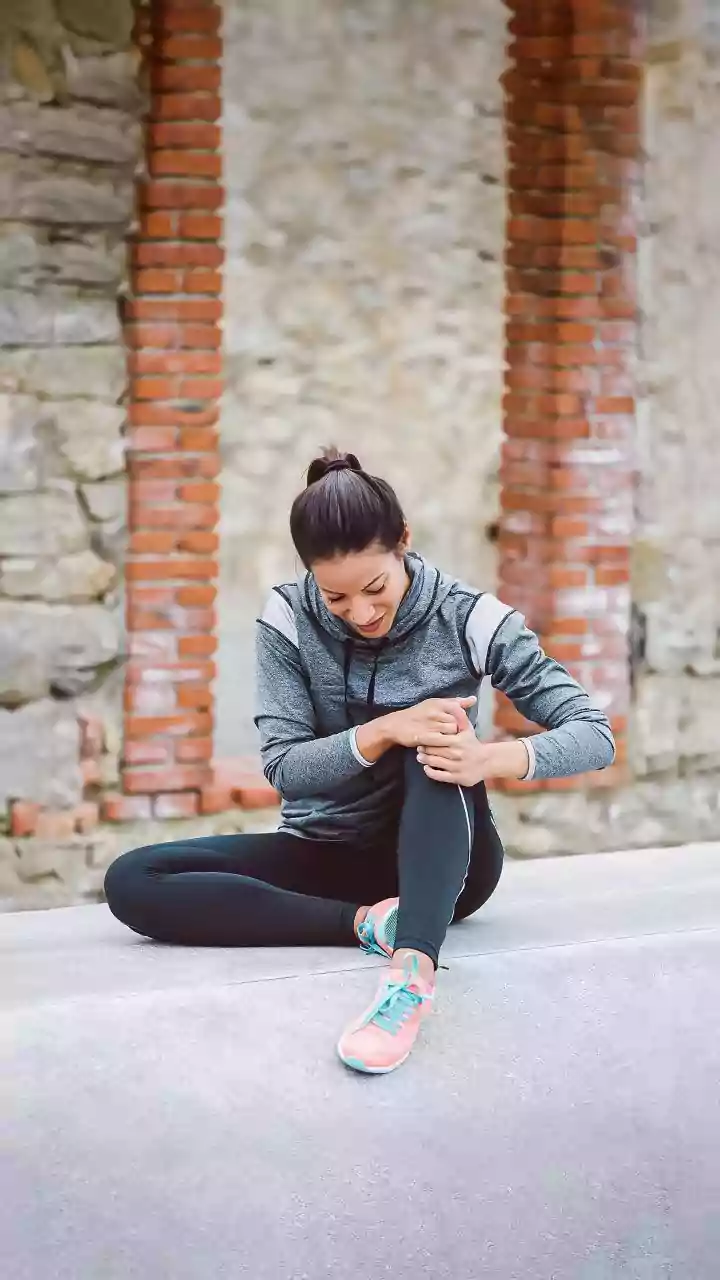
While inspiring, attempting advanced poses without adequate preparation can lead to serious injury. The Lotus Pose and its variations place significant torsional stress on the knee joints and require deep external rotation of the hips. Forcing the body into this shape without the necessary flexibility can strain or tear ligaments in the knees and ankles. In her own post, Shilpa cautioned practitioners to avoid the pose if they have any hip, knee, or shoulder injuries. The key takeaway is to practice 'ahimsa', or non-harming, by listening to your body's signals and never pushing through sharp pain.
Your Foundation: How to Prepare
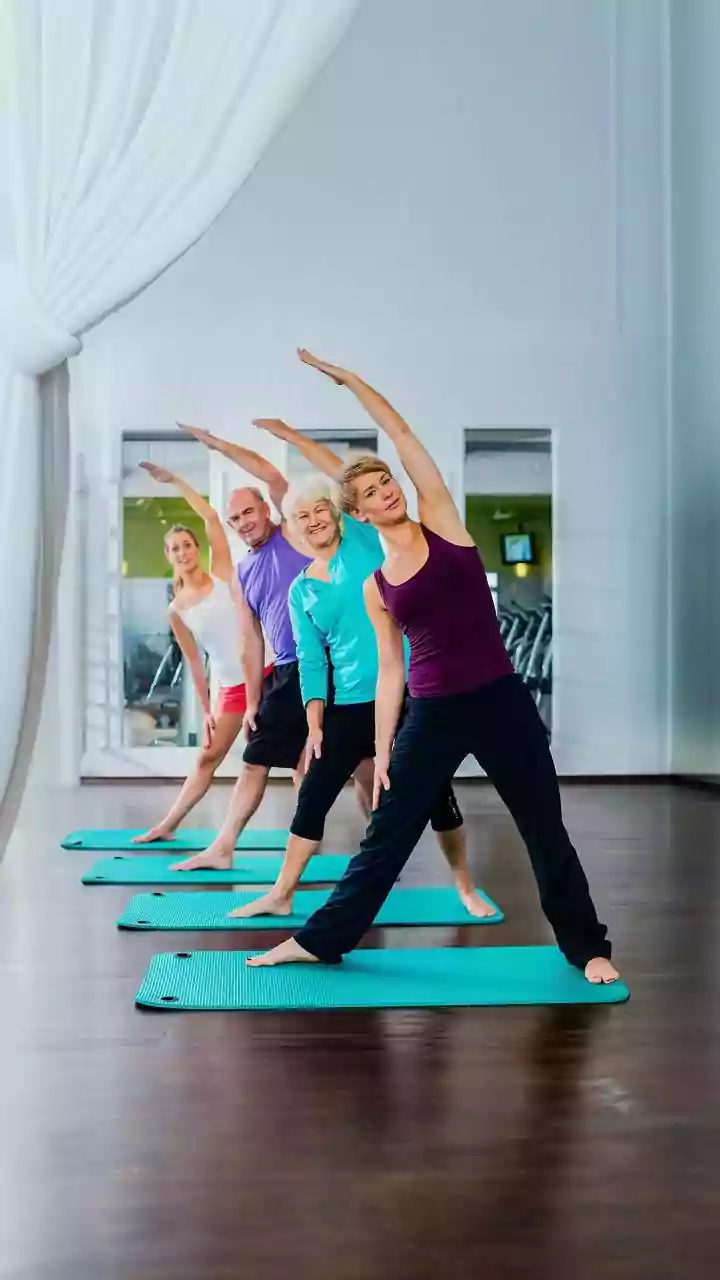
The journey to any advanced asana is a marathon, not a sprint. Consistency and patience are crucial. Before even thinking about Gupta Padmasana, the primary goal is to safely master the foundational Padmasana. This begins with developing hip flexibility. Most people have tight hips due to sedentary lifestyles, which makes this preparation phase vital. Focus on a consistent yoga practice that incorporates a wide range of hip-opening postures. A qualified instructor can provide guidance and ensure your alignment is correct, which is critical to preventing injury. Remember Shilpa's advice: consistency and discipline are essential for achieving anything.
Essential Preparatory Poses
To build the required mobility for the Hidden Lotus Pose, incorporate these foundational asanas into your regular practice: Baddha Konasana (Bound Angle or Butterfly Pose): This is a fundamental pose for opening the hips and inner thighs. Sit with the soles of your feet together and let your knees fall out to the sides. Janu Sirsasana (Head-to-Knee Forward Bend): This pose stretches the hamstrings, groin, and hips one leg at a time, allowing for a focused and safe stretch. Ardha Padmasana (Half Lotus Pose): This is the most direct stepping stone. Sit and place one foot on the opposite thigh, allowing your body to acclimate to the shape one side at a time. This helps you gauge your hip rotation without overloading the joints. Gomukhasana (Cow Face Pose): This pose provides a deep stretch for the outer hips and shares a similar leg orientation to the full lotus, making it an excellent preparatory posture. * Pigeon Pose (Eka Pada Rajakapotasana): This asana is a powerful hip opener that targets the external rotators, crucial for the lotus position.