






The Heartbeat of July: Bonalu Jathara
The centerpiece of Hyderabad's July celebrations is the Bonalu festival, a month-long thanksgiving to the Mother Goddess, Mahakali. This uniquely Telangana tradition, declared a state festival, sees the city come alive with gratitude and energy. The name
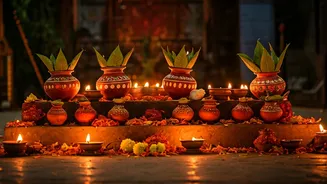
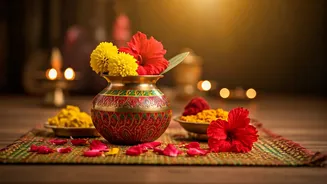
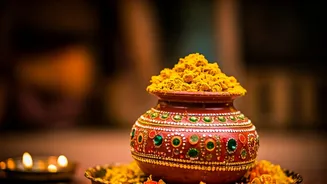
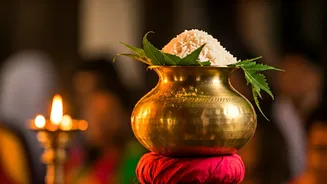
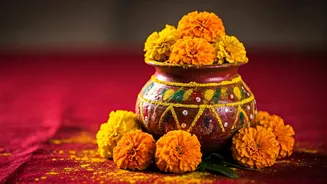
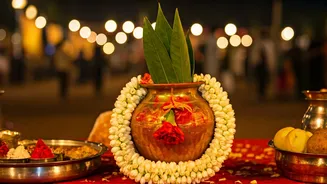
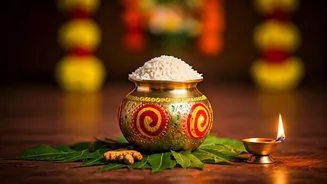
'Bonalu' comes from 'Bhojanam', the Telugu word for a meal. At its core, the festival is about a sacred offering of cooked rice with milk and jaggery, prepared by women in new earthen or brass pots. They carry these decorated pots, or 'Bonam', on their heads in processions to various temples, an act of deep personal devotion. Historically, Bonalu began in 1813 after a deadly plague swept through Hyderabad and Secunderabad. Military troops stationed in Ujjain prayed to Goddess Mahakali, vowing to honour her if the plague subsided. When it did, they fulfilled their promise, and the tradition was born.
A Schedule of Devotion
Bonalu is not a single-day event but a grand tour of devotion that moves across the twin cities on successive Sundays during the month of Ashadha. The festivities for 2026 kick off on July 19th at the historic Golconda Fort, marking the traditional start. The following Sunday, July 26th, the focus shifts to the Ujjaini Mahakali Temple in Secunderabad and the Balkampet Yellamma Temple. The third and fourth Sundays, August 2nd and 9th, see the grandest celebrations unfold in the Old City of Hyderabad, especially at the Sri Mahankali Temple in Lal Darwaza and the Akkanna Madanna temple in Haribowli. This staggered schedule allows devotees from across the region to participate in the celebrations at different key temples, each with its unique atmosphere.
The Fierce Protector: Pothuraju
No Bonalu procession is complete without the formidable presence of the Pothuraju. Considered the brother and guardian of the Mother Goddess, he leads the processions, clearing the path for the women carrying Bonams. A well-built man, bare-chested and smeared with turmeric, with vermilion on his forehead and bells on his ankles, the Pothuraju is an electrifying sight. He dances with fierce energy to the resounding beats of drums, often brandishing a whip. This character embodies the protective spirit of the festival, warding off negative energies and ensuring the sanctity of the procession. Many Pothurajus come from families who have performed this sacred role for generations, making it a deeply inherited tradition.
The Oracle's Voice and Final Procession
Two other unique rituals are central to Bonalu: 'Rangam' and 'Ghatam'. Rangam, which means 'oracle', takes place the morning after the main celebrations. A woman, believed to be channeling the spirit of the Goddess, enters a trance and foretells the events of the coming year, answering questions from devotees. The 'Ghatam' is a copper pot, decorated to represent the Mother Goddess, which is carried by a priest. This Ghatam is part of a procession from the first day of the festival until the very end, when it is ceremoniously immersed in water, marking the conclusion of the month-long festivities. The Ghatam procession from the Akkanna Madanna temple, often carried on an elephant, is a particularly spectacular finale.
How to Experience Bonalu
For visitors and locals alike, experiencing Bonalu is a feast for the senses. To fully immerse yourself, plan your visit around the Sunday processions at key temples like Golconda Fort, Ujjaini Mahankali in Secunderabad, or Lal Darwaza in the Old City. The streets will be crowded, so be prepared for a vibrant, bustling atmosphere filled with the sounds of folk music and drums. While observing, remember it is a deeply religious event. Dress modestly, be respectful of devotees, and ask for permission before taking close-up photographs of participants. The festival food is also a highlight; after the offering is made, families often share a celebratory non-vegetarian feast. It’s a time of community bonding, where the entire locality participates in the joyous mood.