


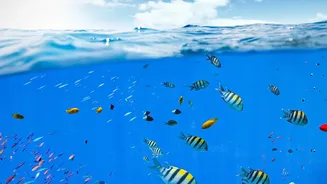
A Paradise Under Pressure
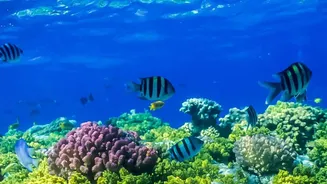
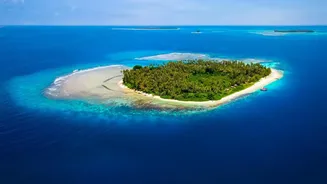
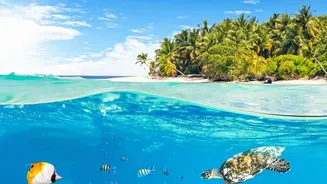
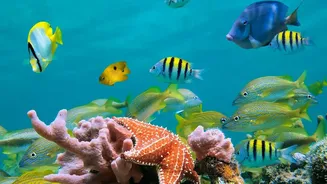
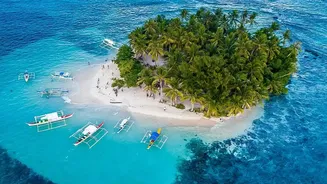
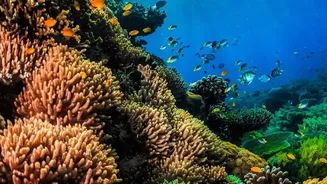
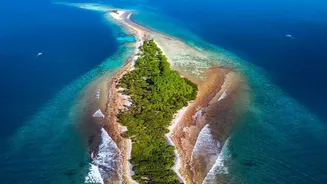
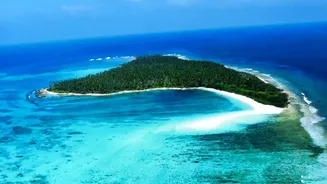
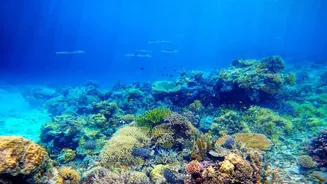
Lakshadweep is an archipelago of 36 islands, renowned for its stunning coral atolls. These ecosystems are not just beautiful; they are a vital barrier against sea erosion, a nursery for marine life, and the foundation of the local economy. However, they face
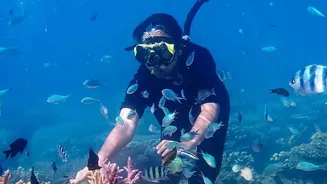
significant threats. Global challenges like rising sea temperatures have caused severe coral bleaching events, with studies showing a significant decline in live coral cover over the past two decades. On a local level, the pressures of human activity, including pollution and physical damage from unregulated tourism, can be devastating for these delicate habitats. Recognizing this vulnerability, the administration has long focused on a model of low-volume, high-value tourism to prevent the islands from being overwhelmed.
The Regulatory Shield
The cornerstone of Lakshadweep's conservation strategy is the regulation of tourism itself. Since 1982, the Society for Promotion of Nature Tourism and Sports (SPORTS) has acted as the nodal agency, managing tourism with an explicit focus on being eco-friendly. This centralized control allows the administration to enforce a 'gatekeeper' system. Entry to the islands requires a permit, and visitors must book packages through authorized travel agents who work with SPORTS. This ensures that visitor numbers are kept within the carrying capacity of the islands. The regulations extend to infrastructure, with a focus on eco-friendly resorts that incorporate practices like rainwater harvesting and solar power. A ban on single-use plastics is also strictly enforced to combat marine pollution.
Conservation in Action
Beyond simply limiting tourist numbers, active conservation efforts are underway. The Department of Environment and Forest implements key environmental laws and runs numerous programs. These include regular monitoring of coral reef health, which is crucial for understanding the impact of both climate change and local stressors. The department also organizes lagoon and beach clean-up drives to protect marine habitats and runs anti-poaching camps to safeguard wildlife. In some areas, local communities have become directly involved in conservation. For instance, the Lakshadweep Marine Research and Conservation Centre worked with the community on Kavaratti to establish a 500-acre lagoon reserve, demonstrating a collaborative approach to protecting these vital resources.
Balancing Livelihoods and Ecology
Sustainable tourism is not just about protecting nature; it is also about supporting the local community. The model promoted by SPORTS aims to create employment opportunities for educated locals within the tourism sector, reducing dependency on outside personnel. By developing tourism in a controlled manner, the administration aims to ensure that economic growth benefits the people who call the islands home. This strategy seeks to weave cultural preservation into the tourism experience, promoting heritage walks and traditional arts, which fosters local pride. The goal is to prove that economic progress and environmental preservation can go hand-in-hand, creating a resilient local economy that doesn't sacrifice its greatest asset: its pristine environment.
Ongoing Challenges and the Path Forward
Despite these robust regulations, Lakshadweep is not immune to threats. The overarching challenge remains climate change, with marine heatwaves posing a continual risk to the coral reefs. Studies have shown that reefs need long periods without bleaching events to recover, a difficult proposition in a warming world. Furthermore, there is an ongoing debate about the right balance between government oversight and community involvement, with some arguing for a more collaborative stewardship model. As interest in the islands grows, the pressure to expand tourism infrastructure will increase, making the commitment to sustainable practices more critical than ever.