

The Kitchen Triage System
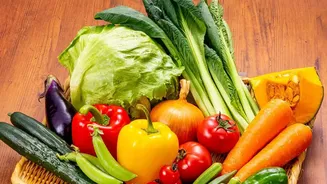
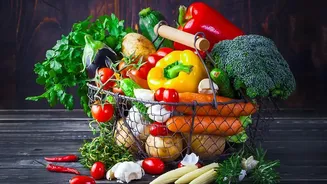
The moment your produce enters your kitchen is critical. Instead of just putting everything away, perform a quick 'triage'. The goal is to sort vegetables into two main camps: those that need to be eaten soon and those that can wait. This simple act of sorting
is the foundation of a 'use-first' system, a concept borrowed from professional kitchens known as 'First In, First Out' (FIFO). This method ensures that older items are used before newer ones, dramatically cutting down on spoilage. Your triage doesn't need to be complicated. Just lay everything out, group like items together, and make a quick assessment. This habit turns the chaos of a weekly shop into an organised, actionable plan.
Identify Your Delicate Vegetables
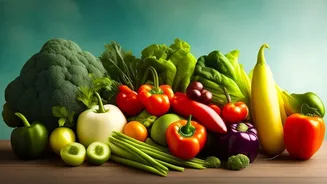
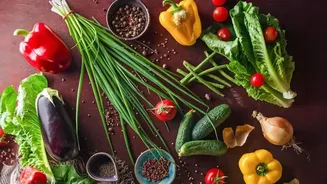
The 'use-first' category is reserved for your most perishable items. These are the vegetables with the shortest shelf life, often because they have high water content or delicate structures. Think of leafy greens like spinach, lettuce, and rocket, which are prone to wilting. Fresh herbs, mushrooms, broccoli, spring onions, and ripe tomatoes also fall into this group. These items should be front and centre in your meal plan for the first two to four days after you shop. By identifying and prioritising these 'danger zone' veggies, you ensure they are eaten at their peak freshness and don't end up in the compost bin.
Smart Storage for a Short Stay
Even though you plan to use them quickly, storing your delicate vegetables correctly can extend their life by crucial days. The enemy of most greens is excess moisture. For leafy greens, consider washing them, spinning them dry, and then storing them in a container lined with a paper towel. This absorbs condensation without drying them out. Herbs can often be treated like a bouquet of flowers, with their stems in a jar of water. Mushrooms are best kept in a paper bag, which allows them to breathe. Proper storage acts as a safety net, giving you a bit more flexibility in your meal planning.
Meal Planning with Priorities
With your delicate vegetables identified, your meal plan for the first half of the week writes itself. Plan for salads, stir-fries heavy on the greens, and dishes that use fresh herbs as a main component rather than just a garnish. Think of a large spinach and mushroom omelette for breakfast, a salad with mixed greens for lunch, and a stir-fry with broccoli for dinner. Planning your meals this way means your ingredients are always used at their best. This strategy also encourages creativity, pushing you to build meals around what's freshest instead of sticking to a rigid recipe.
Rely on Your Hardy Staples Later
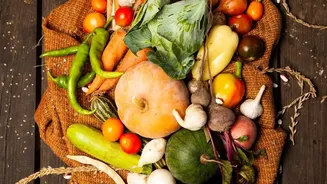
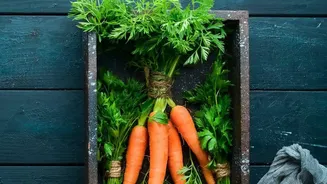
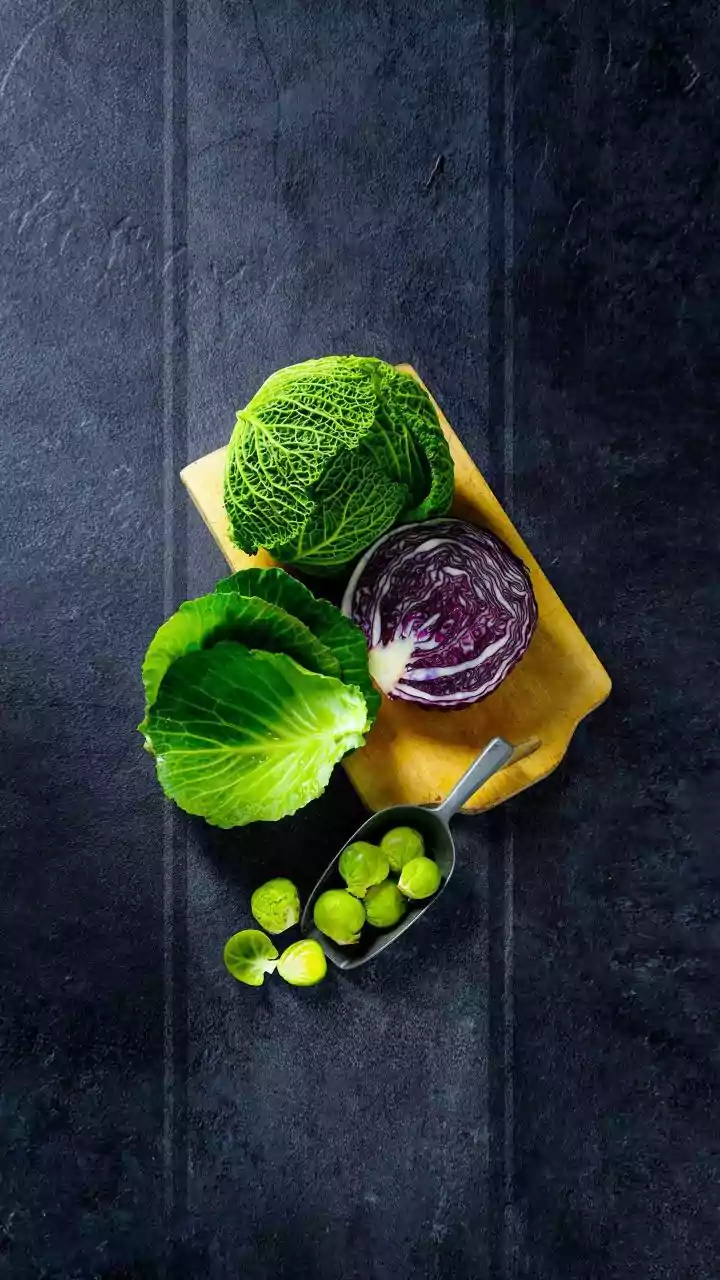
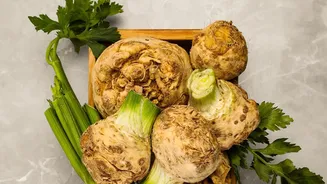
The other side of the 'use-first' coin is the 'use-later' pile. These are your sturdy, long-lasting vegetables. Root vegetables like carrots, potatoes, and beets are built to last, as are items like onions, garlic, cabbage, and winter squash. These hardy staples require less immediate attention and can form the backbone of your meals in the latter half of the week. Knowing you have these reliable ingredients waiting gives you peace of mind and provides a steady supply of fresh options long after your delicate greens have been enjoyed. This two-tiered approach ensures you eat fresh all week long without daily trips to the store.