

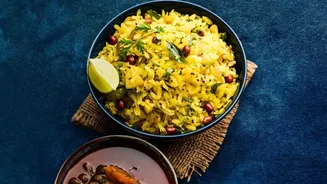
The Soul of Khichdi: A Rich History
Khichdi is one of India's most ancient dishes, with its origins traced back over two millennia. The name itself comes from the Sanskrit word 'khiccā', referring to a dish of rice and legumes. Evidence found in Maharashtra dating back 2,000 years shows
rice and moong dal were cooked together even then. This simple, digestible meal was praised in Ayurvedic texts for its nourishing properties. It was a staple for everyone, from commoners to royalty. Even the Mughals elevated it, with Emperor Akbar being particularly fond of the dish. This historical journey shows that while the core combination is timeless, khichdi has always been a canvas for regional and personal interpretation. Traditionally, it is known for its four classic accompaniments: ghee, papad, dahi (curd), and achaar (pickle).
The Classic Moong Dal Khichdi
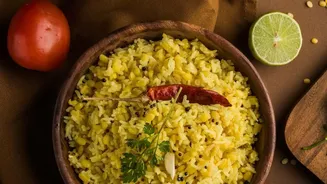
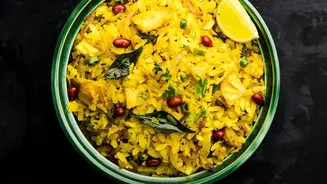
Before we explore the new, it's important to honour the classic. The standard Moong Dal Khichdi is a one-pot wonder, typically made with rice and yellow split moong dal (or sometimes the green split version). The magic lies in its simplicity and the final tempering, or 'tadka'. Aromatic spices like cumin seeds, a pinch of asafoetida (hing), and turmeric are sizzled in hot ghee and poured over the soft, porridge-like mixture. It's this fragrant finish that transforms the dish from merely boiled rice and dal into a deeply satisfying meal. Often prepared when someone is unwell due to its easy digestibility, this version is the comforting base upon which all other variations are built.
The Spice Upgrade: Masala Khichdi
For those who find the classic a little too mild, the Masala Khichdi is the perfect answer. This version doesn't change the core ingredients but dials up the flavour by incorporating a medley of spices and aromatics. Onions, ginger, garlic, and tomatoes form a flavourful base, sautéed before the rice and dal are added. Spices like red chilli powder, garam masala, and coriander powder are introduced, creating a richer, more robust taste profile. Many recipes also include whole spices like cloves, bay leaves, and cinnamon sticks in the tempering for an even deeper aroma. This variation is a heartier meal, perfect for a cold day or when you're craving comfort food with a kick.
The Nutritional Boost: Vegetable Khichdi
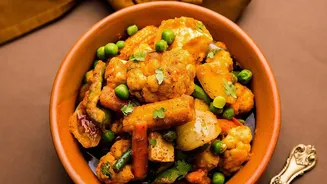
One of the easiest ways to add new life to khichdi is by adding vegetables. A Vegetable Khichdi is not only more colourful and texturally interesting, but it's also packed with extra nutrients. Almost any vegetable works well, but popular choices include carrots, peas, potatoes, cauliflower, and green beans. The vegetables are typically chopped and added to the pot along with the aromatics, allowing them to soften and release their flavours into the dish. For a greener, iron-rich version, adding finely chopped spinach (Palak Khichdi) towards the end of the cooking process is a fantastic option. This variation turns the simple khichdi into a complete and balanced one-pot meal.
The Regional Star: Bengali Khichuri
Across India, khichdi takes on many forms, and the Bengali Khichuri is a celebrated regional star. Often associated with rainy days and the Durga Puja festival, it has a distinct flavour profile that is both sweet and savoury. It typically uses fragrant Gobindobhog rice and roasted moong dal, which imparts a nutty aroma. A key ingredient is the Bengali five-spice mix known as 'panch phoron'. The texture is often a little thicker than other versions and it can include vegetables like cauliflower and potatoes. This version is a testament to how local ingredients and tastes have shaped the evolution of this pan-Indian dish.
The Modern Twist: Alternative Grains and Fusion Flavours
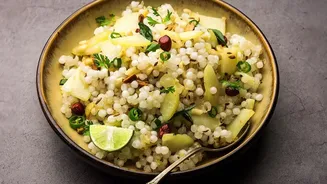
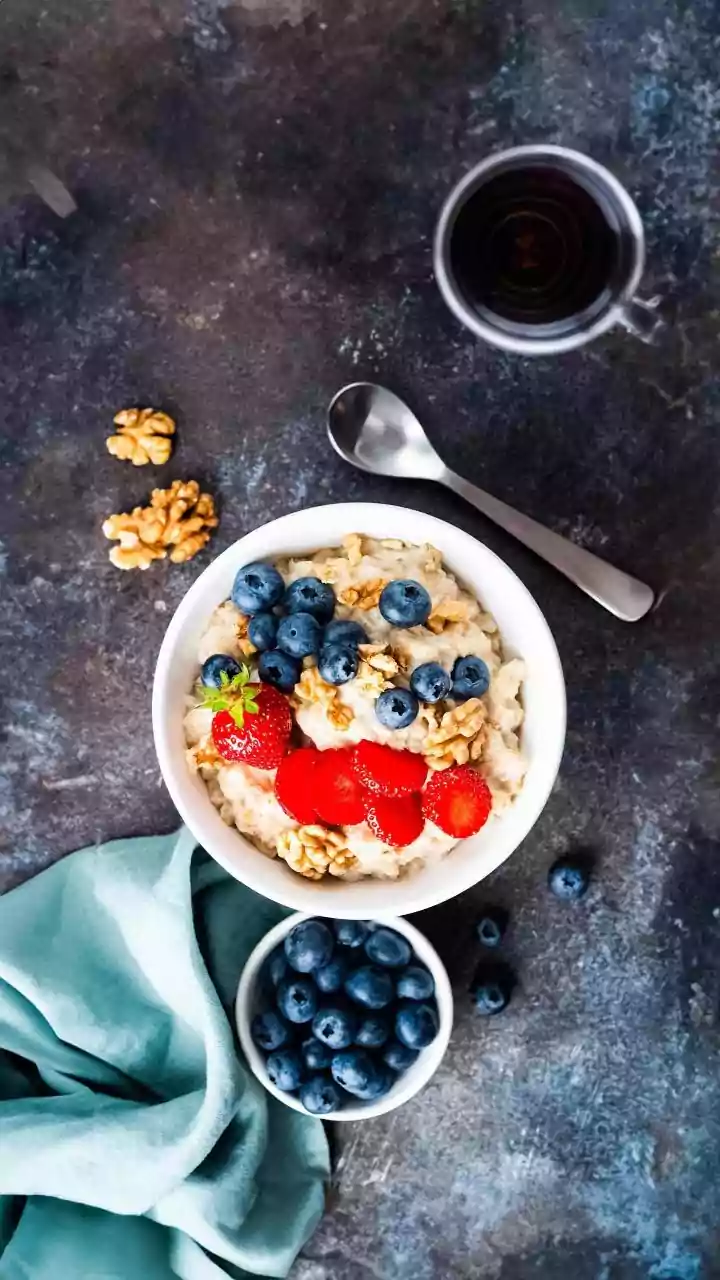
In recent years, chefs and home cooks have been experimenting with khichdi, pushing its boundaries even further. Health-conscious foodies are swapping out rice for alternative grains like quinoa, millets, broken wheat (dalia), or oats for a fibre-rich, gluten-free meal. These versions offer a different texture and a nuttier taste while retaining the comforting essence of the dish. There are also fusion experiments, such as an Italian-inspired risotto-style khichdi made with Arborio rice and Parmesan cheese, or a tangy Achari Khichdi infused with the flavours of Indian pickle masala. These creative takes prove that khichdi is not just a dish of the past, but one that continues to evolve with our changing palates.