

Choosing a new fitness class can feel overwhelming. Two popular options, Zumba and Barre, offer completely different experiences. One is a high-energy dance party, the other a controlled, ballet-inspired workout. So, which one is right for you?
The Vibe: Dance Party vs. Focused Burn
The atmosphere
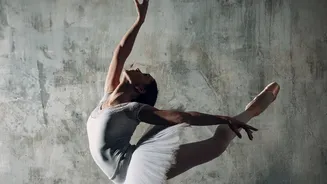
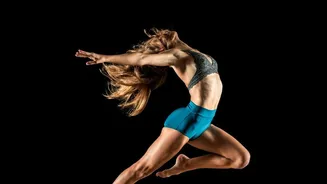
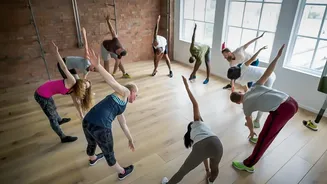
of a Zumba class is energetic, social, and feels like a party. Set to upbeat Latin and international music, the focus is on fun and movement. Instructors lead with high energy, and the general rule is to just keep moving, even if you don't get every step right. Barre, on the other hand, is more focused and composed. Inspired by ballet, it uses a stationary handrail (the 'barre') for support during exercises. The vibe is less about cardio and more about precision, control, and connecting with your muscles in a quiet, concentrated environment.
The Workout: Cardio Expression vs. Strength Control
Zumba is fundamentally a cardiovascular workout. Classes consist of interval training, alternating between fast- and slow-paced dance routines to keep your heart rate up and burn calories. The movements are large, rhythmic, and engage the whole body, especially your core and lower body. Barre is a low-impact strength training workout. It focuses on small, precise, isometric movements and high repetitions to fatigue specific muscle groups. This method targets slow-twitch muscle fibers, which helps to build lean muscle tone and endurance without high-impact stress on the joints. You can expect to work your glutes, thighs, core, and arms to the point of a signature 'barre shake'.
Key Benefits: Heart Health vs. Posture and Tone
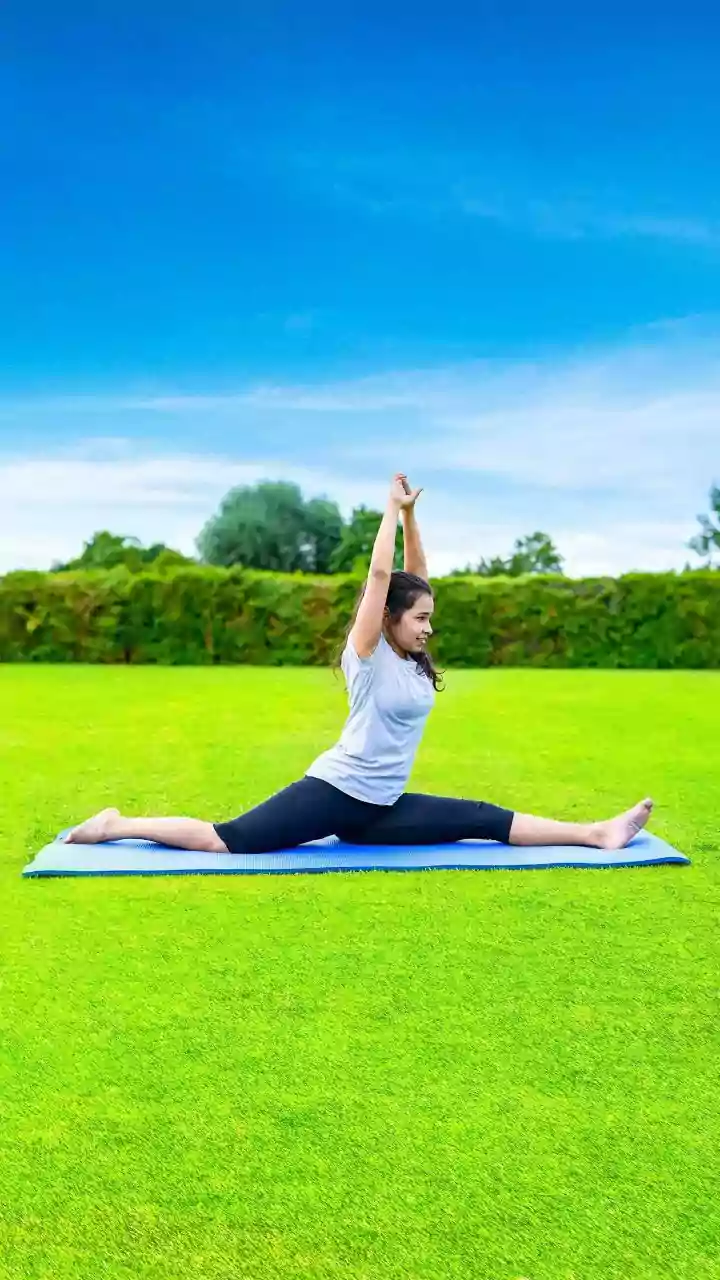
The primary benefit of Zumba is improved cardiovascular health. The aerobic nature of the workout strengthens your heart and lungs, boosts endurance, and can burn a significant number of calories. It's also an excellent stress reliever and mood booster, thanks to the combination of music, dance, and endorphin release. Barre excels at improving posture, muscle definition, and flexibility. The focus on alignment and core stability strengthens the deep postural muscles that support your spine. This leads to a more 'lifted' look and feel, increased body awareness, and long, lean muscle tone without bulk.
Considerations for the Beginner
Both workouts are beginnerfriendly, but they present different challenges. In Zumba, the choreography can seem fast at first, but instructors use a lot of repetition, and the atmosphere is nonjudgmental. The main goal is to have fun and stay active, not to perform perfectly. Newcomers can focus on the footwork first and add arm movements later as they get more comfortable. Barre is excellent for beginners because it's lowimpact and easily modifiable. However, the small controlled movements can be surprisingly intense. Instructors provide detailed guidance on form, which is crucial for getting results and avoiding strain. Don't be surprised if your muscles shake; it's a sign they're working effectively.
What to Expect in Your First Class
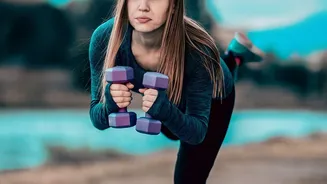
For your first Zumba class, wear comfortable workout clothes and supportive athletic shoes, bring water, and be ready to sweat. The instructor will likely use nonverbal cues to lead you through the routines. For your first Barre class, wear comfortable formfitting clothing that allows the instructor to see your alignment. Many studios require or recommend grip socks for safety and hygiene. You will use a barre for balance, and the class may also incorporate light hand weights resistance bands most small exercise balls.
Which One Should You Choose?
Your choice ultimately depends on your personality and fitness goals. Choose Zumba if your main goal is cardio you want to burn calories and you love the idea of a fun highenergy workout that feels more like a social dance party than exercise most It's perfect for those who get bored easily with traditional gym routines most Choose Barre if you want to build lean muscle improve your posture and flexibility and prefer a lowimpact workout that focuses on control and mindful movement most It is ideal for those looking to sculpt and tone specific areas like the glutes thighs and core.