

Why Make the Switch to Oats Dosa?
The traditional dosa, while delicious, requires significant planning. The batter, typically made from rice and urad dal, needs hours of soaking followed by a long fermentation period. In today's fast-paced world, this isn't always practical for a weekday
breakfast. This is where the oats dosa shines. Its primary advantage is speed; most recipes are 'instant', requiring no fermentation at all. Beyond convenience, oats bring a host of nutritional benefits. They are an excellent source of dietary fibre, particularly beta-glucan, which is known for helping to manage cholesterol levels and promoting a feeling of fullness. Oats also provide quality protein and a range of essential minerals, making the dosa not just a quick meal but a genuinely nutritious one.
The Core Ingredients You'll Need
The beauty of an instant oats dosa lies in its simplicity and the flexibility of its ingredients. The star of the show is, of course, oats. You can use either rolled oats or quick-cooking oats; both work well once ground into a powder. To help with binding and crispiness, a small amount of rice flour and semolina (rava/sooji) are typically added. Curd (yoghurt) provides a slight tang, mimicking the fermented flavour of traditional dosa, while also contributing to a softer texture. The rest are simple flavour enhancers: cumin seeds, finely chopped green chillies, ginger, and fresh coriander leaves, which add a fresh, spicy kick to the final product.
Crafting the Perfect Batter
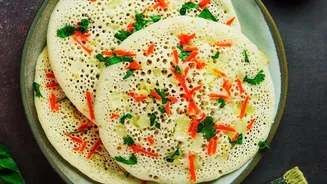
Preparing the batter is a straightforward process that takes just a few minutes. Start by grinding about one cup of oats in a blender or mixie until you have a fine powder. Transfer this oat flour to a mixing bowl. To this, add a quarter cup each of rice flour and semolina. Mix in your spices and herbs—a teaspoon of cumin seeds, chopped chillies, grated ginger, and coriander leaves. Finally, add about a quarter cup of curd and a teaspoon of salt. Begin adding water gradually, mixing continuously to avoid lumps. The ideal consistency for a crispy, net-like oats dosa is thin, similar to that of a classic rava dosa batter. Once mixed, let the batter rest for 15-20 minutes. This allows the semolina to absorb water and soften, which is crucial for the dosa's final texture.
Cooking Your Dosa to Golden Perfection
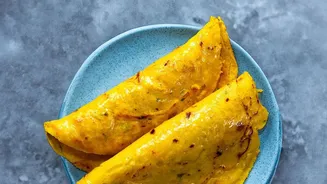
Cooking an oats dosa is similar to making a rava dosa. Heat a flat non-stick tawa or cast-iron griddle over medium-high heat. To check if it's ready, sprinkle a few drops of water; if they sizzle and evaporate immediately, the tawa is at the right temperature. Lightly grease the surface with a few drops of oil. Stir your batter well, as the solids tend to settle at the bottom. Using a ladle, pour the batter from a height of a few inches onto the hot tawa, starting from the outer edge and moving towards the centre in a circular motion. Fill in any large gaps, but don't try to spread it with the back of the ladle like a traditional dosa. Drizzle a little oil or ghee around the edges and on top. Cook for a couple of minutes until the underside is golden brown and the edges start to lift. An oats dosa is typically so thin that it doesn't need to be flipped. Once crisp, simply fold it in half and serve immediately.
Serving Suggestions and Easy Variations
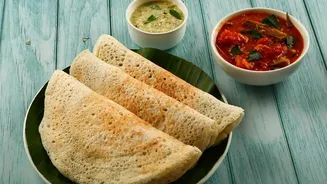
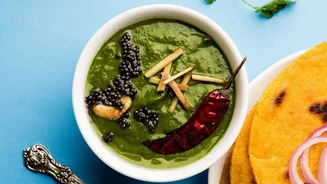
An oats dosa is incredibly versatile and pairs wonderfully with a variety of classic South Indian accompaniments. The most popular choices are coconut chutney, tangy tomato chutney, or a hearty sambar. For a simple and quick meal, even a side of podi (gunpowder) mixed with ghee or oil is a fantastic option. If you want to make the meal more substantial, you can add finely chopped onions, carrots, or capsicum directly into the batter before cooking. For a protein boost, a filling of scrambled paneer can be added just before folding the dosa. Don't be afraid to experiment with the spices; a pinch of asafoetida or black pepper powder can add another layer of flavour to your batter.