







The New Blueprint for Space Investment
In a decisive move to attract global capital and technology, the Indian government has liberalised its Foreign Direct Investment (FDI) policy for the space sector. The reform, effective from April 2024, creates a tiered system designed to stimulate different
parts of the industry. It allows up to 100% foreign investment under the automatic route for companies that manufacture space components and subsystems. For more complex activities like satellite manufacturing and operations, the automatic FDI limit is set at 74%. Meanwhile, critical areas such as developing launch vehicles and building spaceports can receive up to 49% FDI automatically. This structured approach provides much-needed regulatory clarity, sending a clear signal to global investors that India is serious about building a world-class private space ecosystem.
From Government-Led to Market-Driven
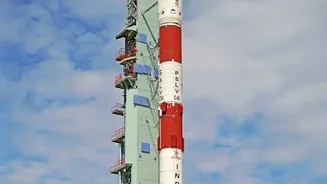
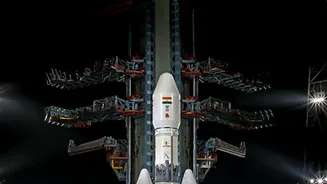
For decades, India's journey in space was almost exclusively driven by the Indian Space Research Organisation (ISRO). Private companies were largely restricted to being vendors or component suppliers for the national agency. The new policy framework fundamentally alters this dynamic. It pivots ISRO's role away from routine manufacturing and toward advanced research, development, and strategic national missions. Taking over the regulatory and promotional duties is the Indian National Space Promotion and Authorisation Centre (IN-SPACe), established as a single-window agency to guide and authorise the activities of private companies, known as Non-Government Entities (NGEs). This strategic unbundling allows private firms to move from the periphery to the center, enabling them to undertake end-to-end space activities, from building satellites to launching them.
Rocket Fuel for the Startup Ecosystem
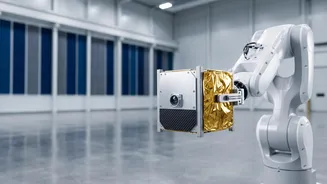
The immediate beneficiaries of this reform are India's space-tech startups. Before this, access to large-scale, patient capital was a significant hurdle. Now, with the doors opened to substantial foreign investment, these innovative firms can finally access the financial fuel needed to scale their operations, refine their technology, and compete globally. The impact is already visible, with over 400 private space startups now operating in India, working on everything from satellite manufacturing and launch vehicles to geospatial data analytics. This influx of capital does more than just fund projects; it facilitates crucial technology transfers, fosters collaborations, and integrates Indian startups into the global aerospace supply chain, transforming them from local players into international contenders.
A New Galaxy of Job Opportunities
The privatisation and commercialisation of the space sector are set to create a massive employment engine. As India's space economy is projected to grow nearly five-fold to USD 44 billion by 2033, it is expected to generate over 200,000 new jobs along the way. These roles are not limited to astronauts and astrophysicists. The growing ecosystem requires a diverse talent pool, including mechanical and software engineers, data scientists, quality assurance specialists, and manufacturing technicians. The shift is already creating a talent demand so high that a skills gap is emerging in specialised areas, signalling a robust and urgent need for a new generation of space professionals. This creates a significant opportunity for India's vast pool of engineering and STEM graduates to build careers in a cutting-edge industry.
Securing India's Place in the Global Space Race
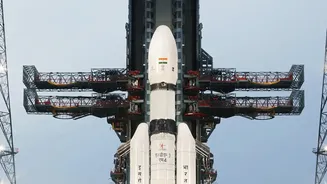
This policy reform is, at its core, a strategic move to significantly increase India's share of the global space economy. By combining foreign capital and technology with its own formidable and cost-effective engineering talent, India is positioning itself as a highly competitive hub for space-tech innovation. The goal is to move beyond being a provider of budget-friendly launches and become a leader in the entire space value chain. The liberalised investment landscape empowers private companies to build, launch, and operate space assets at a fraction of the cost seen in many Western markets. This will not only drive economic growth but also solidify India's status as a comprehensive space power in an increasingly crowded and commercialised final frontier.