

Witness the Majestic Puli Kali in Thrissur
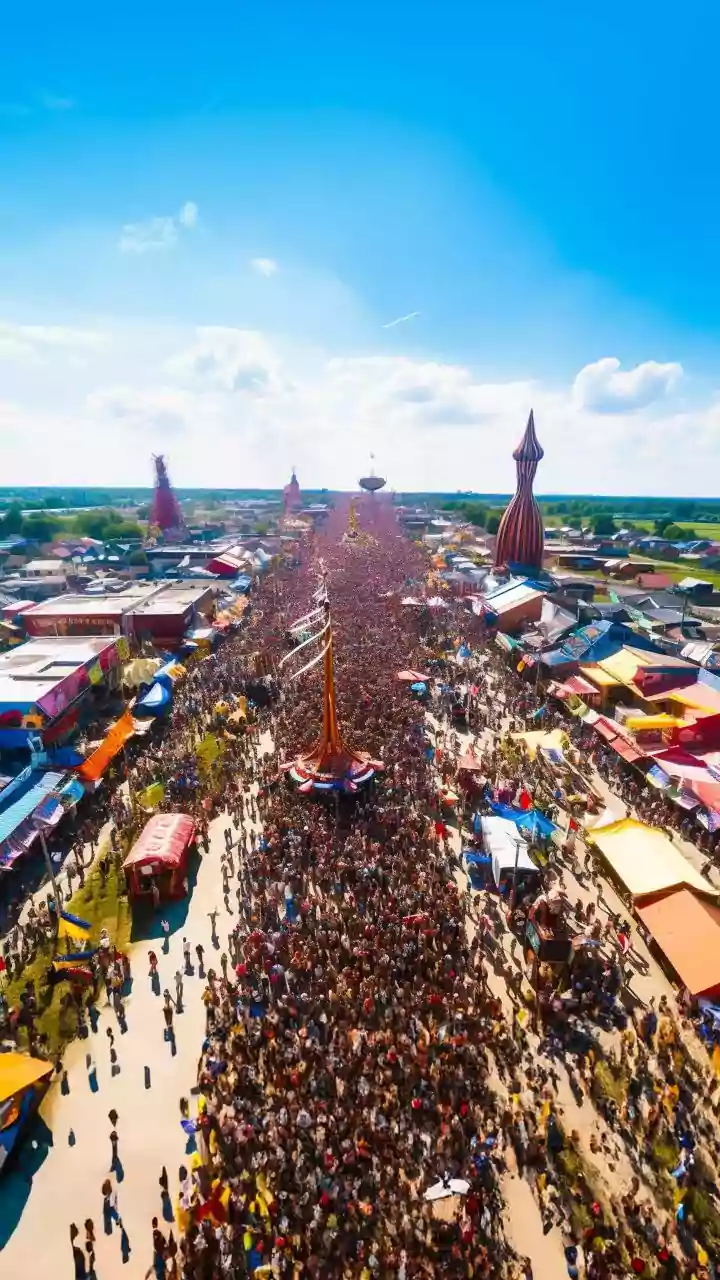
While many Onam events are serene, the Puli Kali (Tiger Dance) is a burst of raw, vibrant energy. On the fourth day of Onam, the streets of Thrissur, particularly Swaraj Round, are taken over by hundreds of performers. Their bodies are meticulously painted
as tigers and hunters, and they dance with wild abandon to the powerful rhythm of traditional drums like the chenda and thakil. This 200-year-old folk art form is a spectacle of colour, sound, and communal joy that is unmissable. While it draws a crowd, its cultural authenticity makes it a worthy exception to avoiding packed venues. For 2026, the main procession is anticipated around August 29th, but it is wise to confirm the date closer to the festival.
Discover the Masked Dance of Kummattikali
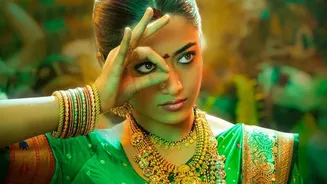
For a truly offbeat experience, seek out Kummattikali, a colourful and quirky mask-dance prevalent in the Thrissur and Palakkad districts. During Onam, performers don heavy, painted wooden masks depicting gods, demons, and mythical figures, and wear costumes made of woven grass. They move from house to house, dancing and collecting small gifts, bringing the festive spirit directly to local doorsteps. The performance is led by a character called 'Thalla' or an old woman, and it tells stories from mythology. This ritual is a fantastic way to see a folk tradition that remains deeply embedded in village life, far from commercialised tourism.
Savour an Authentic Homestay Onam Sadya
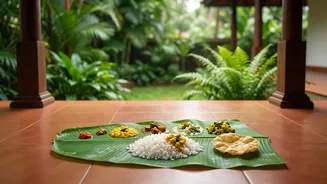
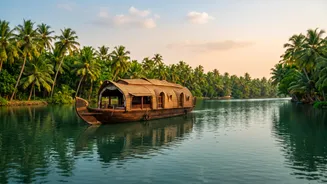
The Onam Sadya, a lavish vegetarian feast with over two dozen dishes served on a banana leaf, is the culinary heart of the festival. While many restaurants offer it, the most authentic experience is found in a local home or a traditional homestay. Here, the meal is not just food; it's a ritual prepared with love and shared with family. Booking a stay in a homestay in areas like Palakkad or the quieter parts of Kumarakom allows you to participate in the preparations, understand the significance of each dish, and enjoy the feast in a genuine, intimate setting. It’s an opportunity to taste the true flavour of Onam, which is rooted in community and hospitality.
Explore Village Pookalam Competitions
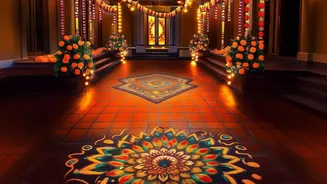
The Pookalam, an intricate floral carpet, is the most iconic visual of Onam. Every morning for ten days, a new layer of flowers is added to welcome King Mahabali. Instead of just seeing them at hotels, venture into smaller towns and villages in regions like Palakkad or the outskirts of Kochi. Here, you'll find entire lanes participating in friendly Pookalam competitions. You can witness the artistry up close, from gathering the flowers at dawn to the meticulous arrangement of petals. It’s a beautiful, living art form that showcases community spirit. On the eighth day, Pooradam, clay pyramids representing the king are placed in the center of the floral design.
Visit the Thrikkakara Vamanamoorthy Temple
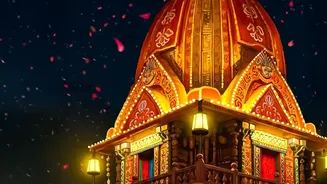
To understand the mythological origins of Onam, a visit to the Thrikkakara Temple in Ernakulam is essential. Believed to be the place where the legend of King Mahabali and Lord Vishnu's Vamana avatar unfolded, this temple is the epicentre of Onam celebrations. The festival kicks off here with the Athachamayam procession and continues for ten days with a host of rituals, cultural performances, and music. While it can be busy, the spiritual and historical significance of experiencing Onam at its legendary birthplace offers a depth of understanding that popular tourist activities cannot match.
Seek Out a Lesser-Known Boat Race
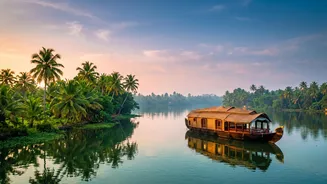
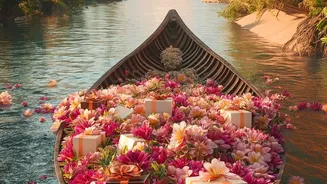
The massive Nehru Trophy boat race is famous, but Kerala's backwaters host numerous smaller, local Vallam Kali (snake boat races) that are just as thrilling. The Aranmula Uthrattathi Vallamkali, for instance, is more of a ritual than a race, connected to the Sri Parthasarathy Temple. It's a spectacular display of devotion and teamwork held on the Pamba River. These smaller events offer a more intimate viewing experience, allowing you to feel the rhythm of the oars and the passion of the villagers cheering for their local boat, capturing the true community spirit of the festival.