
An Augmented Reality Window to Space
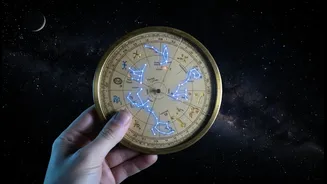
The single most magical feature of modern astronomy apps is augmented reality (AR). Instead of consulting a paper star chart, you can simply point your phone at the sky. Using your device's GPS and compass, the app overlays a detailed, real-time map onto
your screen, identifying stars, planets, and constellations instantly. Suddenly, that bright dot isn't just a mystery; it's Jupiter. Apps like SkyView, Night Sky, and Star Walk 2 excel at this, turning a simple glance upwards into an interactive learning experience. This AR function breaks down the biggest barrier for beginners: the overwhelming feeling of not knowing where to start. You can tap on any object to pull up detailed information, transforming your phone into a portable planetarium.
Your Personal Stargazing Planner
While meteor shower alerts are a popular gateway, these apps are powerful planning tools for any celestial event. They feature comprehensive calendars that list upcoming eclipses, planetary alignments, and even flyovers of the International Space Station (ISS) and Starlink satellites. Many apps, such as Sky Tonight, allow you to set customized notifications so you never miss an event you care about. Beyond just dates, dedicated planning apps like Astrospheric provide detailed weather forecasts tailored for astronomers, showing cloud cover, atmospheric transparency, and wind to help you find the perfect night for viewing. Some apps even have a time-shift feature, letting you see what the sky will look like hours, days, or even years in the future or past, making it an invaluable tool for planning observations.
An Encyclopedia in Your Pocket
Beyond simply identifying objects, the best astronomy apps serve as deep reservoirs of knowledge. Tapping on a star or galaxy can bring up extensive information, from its physical properties and distance from Earth to the mythology behind its constellation's name. Apps like Stellarium, which began as a powerful desktop program, boast enormous databases with millions of stars and deep-sky objects. Even NASA has official apps that offer not just identification tools but also the latest news, mission updates, and breathtaking images from telescopes like Hubble and Webb. This educational component has sparked a renewed interest in astronomy, making the subject more accessible and engaging than ever before.
From Hobbyist to Pro-Level Toolkit
Astronomy apps cater to a wide spectrum of users, from curious beginners to seasoned amateurs. While free versions like SkyView Lite or the base version of Star Chart offer more than enough for casual viewing, paid pro versions unlock a suite of advanced tools. Apps like SkySafari 7 Pro are a must-have for serious astronomers, offering features to control WiFi-enabled telescopes directly from your phone. Astrophotographers rely on apps like PhotoPills, which includes simulators to preview the framing of a celestial object with a specific camera and telescope combination. This scalability ensures that as a user's interest grows, the app can grow with them, providing more data and more powerful tools for deeper exploration.