



Forget infinity pools and all-you-can-eat buffets. A profound shift is reshaping Indian tourism, with wildlife reserve lodges reporting unprecedented demand, not just in peak season, but all year long. What's driving this migration from manicured resorts
to wilder escapes?
The New Indian Traveller Has Arrived
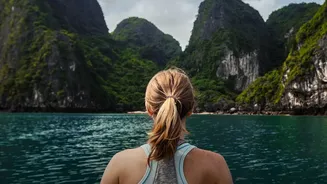
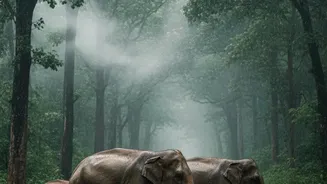
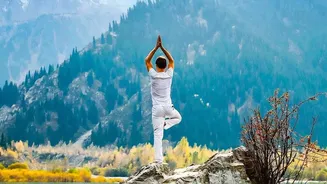
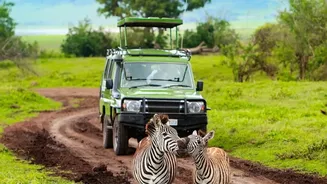
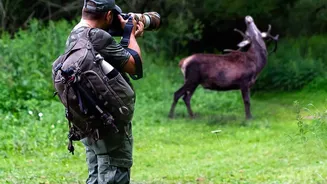
The profile of the Indian tourist has evolved. Today’s travellers, particularly millennials and Gen Z, are increasingly seeking more than just a relaxing holiday; they crave authentic, immersive experiences. According to a 2026 Agoda report, there is a clear trend towards holidays centred on peace, nature, and a slower pace of life, a concept termed 'hushpitality'. This demographic is trading crowded tourist hotspots for the tranquility of nature. They are driven by a desire to disconnect from urban chaos and reconnect with the natural world, a sentiment that has only grown stronger in recent years. This search for authenticity is leading them to the gates of national parks like Ranthambore, Kabini, and Gir, where the experience is the main attraction.
Sustainability Is No Longer a Buzzword
The modern traveller is not just an observer but a conscious participant. A staggering 88% of Indian travellers now prioritise sustainability in their travel decisions, placing India third in Asia for this growing focus. This isn't just about eco-friendly practices; it's about making a positive impact. Travellers are increasingly willing to pay more for experiences that support local communities and conservation efforts. A 2026 report highlighted that 72% of Indian travellers are more determined to travel sustainably than they were a year ago. This mindset makes wildlife lodges, many of which are built on principles of ecotourism and community benefit, a natural choice over large, commercial resorts. The appeal lies in knowing their holiday contributes directly to preserving the wilderness they've come to enjoy.
The Myth of the 'Off-Season' Is Busted
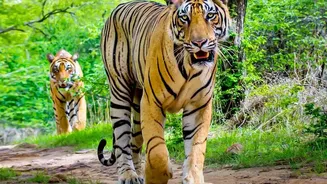
One of the most significant shifts is the dismantling of the traditional tourism calendar. For years, the monsoon season meant closed parks and empty lodges. That's changing. While core zones of many parks like Bandhavgarh and Kanha close during the monsoon, many now keep their buffer zones open for safaris. Ranthambore keeps zones 6 to 10 open, and Corbett's Jhirna range welcomes visitors year-round. Lodges are cleverly marketing these 'off-seasons' as unique experiences: think lush, green landscapes, fewer crowds, and different animal behaviours. The summer months, once considered too hot, are now promoted as the best time for tiger sightings, as animals congregate around waterholes. This savvy marketing has turned the traditional low season into a new, sought-after travel period.
The Remote Work Revolution
The rise of flexible and remote work arrangements has been a game changer for domestic travel. Untethered from office desks, a growing number of professionals can now travel for longer durations and outside of traditional holiday peaks. This has fuelled the 'workation' trend, where individuals blend work with leisure. Wildlife lodges, often located in serene, inspiring settings, are ideal for this. Improved connectivity in previously remote areas, as seen with initiatives in places like Sikkim, means one can now work from nature without sacrificing productivity. This newfound flexibility allows travellers to take advantage of off season rates and experience parks when they are less crowded, further boosting year round occupancy.
Luxury Redefined in the Wild
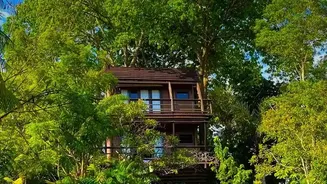
Wildlife tourism in India has also carved out a significant niche in the luxury market. Today's high end lodges offer far more than just a rustic stay. They provide a blend of rugged adventure and refined comfort, from private pool villas on the edge of a forest to exclusive tented camps with gourmet dining and wellness spas. Destinations like Jawai in Rajasthan and Kabini in Karnataka have become synonymous with this new brand of offbeat luxury. These properties offer curated experiences like private safaris with expert naturalists, walking tours, and cultural interactions, appealing to discerning travellers who want exclusivity and comfort alongside their wilderness adventure. This premium segment is a key driver of the market, indicating that high demand exists at all price points.