






The Plastic in Your Pantry
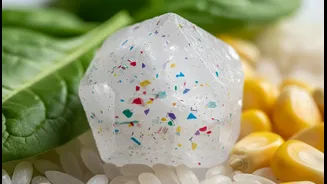
It’s an unsettling reality: microplastics are now ubiquitous. These plastic particles, smaller than five millimetres, come from the breakdown of larger plastic items and have found their way into our air, water, and food chain. A recent study by the environmental
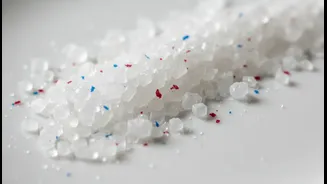
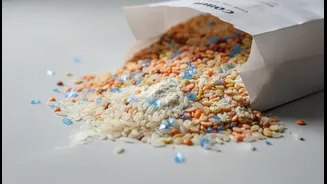
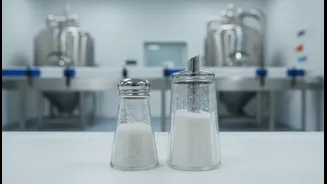
organisation Toxics Link sent shockwaves through India, revealing that 100% of tested salt and sugar samples from popular brands contained microplastics. The particles were found in various forms, including fibres, films, and fragments, confirming that this is not a niche problem but a widespread contamination issue affecting core ingredients in every Indian kitchen.
Salt, Sugar, and Contamination
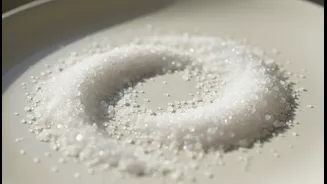
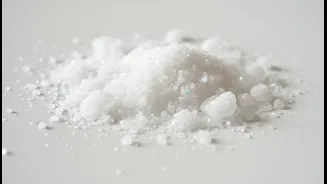
The study found that contamination levels vary significantly between product types. For salt, the concentration of microplastics ranged from 6.71 to 89.15 pieces per kilogram. Alarmingly, common iodised table salt contained the highest amounts of microplastics. In contrast, organic rock salt showed the lowest levels of contamination. Sea salt, once prized for its natural origins, is also of concern as it is sourced from oceans heavily polluted with plastic waste. For sugar, microplastic counts ranged from 11.85 to 68.25 pieces per kilogram, with non-organic refined sugar containing the highest concentration.
An Evolving Health Concern
While the presence of microplastics is confirmed, the direct, long-term impact on human health is still an area of active research. Scientists are concerned because these particles can carry toxic substances and have been found in human blood, lungs, and even artery plaque. Some studies have associated the presence of microplastics in arteries with a higher risk of heart attack and stroke. For clean-eating enthusiasts, the approach is not to wait for definitive proof of harm but to apply the precautionary principle by minimising exposure wherever possible.
Smart Swaps: Choosing Your Salt
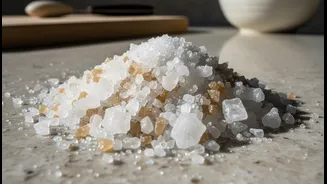
The most effective filtering method for a consumer is choosing a different product. Given that research points to lower contamination in certain types, clean-eating followers are making strategic swaps. The key takeaway from recent studies is to favour rock salt (sendha namak) over iodised or sea salt. Studies consistently show that rock salts, which are mined from ancient, unpolluted geological deposits, contain significantly fewer microplastic particles than salts derived from modern seawater. While no salt is entirely free of microplastics, opting for rock salt appears to be the most reliable way to lower your intake from this source.
Decoding the Sugar Aisle
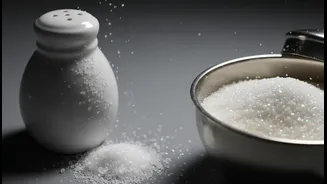
The logic for sugar is similar: less processing may lead to less contamination. The Toxics Link study noted that non-organic, highly processed sugar had the highest microplastic content. This has led many health-conscious consumers to gravitate towards less-refined sweeteners. While specific data on traditional Indian sweeteners like jaggery (gur) or khaandsari is still emerging, the general principle is that the more stages of industrial processing and packaging a food goes through, the more opportunities there are for plastic contamination. Choosing organic sugar and less processed alternatives from trusted sources may help reduce exposure.
Beyond the Kitchen: Broader Strategies
True filtering goes beyond just salt and sugar. Clean-eating enthusiasts are adopting a holistic approach to reducing plastic exposure. This includes avoiding heating food in plastic containers, as heat can cause plastics to leach into food. Many are switching to glass or stainless steel for food storage and water bottles. Using wooden cutting boards instead of plastic ones is another simple change, as knives can scrape tiny plastic particles into your food. These habits, while small, contribute to a larger strategy of minimising the daily ingestion of plastics from all sources, not just seasoning.