



A gallery wall does more than fill a blank space; it tells your story. A vintage-inspired collection, in particular, adds a layer of history and personality that makes a house feel like a home, collected and loved over many years.
Mix Frames for a Collected Look
The fastest way to achieve
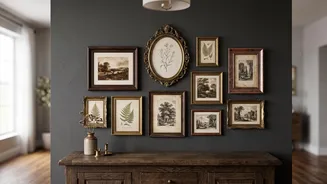
a vintage feel is to abandon the idea that all your frames must match. A truly authentic vintage gallery wall looks like it was assembled over decades, with pieces found at different times and places. Combine ornate, gilded frames with simple, dark wood and thin metal ones. The variety in texture, shape, and finish is what creates character. Look for frames at thrift stores and flea markets. Don't worry about minor imperfections; a few scuffs or faded finishes add to the charm. To keep the collection from looking chaotic, try to stick to a limited palette of frame finishes, such as antique gold, walnut, and black. This creates a sense of unity while still celebrating the eclectic mix.
Incorporate Objects and Textiles
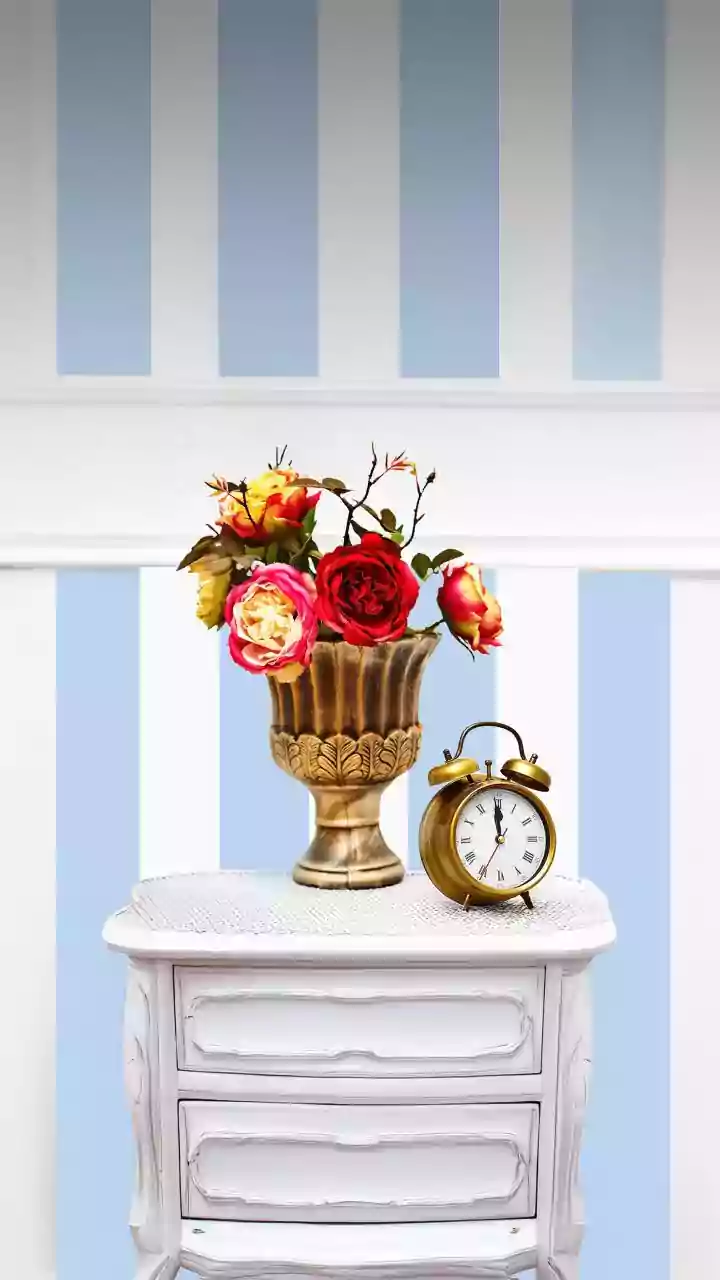
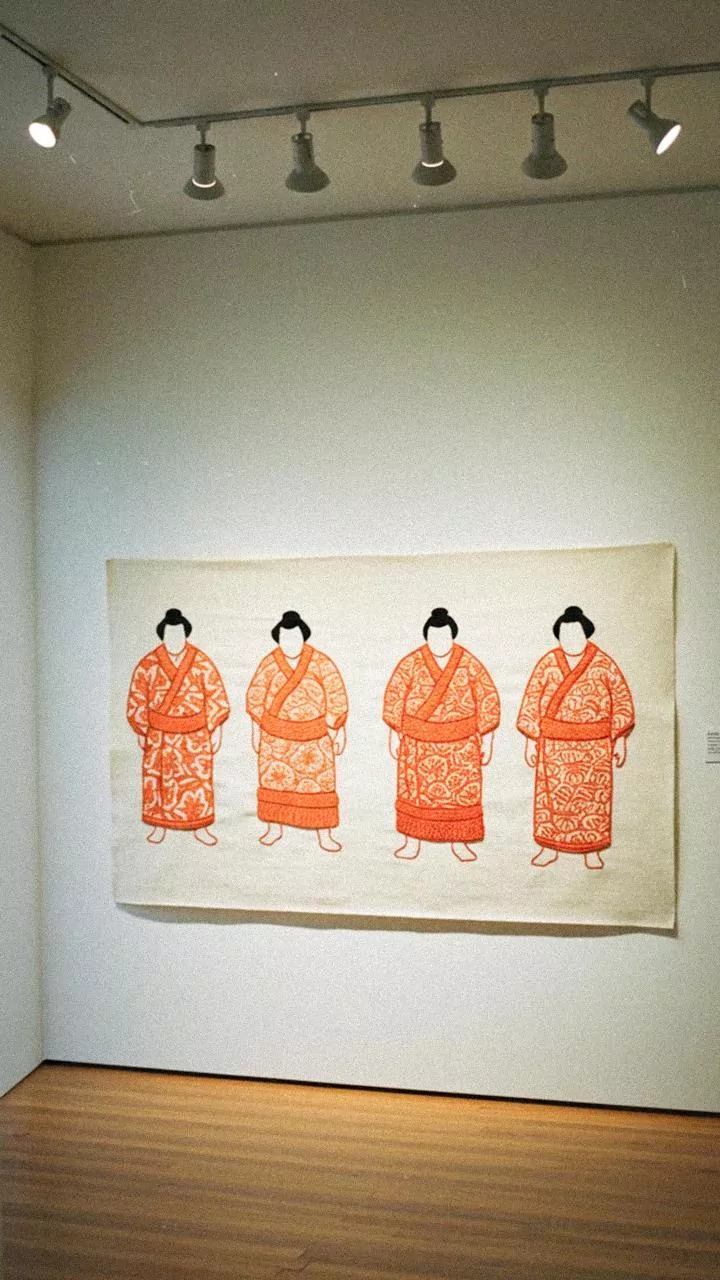
A vintage gallery wall shouldn't be limited to just prints and paintings. Integrating three-dimensional objects adds depth and immense personality, turning the wall into a true curio collection. Consider adding small, antique mirrors with interesting shapes, old clocks, vintage keys, or even decorative plates. These items break up the flatness of a traditional picture wall and create focal points. You can also incorporate textiles, such as a beautiful swatch of vintage fabric, a small embroidery piece, or even pressed flowers and ferns in floating frames. These elements introduce different textures and materials, enhancing the wall's layered, collected-over-time aesthetic. The key is to choose objects that tell a part of your story or simply delight your eye.
Curate a Cohesive Theme or Palette
While the frames and objects may be eclectic, a successful vintage gallery wall often has an underlying theme or a disciplined colour palette that ties everything together. This helps the arrangement feel intentional rather than random. A theme could be as simple as botanical illustrations, featuring a mix of ferns, floral drawings, and scientific prints. Another popular theme is travel, using antique maps, old postcards, and sepia-toned photos from different places. Alternatively, you can unify the wall with colour. Choose artwork with a consistent tonal quality, such as warm, muted earth tones, faded blues, or classic black and cream. This ensures that even disparate subjects and styles will feel harmonious together.
Embrace the 'Salon Style' Hang
Forget rigid grids and perfect symmetry. The quintessential vintage look is the 'salon style' hang, which dates back to 17th-century Parisian salons where art was displayed from floor to ceiling. This approach involves grouping art in a dense, clustered arrangement that feels organic and full of energy. Start by laying out your collection on the floor to find a balance before putting any nails in the wall. Typically, you begin with a central, larger anchor piece hung at eye level and then build outward. The spacing between frames doesn't have to be perfectly uniform, but keeping it relatively consistent (around two to three inches) helps the collection read as a single, cohesive unit. This slightly imperfect, crowded hang is what gives the wall its distinctive, historic charm.
Mix High and Low, Old and New
A vintage gallery wall feels most authentic when it mixes different types of art. Don't be afraid to place a fine art print next to a personal family photo, or a vintage oil painting reproduction alongside a modern sketch. Fearlessly mixing 'high and low' art—like a flea-market find next to a curated print—is what gives a wall personality. To keep it budget-friendly, you can mix a few authentic vintage pieces with more affordable modern reproductions or digital downloads of public domain art. The key to making this mix work is contrast and balance. A modern, minimalist print can look stunning in an ornate vintage frame. This juxtaposition not only adds visual interest but also prevents the room from feeling like a time capsule, instead creating a space that is both timeless and personal.