


The Heart of Polenta
At its core, polenta is simply cornmeal boiled in water, stock, or milk until it thickens. Historically a staple food in Italian peasant cuisine, it was made from various grains before corn arrived from the Americas in the 16th century. Its gentle, slightly
sweet corn flavour makes it an incredibly versatile base, ready to be served soft and comforting or cooled, sliced, and cooked again for a delightful textural contrast. The secret to its dual personality lies entirely in how you prepare and serve it.
Choosing the Right Cornmeal
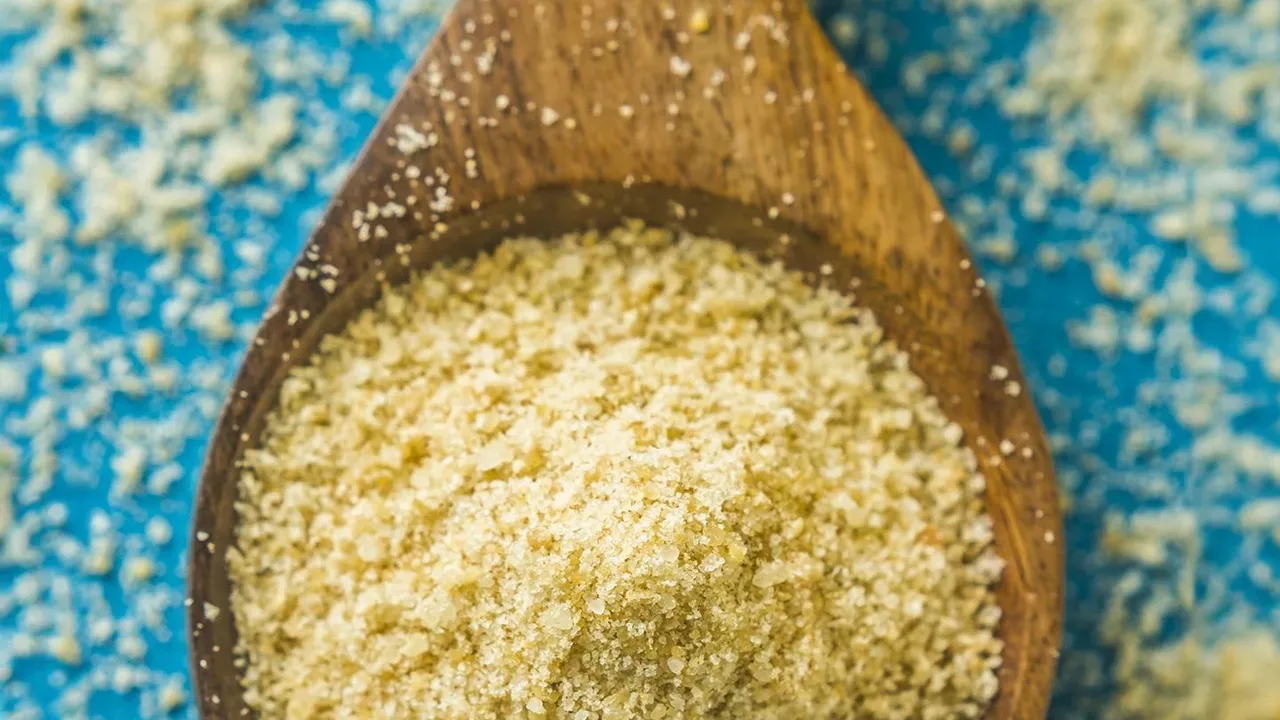
A walk down the supermarket aisle might present you with a few options. 'Polenta' is often just another name for medium or coarse-ground yellow cornmeal. The grind size is key: a finer grind results in a smoother, creamier polenta, while a coarser grind gives a more rustic, textured result. You might also see 'instant' or 'quick-cook' polenta, which is pre-cooked and ready in minutes, making it a convenient option. Traditional polenta requires more time and stirring but is prized for its superior flavour and texture.
Mastering Soft and Creamy Polenta
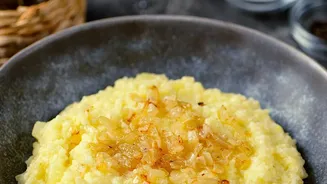
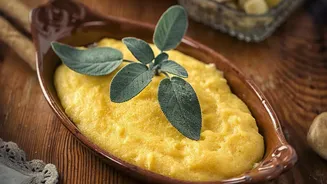
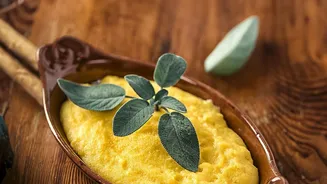
For a luscious, spoonable polenta, the ratio of liquid to cornmeal is crucial. A good starting point is four or five parts liquid to one part polenta. You can use water, but chicken or vegetable stock adds a savoury depth, and a splash of milk contributes to the creaminess. Bring your liquid to a boil, then lower the heat and pour in the polenta in a slow, steady stream while whisking constantly to prevent lumps. Cook on low heat, stirring frequently with a wooden spoon, for anywhere from 25 to 50 minutes, depending on the grind. The polenta is ready when the grains are soft and it pulls away from the sides of the pot. Stir in a generous knob of butter and a handful of grated Parmesan cheese for a rich, classic finish.
Serving Creamy Polenta
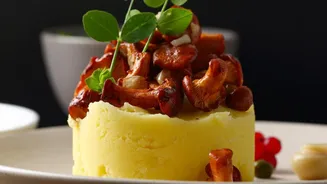
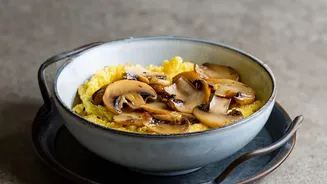
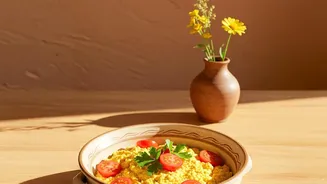
Think of creamy polenta as a blank canvas. It's the perfect bed for rich, saucy toppings. Serve it in a warm bowl topped with a hearty beef ragù, earthy sautéed mushrooms, or a simple stew of tomatoes and beans. It can take the place of mashed potatoes, rice, or pasta in almost any meal. For a simple but elegant dish, a drizzle of good olive oil, more Parmesan, and a grinding of black pepper is all it needs.
The Magic of Set Polenta
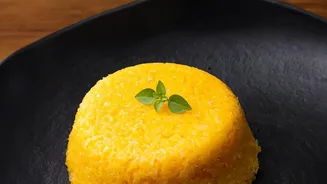
Any leftover creamy polenta can be transformed. To make firm polenta intentionally, you can use slightly less liquid (a ratio of about 3.5 or 4 to 1). Once cooked, pour the hot polenta into an oiled baking dish or tray, spreading it into an even layer about two centimetres thick. Let it cool completely, then cover and refrigerate for at least two hours, or overnight, until it's firm and solid. This firm block is your starting point for a whole new world of crispy delights.
Grilling and Frying for Golden Bites
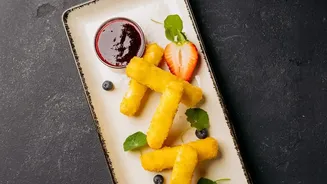
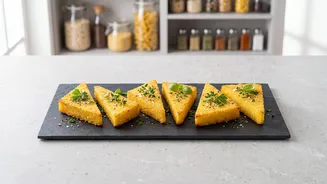
Once your polenta is fully set, turn it out onto a cutting board and slice it into squares, triangles, or thick sticks. To grill, brush the slices with olive oil and place them on a hot, clean grill. Cook for 3-5 minutes per side, until you have beautiful grill marks and the outside is crisp. For pan-frying, heat a bit of oil or butter in a non-stick skillet and fry the slices until they are golden brown and crunchy on both sides. You can also toss polenta 'chips' in oil and spices and bake them in a hot oven until crispy.
The Ultimate Appetizer or Side
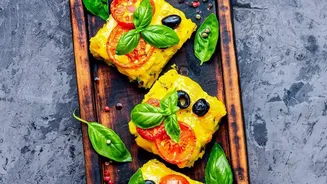
Crispy polenta bites are fantastic party food. Serve grilled rounds topped with a simple tomato bruschetta, a slice of fresh mozzarella and basil, or a dollop of pesto. They can be used as a gluten-free 'crostini' for all sorts of toppings, from cured meats and cheeses to creamy dips. They also make a wonderful side dish, offering a satisfying crunch next to a grilled steak or roasted chicken.