



The Produce Section Is a Local Calendar
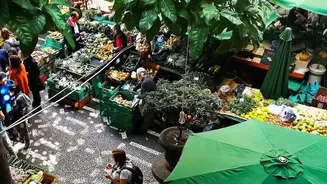
The first stop on this cultural tour is the produce section. What you find here—and what you don’t—tells a story about the region's climate, agriculture, and relationship with seasons. In many parts of the world, shopping is dictated by what’s currently
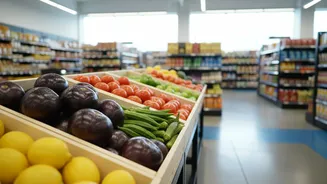
being harvested nearby. In Japan, for instance, perfectly formed strawberries or expensive melons might be presented like luxury goods, reflecting a deep cultural value placed on quality and presentation. In contrast, markets in Thailand or Vietnam overflow with heaps of fresh herbs and tropical fruits, showcasing a cuisine built around fresh, daily ingredients. This is a stark contrast to a large North American supermarket, where you might find Chilean grapes in December, a testament to global supply chains but a detachment from the local environment.
Reading the Aisles Like a Book
Beyond fresh food, the packaged goods on shelves reveal a community’s flavour profile and comfort foods. The snack aisle is a particularly potent chapter in this story. While crisps are nearly universal, the flavours are intensely regional: you might find chicken-flavoured chips in France or anchovy and olive oil varieties in coastal Spain. The sheer variety of one product category can be telling. An entire aisle dedicated to different types of pasta in Italy or a dizzying array of hot sauces in Mexico points to culinary cornerstones. These shelves also tell tales of history and migration. The “international” aisle can be just as insightful, showing how foods from other cultures are integrated and perceived locally.
A Hub of Community Life
A grocery store is more than a transactional space; it's often a subtle social hub. In many smaller towns, it's where neighbours catch up, share gossip, and connect. Notice the community bulletin board, often papered with flyers for local events, services, and school fundraisers. These are the quiet heartbeats of a neighbourhood. Even the checkout process can be revealing. Is it a hurried, anonymous scan-and-go system designed for maximum efficiency, or is it a slower-paced interaction where the cashier knows customers by name? The layout itself speaks volumes: wide aisles and giant carts suggest a car-dependent culture of weekly bulk buying, while smaller baskets and narrower spaces point to a community of walkers who shop more frequently for fresh items.
An Economic and Social Barometer
Unlike tourist districts where prices can be inflated, a grocery store offers an unfiltered look at the local economy. The cost of staples like eggs, bread, and milk provides a real-world glimpse into the cost of living. For immigrant communities, ethnic grocery stores are even more vital. They are not just places to buy familiar ingredients that taste like home, but they are crucial cultural pillars. These shops often serve as safe spaces where one can hear their mother tongue, find traditional remedies, and feel a sense of belonging that might be absent in larger, mainstream supermarkets. They are anchors of identity, preserving cultural heritage one meal at a time.