
Five Easy Herbs to Get Started
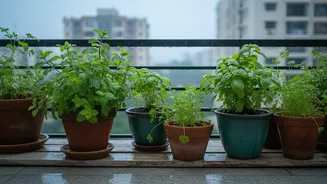
Choosing the right plants is the most crucial first step. For Indian climates and beginner gardeners, some herbs are more forgiving than others. Start with these five staples: Tulsi (Holy Basil) is revered in many households and is incredibly easy to
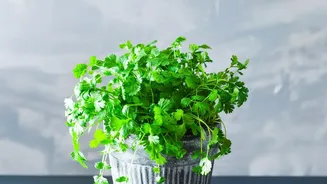
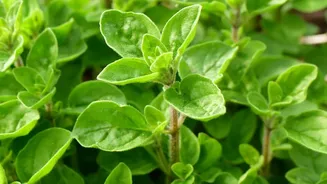
maintain; it just needs regular watering and moderate sunlight. Mint (Pudina) grows vigorously and is perfect for drinks and chutneys, but it is best to keep it in its own pot to prevent it from taking over. Coriander (Dhania) is a kitchen essential that can be grown from seeds in cycles for a continuous supply. Curry Leaves (Kadi Patta) might start slow, but once established, this small bush will provide flavour for years. Finally, Lemongrass is wonderfully aromatic, helps repel mosquitoes, and thrives in pots with plenty of sun.
Gathering Your Supplies
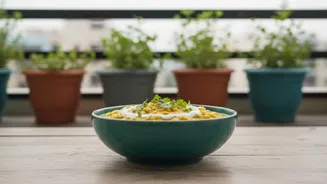
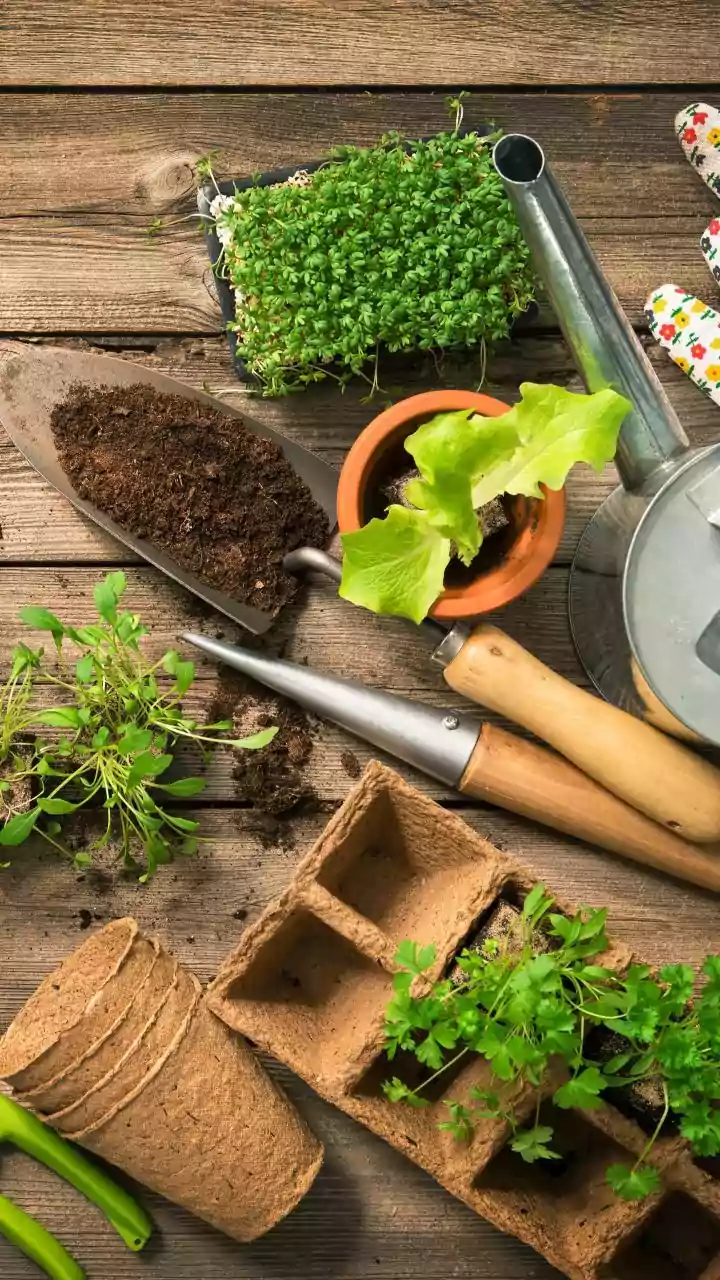
You do not need a lot of expensive equipment to begin. Your basic toolkit includes pots, soil, and a watering can or bottle. When choosing pots, ensure they have drainage holes at the bottom. This is non-negotiable, as waterlogged soil will lead to root rot and kill your plants. Terracotta pots are excellent as they are porous, but any container of a suitable size will work. For the soil, avoid using dense garden soil. Instead, opt for a light, well-draining potting mix, which you can buy premixed or create yourself by combining soil, cocopeat, and compost. This combination ensures roots get the air and nutrients they need without becoming waterlogged.
A Simple Guide to Planting
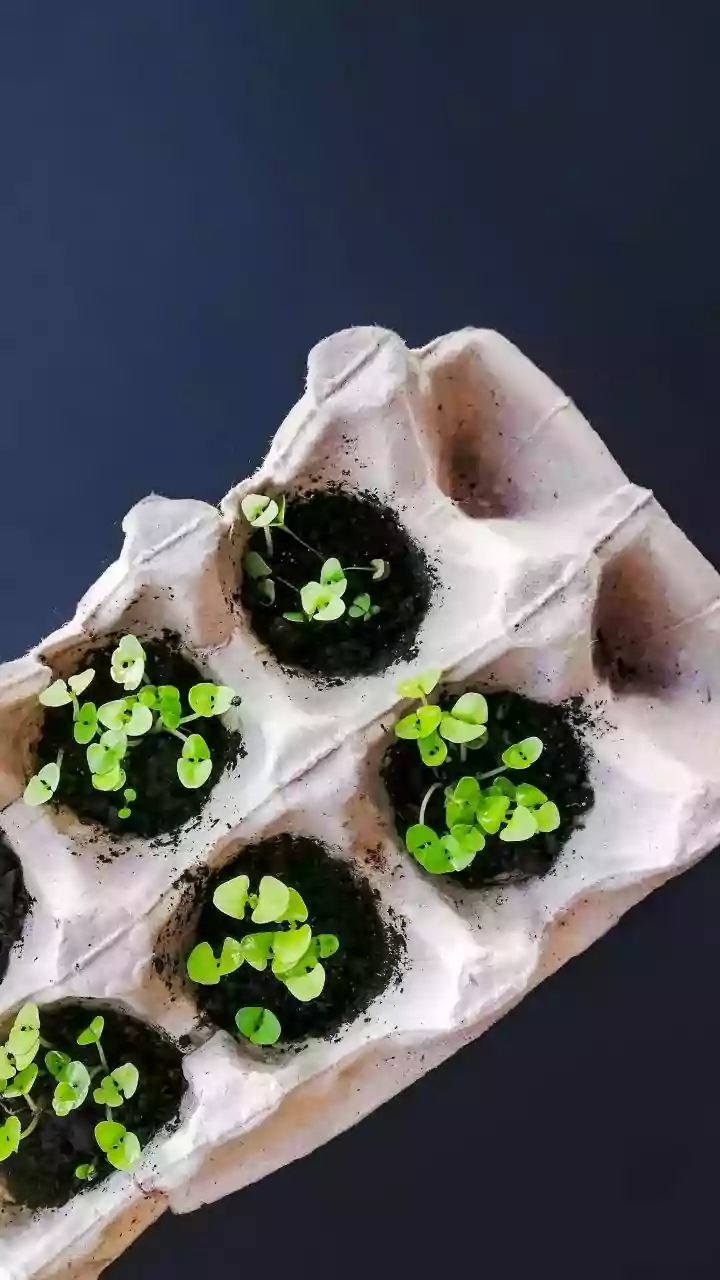
Once you have your supplies, it is time for the fun part. If you are using seeds, like with coriander, fill your pot with the potting mix, leaving about an inch from the top. Lightly scatter the seeds and cover them with a thin layer of soil. For saplings like tulsi or mint, gently remove the plant from its nursery bag, being careful not to damage the roots. Place it in the center of your new pot, fill the surrounding space with your potting mix, and press down gently to secure the plant. Water your newly potted herb thoroughly until you see water coming out of the drainage holes. Place the pot in a spot where it will receive the right amount of light.
Daily Care: Sun, Water, and Food
The three pillars of plant care are sunlight, water, and nutrients. Most herbs, including basil, thyme, and lemongrass, thrive in full sun, which means about 4 to 6 hours of direct light daily. Mint and coriander can manage with partial shade. The biggest mistake beginners make is overwatering. Before you water, stick your finger about an inch into the soil. If it feels dry, it is time to water; if it feels moist, wait another day. As for food, the compost in your potting mix will provide initial nutrients. After a month, you can feed your plants with a diluted liquid fertiliser or some fresh compost every few weeks to encourage lush growth.
Harvesting and Enjoying Your Herbs
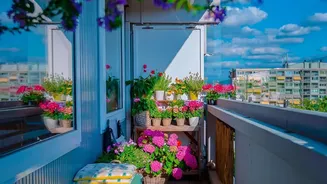
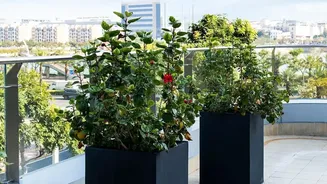
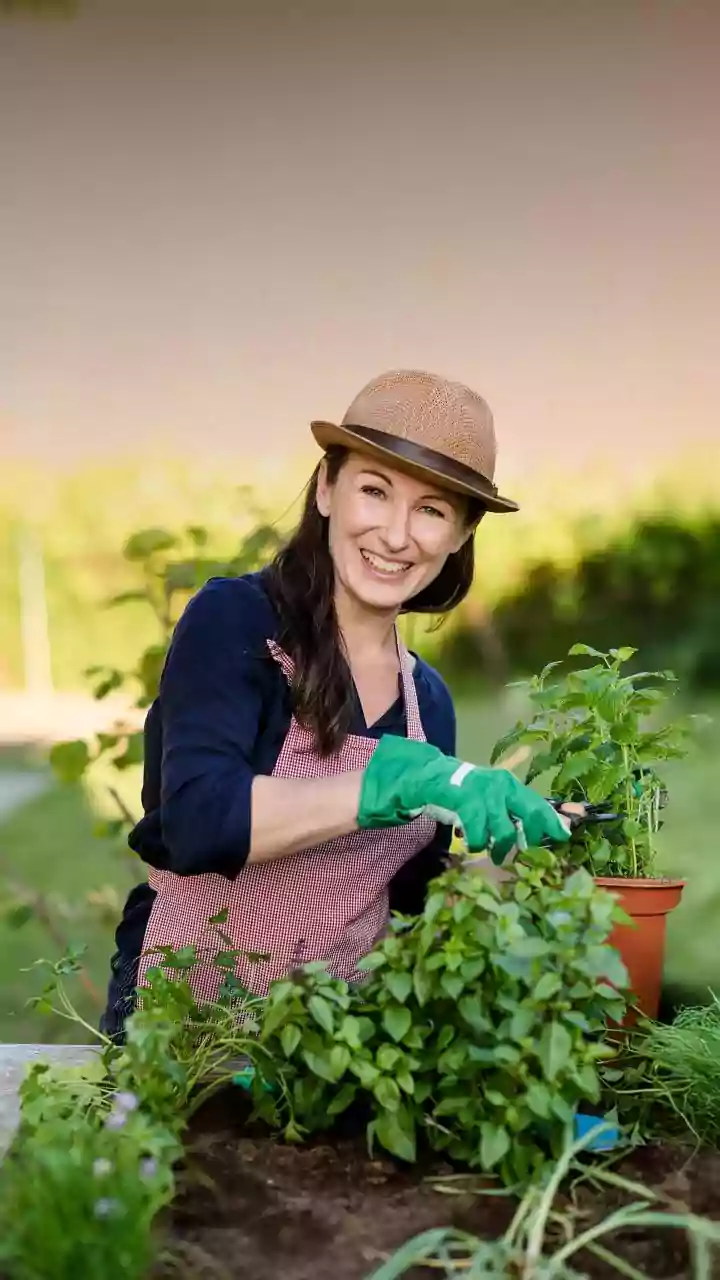
The reward for your efforts is a fresh, flavourful harvest. Regular harvesting actually encourages many herbs to grow back fuller and bushier. For leafy herbs like mint and basil, you can snip off the top leaves as needed. A good rule of thumb is to never harvest more than one-third of the plant at a time to ensure it remains healthy and productive. For coriander, you can cut the outer leaves first, allowing the inner leaves to continue growing. Enjoy the vibrant taste and aroma that only homegrown herbs can provide, and take pride in the green oasis you have created on your balcony.