





The Versatile Gourd Family (Lauki, Turai, Karela)
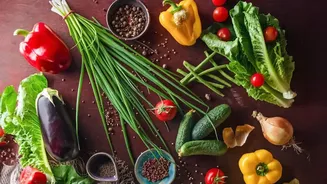
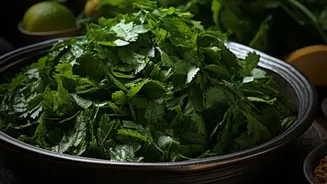
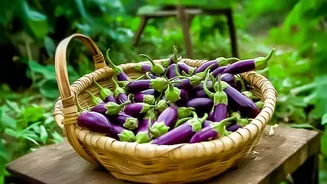
The monsoon season is the prime time for a variety of gourds. Bottle gourd (lauki), ridge gourd (turai), and even the divisive bitter gourd (karela) are at their best right now. These vegetables are light, easy to digest, and have a high water content,
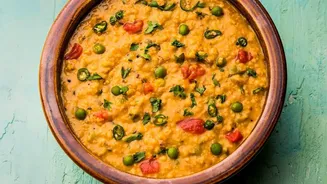
making them ideal for the monsoon when digestion can be sluggish. Ayurveda particularly recommends these vegetables during 'Varsha Ritu' (the rainy season) to help balance the body. Lauki is excellent in simple curries or koftas, turai adds a subtle sweetness to dals, and karela, known for its numerous health benefits including blood sugar regulation, can be stir-fried with spices to temper its bitterness.
Earthy and Essential Corn (Bhutta)
The sight and smell of roasted corn on the cob, or bhutta, is synonymous with the Indian monsoon. This seasonal superstar is not just a nostalgic treat; it's packed with nutrients. Corn is a good source of fibre, which aids gut health, along with B vitamins and antioxidants. Street vendors often roast it over coals and season it with lime juice, salt, and chilli powder, a simple preparation that brings out its natural sweetness. At home, it can be boiled and used in salads, chaats, or savoury pancakes.
Juicy and Tart Jamun (Indian Blackberry)
Jamun is a quintessential monsoon fruit, celebrated for its unique sweet and tart flavour. Available for a short period, it's a fruit worth seeking out in August. It has a low-calorie count and is rich in iron, potassium, and vitamins. Traditionally, Jamun is known to be beneficial for various health conditions. Its deep purple hue indicates a high concentration of antioxidants. Enjoy them fresh with a sprinkle of black salt, or use them to make a refreshing juice or sorbet.
The Humble Okra (Bhindi)
Okra, or bhindi, is a staple in Indian kitchens that thrives in the warm, humid conditions of the monsoon. Sown during June and July, it is available in abundance through August. This versatile vegetable can be prepared in countless ways — from a simple stir-fry (bhindi fry) to being stuffed with spices (bharwa bhindi) or added to sambar. Okra is a good source of fibre and nutrients, and cooking it fresh ensures you get a delightful texture that isn't slimy.
Plums, Peaches, and Pears
While often associated with other climates, a variety of stone fruits like peaches and plums, along with pears, make a welcome appearance during the Indian monsoon. These fruits are rich in vitamins and antioxidants that help boost immunity, which is crucial during a season known for infections. Pears, in particular, are high in fibre and have a low-calorie count, making them a great choice for a healthy snack. Their crisp texture and mild sweetness offer a refreshing contrast to the often heavy, fried foods we crave in rainy weather.
Warming Spices: Ginger and Turmeric
Beyond fruits and vegetables, the monsoon is the ideal time to increase your intake of warming, digestive spices. Ginger, garlic, and turmeric are particularly beneficial. Their anti-inflammatory and antibacterial properties can help support the immune system and aid digestion. Ayurvedic tradition strongly recommends using these spices in daily cooking during the rains. A warm cup of ginger tea, adding fresh turmeric to dals, or using garlic in soups are all simple ways to incorporate these flavourful and functional ingredients into your diet.