




More Than Just a Meal
The restaurant experience has evolved from a simple act of eating into a form of entertainment and engagement. Today’s diners are looking for immersive experiences that create a deeper emotional connection to their meals. It’s a move from passive consumption
to active participation in a culinary story. This isn't just a fleeting trend but a new standard in hospitality, where the narrative becomes the first course. Whether it’s a chef’s personal journey, the origin of an ingredient, or the history of the recipe itself, these stories transform a meal into a memorable event.
The Psychology of Provenance
There's a science to why a story can make food seem more appealing. Humans are naturally wired for connection, and storytelling is a powerful way to forge that bond. When you learn that your fish was caught by a specific fisherman or the vegetables were sourced from a local farm that morning, it creates a sense of authenticity and trust. This knowledge, known as provenance, does more than just inform; it enhances the perceived value and can even influence how we taste the food. A 2023 study found that storytelling can indeed enhance taste perception, particularly when it creates a sense of transportation for the consumer. It makes the diner feel like part of a larger, more meaningful narrative.
Chefs as Modern-Day Storytellers
Chefs and restaurateurs are embracing their roles as narrators, weaving stories into every aspect of the dining experience. Menus are being transformed from simple lists into narrative journeys, with evocative descriptions that spark curiosity. For example, a dish might be described not just by its ingredients, but with an anecdote about being a reimagined family recipe or inspired by a chef's travels. This approach is a key tool for chefs to share their vision and inspiration. Staff are also crucial, trained to be storytellers who can share the details behind each dish, creating a personal connection with guests and making them feel valued.
An Indian Renaissance
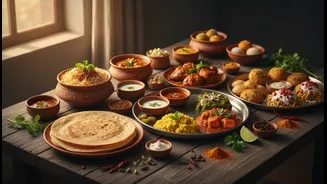
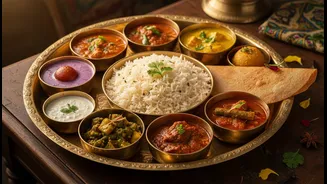
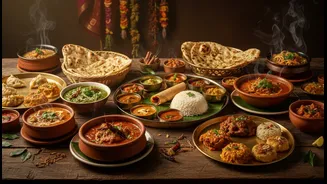
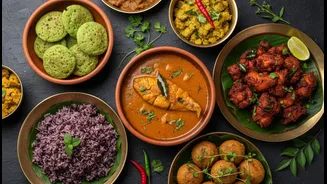
In India, this trend feels less like an import and more like a return to roots. Indian cuisine is inherently rich with stories, from the accidental invention of Butter Chicken in Delhi to the 5,000-year-old tradition of tandoor cooking. Food has always been deeply connected to region, community, and heritage. Today, contemporary Indian restaurants are reviving this tradition in a modern context. They celebrate hyperlocal ingredients and forgotten recipes, telling the story of India's diverse culinary landscape. Brands and restaurants are highlighting authentic flavours and the rich history behind their dishes, understanding that for the Indian diner, food is always more than just sustenance—it's a celebration of culture.
Beyond the Restaurant Walls
The appetite for narrative isn't confined to fine dining. It extends to the products we buy and the food content we consume. Younger consumers, in particular, demand transparency and authenticity from brands. A 2020 study by Innova Market Insights reported that 56% of global consumers say brand stories influence their purchasing decisions. From artisanal cheese makers sharing their process to major brands highlighting their heritage, storytelling creates an emotional bond that builds loyalty. It helps a brand stand out in a crowded marketplace by giving consumers a reason to engage and a narrative to connect with.