




From Hobby to Home Strategy
The days of randomly picking up a pot from a nursery are fading. For a growing number of urban Indians, indoor gardening is no longer a casual hobby but a deliberate design choice. As apartment footprints in metros like Mumbai, Bengaluru, and Delhi continue
to shrink, floor space has become a precious commodity. This constraint has sparked a creative shift: instead of collecting plants haphazardly, people are curating them. The new approach is about maximising greenery and well-being in minimal square footage. This trend, often linked with biophilic design—the concept of connecting with nature indoors—is about making every plant count. It’s a move towards a thoughtful, edited collection that enhances the home environment without creating clutter.
Choosing Plants That Perform
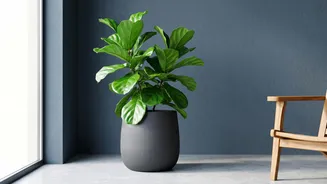
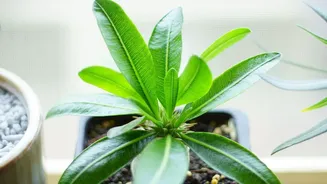
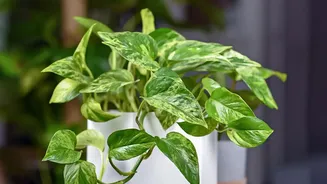
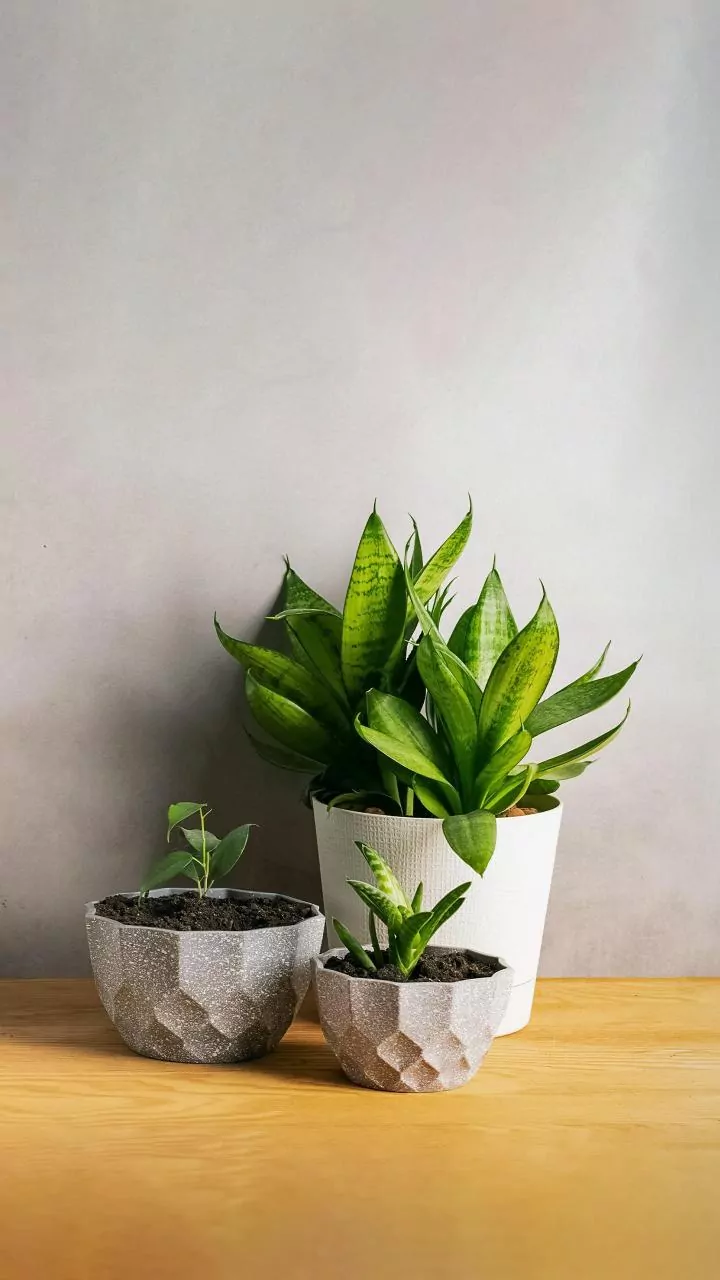
Today's selective plant parent wants more than just a pretty leaf. The focus is on 'performance' plants that offer tangible benefits. Topping the list are air-purifying varieties recommended by studies for their ability to filter common indoor toxins. The almost indestructible Snake Plant, which releases oxygen at night, has become a bedroom staple. The Areca Palm is popular not just for its tropical look but also for its ability to act as a natural humidifier in dry, air-conditioned rooms. Other favourites include the low-maintenance ZZ Plant, which thrives in low light, and the ever-popular Money Plant (Pothos), known for tackling pollutants like formaldehyde and carbon monoxide. This selective approach ensures that plants are not just decorative but are actively working to create a healthier living space.
Thinking Vertically, Not Horizontally
When you can't build out, you build up. This is the core principle of strategic indoor gardening in small Indian homes. Vertical gardening is now a mainstream solution, transforming bare walls into living tapestries of green. Instead of crowding the floor, gardeners are using hanging baskets for trailing plants like Pothos and Spider Plants, mounting planters on walls, and using tiered stands to stack multiple pots in a single corner. Railing planters have become a balcony essential, allowing for an explosion of flowers or herbs without sacrificing a single inch of precious floor space. These methods are not just space-savers; they are design statements that draw the eye upward and create an immersive feeling of being surrounded by nature.
The Rise of the Edible and Creative Garden
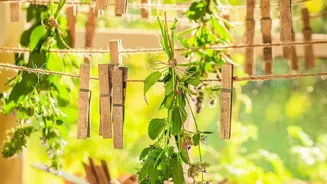
The strategic approach also extends to function and creativity. Kitchen herb gardens are booming, with city dwellers growing essentials like tulsi, mint, and coriander on sunny windowsills or in compact countertop kits. This provides fresh, pesticide-free ingredients at arm's reach and adds a functional layer to home greenery. Alongside this, creative and contained green ecosystems are gaining popularity. Terrariums—miniature gardens within glass containers—offer a self-sustaining, low-maintenance way to enjoy a small landscape. These trends reflect a deeper desire for connection: to our food, to nature, and to the creative process of nurturing life, no matter how small the scale. It's about finding joy and utility in every green corner.