


More Than a Sweet Celebration
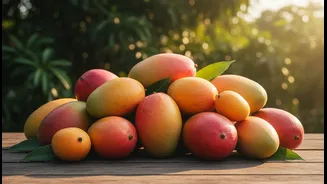
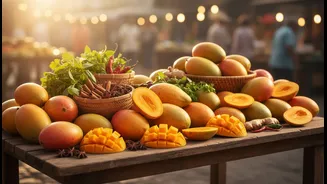
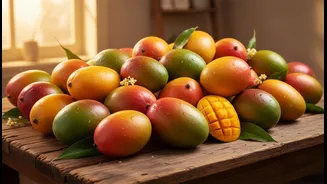
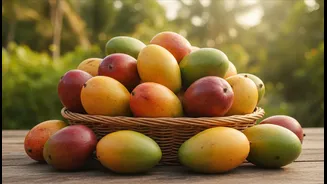
From Delhi to Lucknow and Bengaluru, mango festivals are a vibrant fixture in India's cultural calendar. They are sensory extravaganzas, where hundreds of varieties create a kaleidoscope of colour, smell, and taste. These events bring together farmers,
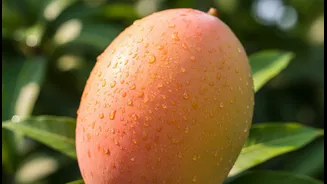
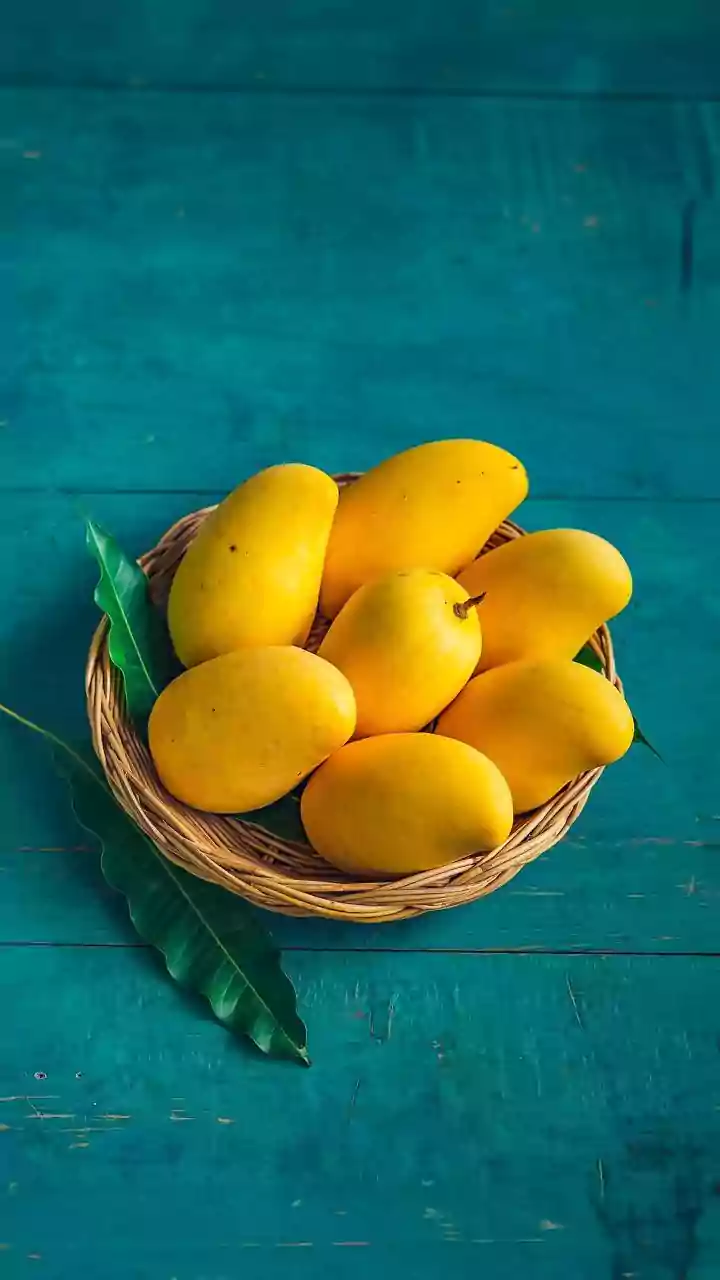
food lovers, and families, celebrating the undisputed 'king of fruits'. More than just a marketplace, these festivals are a homage to a fruit deeply woven into India's cultural fabric, from its mention in ancient texts to its role in family traditions and summer memories. They provide a platform for growers to connect directly with consumers, showcasing the astonishing diversity of a fruit that has flourished on the subcontinent for thousands of years.
A Harvest Under Threat
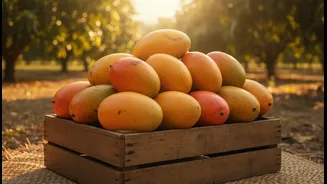
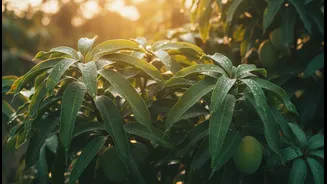
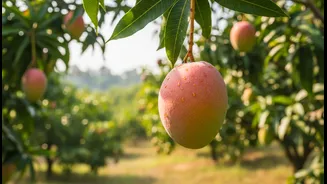
This cherished seasonal ritual is facing a growing uncertainty. Across India's famed mango belts, from Uttar Pradesh to Maharashtra, farmers are witnessing the slow unravelling of a once-dependable agricultural cycle. Climate change is no longer a distant threat; its impact is being felt in orchards through erratic weather patterns, including unseasonal rains, intense heatwaves, and strong winds. These changes disrupt the precise conditions mango trees need for flowering and fruiting. Studies have shown that even a one-degree Celsius rise in minimum temperature during the maturing phase can reduce yields by as much as 11 percent, threatening the livelihoods of millions who depend on the crop.
Guardians of Mango Diversity
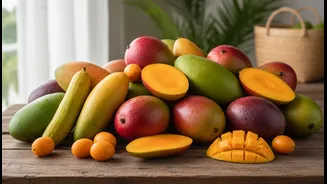
This is where the role of mango festivals becomes critical for culinary heritage. Amid the familiar names like Alphonso and Langra, these festivals often showcase hundreds of lesser-known, heirloom varieties. India is home to over a thousand mango varieties, many of which are non-commercial types passed down through generations. These traditional varieties, such as Karuppatti Kai or Panchavarnam, are often more resistant to local pests and abiotic stresses. However, with the dominance of a few commercial types, this incredible biodiversity is at risk of vanishing. Festivals act as living libraries, introducing consumers to these unique flavours and creating a market for them, which in turn encourages farmers, often called 'custodian farmers', to continue cultivating these precious links to our past.
A Hub for Resilient Farming
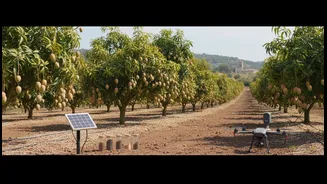
Beyond preservation, mango festivals are becoming crucibles for climate-resilient agriculture. They are evolving into platforms where farmers, scientists, and agricultural experts can exchange vital knowledge. At many of these events, workshops on organic farming, water conservation, and sustainable practices are now a common feature. Government agencies and NGOs use these gatherings to promote improved technologies and motivate farmers to produce quality mangoes for national and international markets. This interaction provides farmers with adaptation strategies to mitigate the effects of climate change, from adopting drought-resistant rootstocks to learning about better post-harvest management, ensuring the king of fruits has a kingdom to rule for years to come.