







Choose Your Destination Wisely
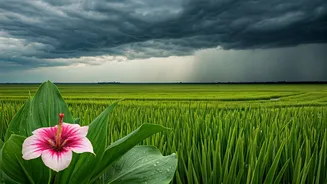
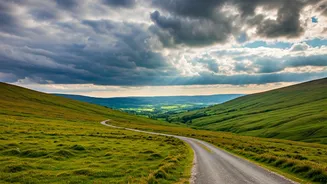
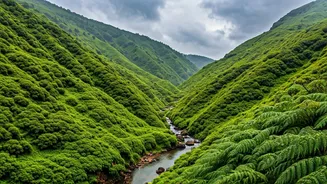
Not all of India is ideal for a July visit. While some areas are prone to flooding and landslides, others are at their absolute best. The Western Ghats, including destinations like Lonavala, Mahabaleshwar, and Coorg, come alive with vibrant greenery and full-flowing
waterfalls. Similarly, places in rain-shadow regions, like Ladakh and Spiti Valley, receive very little rainfall, making them perfect for adventure. Rajasthan's cities, such as Udaipur, also offer a unique charm as the rains fill the lakes and provide a respite from the desert heat. Conversely, it's wise to be cautious about regions known for extremely heavy rainfall or those susceptible to travel disruptions. Always check local weather forecasts and advisories before and during your trip.
Pack Like a Pro
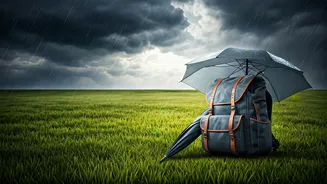
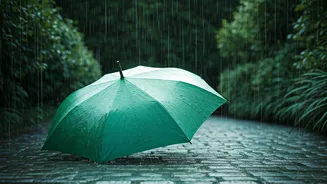
Your packing strategy can make or break a monsoon trip. Forget heavy cottons that take forever to dry; instead, opt for synthetic, quick-dry fabrics. A sturdy, windproof umbrella and a lightweight waterproof jacket are non-negotiable. For footwear, leave the leather shoes and flip-flops at home. Choose rubber sandals, floaters, or trekking shoes with a solid grip to navigate slippery surfaces. Another pro-tip is to pack a microfiber towel, which dries quickly and is very compact. To keep your clothes and valuables safe, use waterproof backpack covers or line your bag with a dry bag or even a simple plastic bag.
Keep Your Gadgets Safe and Dry
Humidity and rain are the enemies of electronics. The simplest and most effective way to protect your phone, camera, and other gadgets is by using waterproof pouches or zip-lock bags. For valuable items like laptops and cameras, investing in a dedicated waterproof dry bag offers peace of mind. It's also a good idea to carry a power bank, as power cuts can be more frequent during heavy rains. If you anticipate being in damp conditions often, throwing a few silica gel packets into your electronics bag can help absorb excess moisture.
Prioritise Health and Hygiene
The monsoon season can bring an increased risk of water-borne and mosquito-borne illnesses. To stay healthy, drink only bottled, boiled, or purified water. Be cautious with street food; opt for freshly cooked, hot meals from hygienic establishments to avoid stomach infections. Mosquitoes are rampant during this season, so a good insect repellent is essential. It's also wise to carry a basic first-aid kit containing essentials like antiseptic cream, bandages, and medications for common ailments like fever, cold, and stomach upset.
Build a Flexible Itinerary
Monsoon travel requires a go-with-the-flow attitude. Heavy rains can cause unexpected delays, from flight disruptions to road closures due to waterlogging or landslides. Instead of a jam-packed schedule, build buffer days into your itinerary. This flexibility allows you to wait out a heavy downpour without stress or take a spontaneous detour when a planned route is blocked. Sometimes, the best monsoon experiences come from unplanned moments, like sipping tea at a roadside stall while watching the rain.
Mastering Monsoon Road Trips
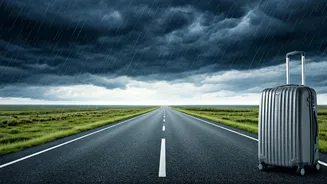
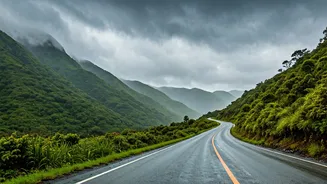
If you are planning a road trip, a few precautions are vital. Before you start, ensure your vehicle's tyres, brakes, and wipers are in excellent condition. On the road, reduce your speed and maintain a safe distance from the vehicle in front, as wet roads are slippery. Avoid driving through heavily waterlogged areas if possible. If you must, stay in a low gear and keep the engine revving to prevent water from entering the exhaust. Poor visibility is a major hazard, so always use your headlights (on low beam) in heavy rain or fog. It's also best to avoid driving at night if you can help it.