


Become a Smarter Shopper
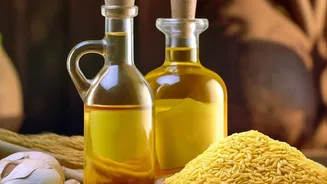
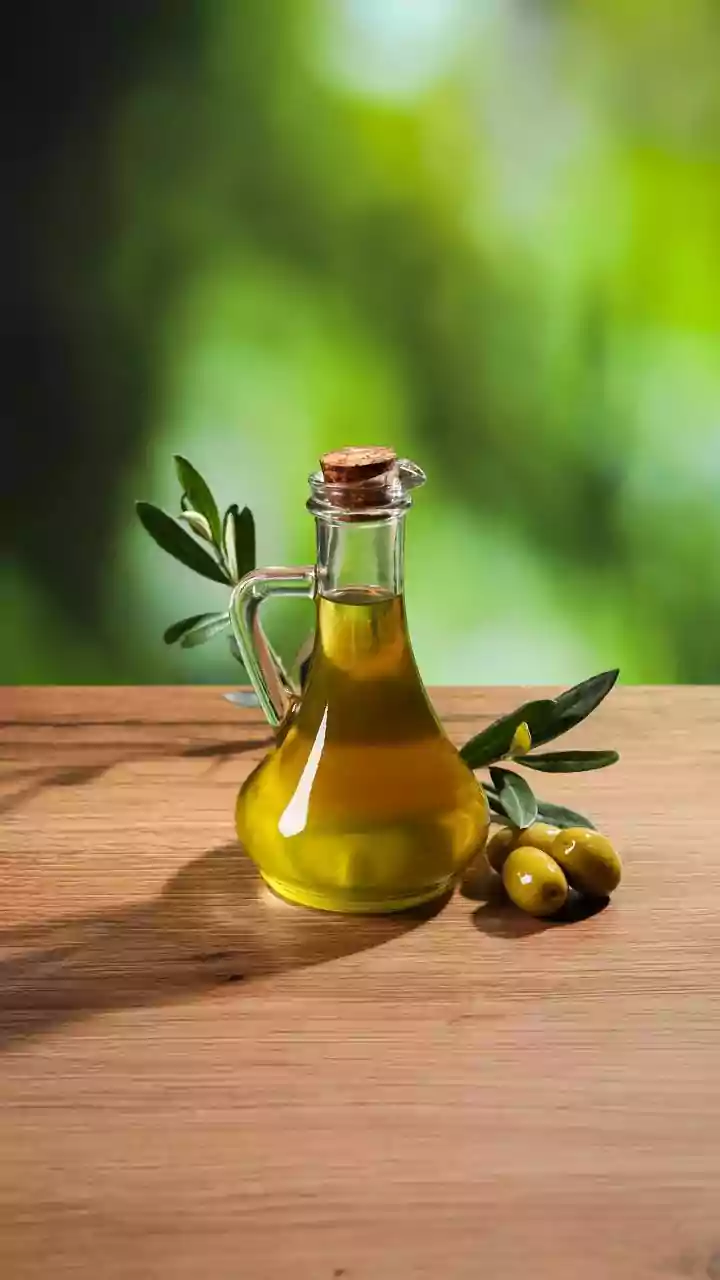
The first line of defence against rising costs is your shopping strategy. Keep an eye out for sales, and don't be afraid to switch between brands to take advantage of the best deals. Buying larger cans or pouches of oil is often more economical per litre
than smaller bottles, but only if you have a cool, dark place to store it properly and will use it before it expires. Also, consider the type of oil. Domestically produced oils like mustard, soybean, and sunflower oil are often more affordable than imported varieties. While cold-pressed oils offer health benefits, they are more expensive; using a mix of refined oil for high-heat cooking and a smaller amount of cold-pressed oil for flavour can be a good compromise.
Master Low-Oil Cooking Techniques
Rethinking your cooking methods can dramatically reduce your oil consumption. Investing in good non-stick or hard-anodized cookware is one of the most effective changes you can make, as it requires significantly less oil to prevent food from sticking. Instead of deep-frying snacks like samosas or pakoras, try baking or using an air fryer to achieve a similar crispy texture with a fraction of the oil. For gravies and sabzis, embrace techniques like steaming vegetables or pressure cooking dals, which require little to no oil.
Stop Free-Pouring and Start Measuring
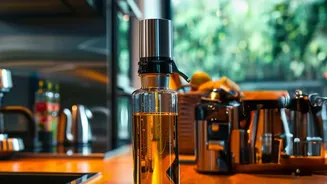
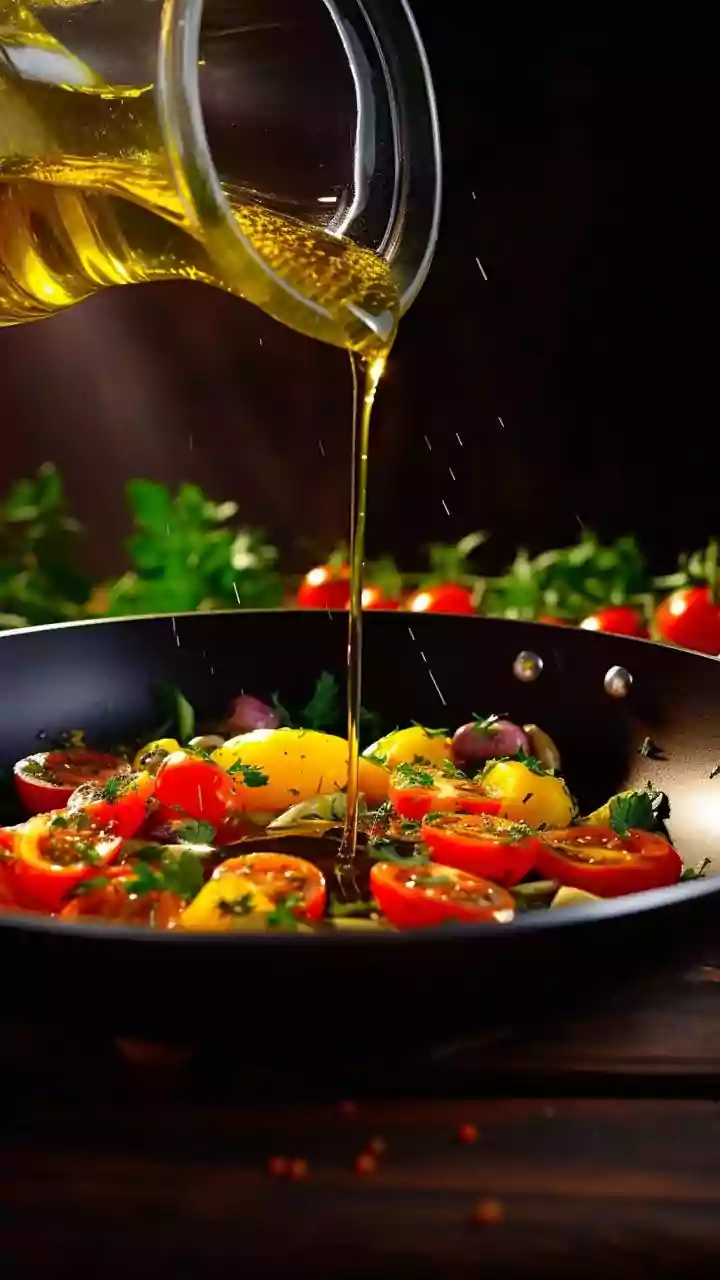
It’s a simple habit that makes a huge difference. Many home cooks pour oil directly from the bottle into the pan, often using far more than needed. Start using a measuring spoon for your daily cooking. You’ll likely find that one or two teaspoons are often enough for tempering spices or sautéing vegetables, rather than the several tablespoons you might be using by default. For applying oil to parathas or dosas, an oil spray or a silicone brush can help you apply a thin, even layer, cutting usage significantly compared to drizzling.
Use Water and Other Liquids Strategically
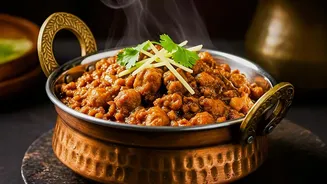
A common habit in Indian cooking is to add more oil when the masala starts sticking to the bottom of the kadhai. Instead, try adding a splash of water, vegetable broth, or tomato puree. This technique, known as deglazing, lifts the flavourful browned bits from the pan and allows the masala to cook through without adding extra fat. For creaminess in curries, you can also turn to ingredients like yogurt, curd, or nut pastes instead of relying solely on oil for richness.
Maximise Flavour, Minimise Oil
The magic of Indian food comes from its spices, not the amount of oil. You can intensify flavours without adding more fat. Dry-roasting whole spices like cumin, coriander seeds, and red chillies in a pan before grinding them unlocks their aromatic oils and provides a deep, toasty flavour. This means you need less oil in the final tadka to get the same aromatic punch. Finishing your dishes with fresh herbs like coriander, a squeeze of lemon juice, or a sprinkle of garam masala at the end also adds a burst of freshness that can compensate for less fat.
Reuse Frying Oil Safely
If you do deep-fry, don't discard the oil after one use. You can often reuse frying oil, which can lead to significant savings. After frying, let the oil cool completely, then strain it through a fine-mesh sieve or cheesecloth to remove any food particles. Store it in a sealed, airtight container in a cool, dark place. It's best to reuse oil for similar foods—for example, keep separate oils for frying vegetarian and non-vegetarian items. Discard the oil when it becomes dark, cloudy, smoky, or develops a rancid smell.