



The Price Hike in a Nutshell
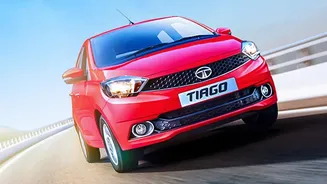
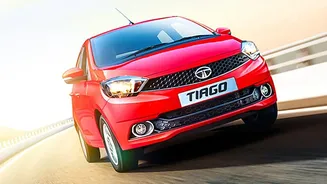
Tata Motors has confirmed it will increase prices for its passenger vehicles by up to ₹25,000, starting from September 1, 2026. This decision impacts the company's entire lineup, from the entry-level Tiago to the flagship Safari, and includes both internal
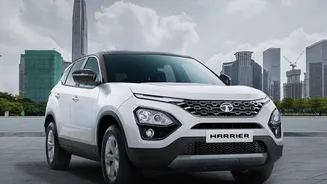
combustion engine (ICE) and electric vehicle (EV) models. The company stated that the exact increase will vary depending on the specific model and variant. This means more affordable cars will likely see a smaller price jump in rupee terms, while top-end SUVs such as the Harrier and Safari could face increases closer to the ₹25,000 cap. This is the third time Tata has raised prices in 2026, following hikes in April and July, highlighting a persistent trend in the auto market.
Why Are Car Prices on the Rise?
The primary reason cited by Tata Motors for this latest price revision is the sustained pressure from rising input and commodity costs. In an official statement, the company explained that this move is intended to partially offset the impact of these increased operational expenses and ongoing inflationary pressures. Tata Motors also added that it continues to absorb a significant portion of the cost escalations to minimise the burden on customers. This isn't an isolated event. Other major automakers like Maruti Suzuki and Hyundai have also implemented multiple price hikes in 2026 for the very same reasons, pointing to a broader industry-wide challenge. Factors like geopolitical uncertainties and macroeconomic pressures are contributing to making raw materials and components more expensive for all manufacturers.
What It Means for Popular Models
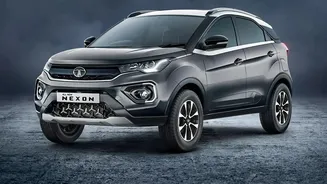
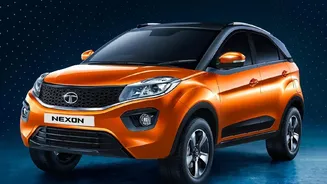
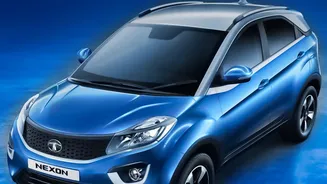
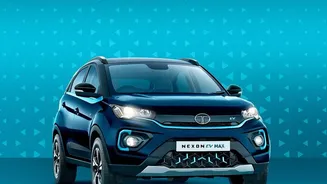
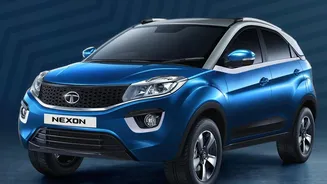
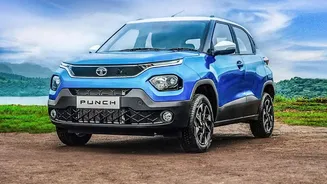
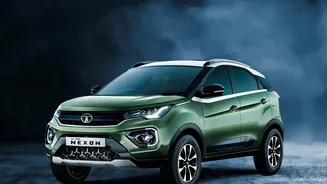
While Tata has not released a detailed variant-wise price list yet, we can estimate the potential impact on some of its best-selling models. For a car like the Tata Punch, which has ex-showroom prices starting around ₹6.13 lakh, a modest 1% to 1.5% increase could translate to an extra ₹6,000 to ₹9,000. For the ever-popular Tata Nexon, India's best-selling SUV, with prices ranging from ₹8 lakh to over ₹15 lakh, the increase could be anywhere from ₹8,000 to ₹22,000, depending on the variant. On the premium end, for a top-tier model of the Tata Harrier or Safari, which can cost upwards of ₹25 lakh, buyers could see the price tag swell by an amount closer to the announced ₹25,000 limit. These estimates demonstrate how even a seemingly small percentage hike can add a considerable amount to the final on-road price you pay.
Your Strategy as a Car Buyer
If you are on the verge of buying a new Tata car, you might still have a small window to act. The new prices come into effect on September 1, 2026. Industry experts suggest that customers who are close to finalising their purchase should try to complete the billing and formalities before this date. This strategy, however, depends on the availability of ready stock at the dealership. It is advisable to contact your local Tata Motors dealer immediately to check for unsold inventory of your desired model and variant. If you are just starting your car search, factor this price increase into your budget calculations. Remember to account for the hike when comparing Tata models with their rivals from brands like Hyundai, Maruti Suzuki, or Mahindra, especially since they are also adjusting their prices.