



Bridging The Generational Gap
For many younger moviegoers, a film from 1978 or 1990 can feel dated in its style, pacing, and social context. Remakes offer a way to preserve a powerful core story while updating its packaging for contemporary tastes. Take Farhan Akhtar’s 2006 film 'Don'.
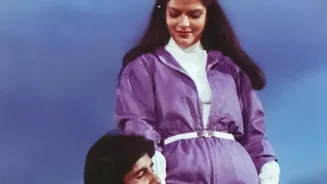
The original 1978 classic starring Amitabh Bachchan was iconic, but the remake introduced the slick, stylish gangster to a new generation, complete with modern action sequences and a shocking plot twist that paved the way for a sequel. By casting Shah Rukh Khan, an actor with his own distinct charisma, the film didn’t just copy the original; it created a new interpretation that could stand on its own while paying homage to the classic, ensuring the story of 'Don' resonates with viewers who weren't around for the first one.
A Gateway To Regional Blockbusters
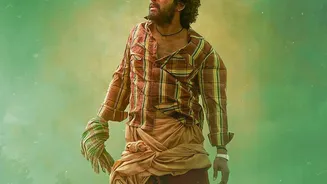
In a country with multiple vibrant film industries, a great story in one language might not reach the vast Hindi-speaking audience. Remakes act as a powerful tool for cross-pollination. Films like 'Kabir Singh', a nearly frame-for-frame remake of the Telugu hit 'Arjun Reddy', brought a raw, controversial, and wildly successful regional story to the national stage. Both were helmed by the same director, Sandeep Reddy Vanga, ensuring the original vision was maintained while adapting it for a different market. Similarly, the 'Drishyam' franchise, originally a Malayalam masterpiece, found immense success in its Hindi version, proving that a compelling, high-concept thriller can transcend linguistic and cultural barriers when adapted thoughtfully. This pipeline introduces pan-Indian audiences to narratives they might have otherwise missed.
An Opportunity To Refine And Rebuild
Not every classic film is a perfect one. Some originals have a brilliant premise but suffer from flawed execution, dated production, or clumsy scripts. A remake can be a second chance to get it right. A prime example is 2012's 'Agneepath'. The 1990 original, starring Amitabh Bachchan, was a commercial disappointment at the time, considered by many to be over-the-top and tonally inconsistent despite its powerful core idea. The remake, produced by Karan Johar as a tribute to his father's film, kept the central revenge plot but gave it a grittier, more grounded treatment. With a modern aesthetic and powerful performances from Hrithik Roshan and Sanjay Dutt, the new 'Agneepath' became a massive blockbuster, finally realizing the full potential of the original story.
The Commercial Logic Of Familiarity
Beyond the cultural arguments, there's a simple business reality: filmmaking is a risky venture. Producers are often looking for ways to minimize financial exposure, and a story that has already proven successful is seen as a safer bet. A film with a built-in fan base, whether it's an old classic or a regional hit, comes with a degree of audience awareness. This doesn't guarantee success, as the changing tastes of audiences and the accessibility of original films on streaming platforms have made remakes a more uncertain gamble. However, from a producer's perspective, adapting a tested narrative is often perceived as a more predictable investment than banking on a completely new and unproven concept, which helps explain the industry's continued reliance on the formula.