


What Exactly Is a Planetary Conjunction?
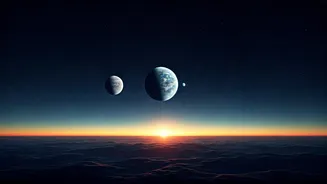
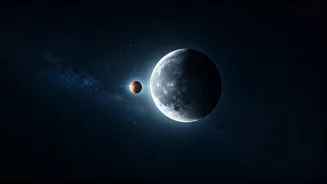
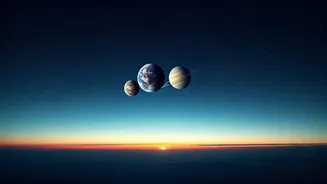
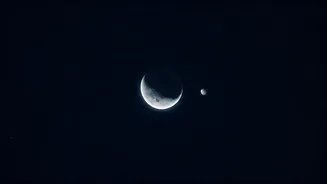
Don't worry, the planets aren't about to collide. A planetary conjunction is a beautiful optical illusion that happens from our perspective here on Earth. It occurs when two or more planets appear to be very close to one another in the night sky. In reality,
they are still hundreds of millions of kilometres apart, but their orbits have aligned in a way that makes them look like cosmic neighbours for a short while. Think of it as seeing two distant ships on the ocean appearing to pass right next to each other from your viewpoint on the shore. These events are not just beautiful; they have been observed and recorded by cultures for millennia, often seen as signs and portents. For us, they are a fantastic reminder of the grand, clockwork-like dance of our solar system.
The Dazzling Stars of the Show
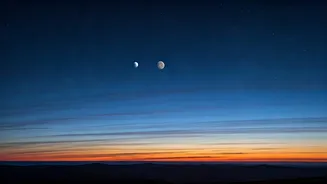
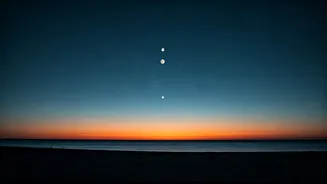
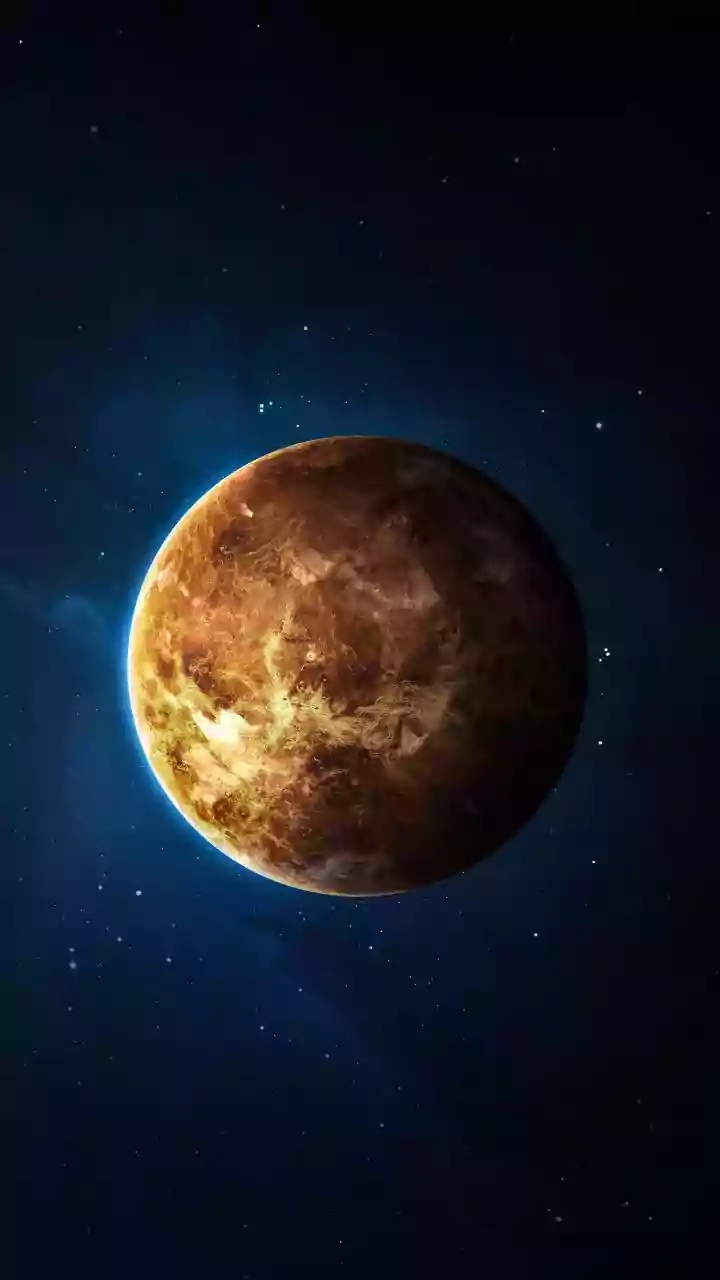
Tonight's main attractions are typically the brightest objects in our night sky after the Moon. Often, these conjunctions involve the dazzling planet Venus, known as the 'Evening Star' when it appears after sunset, and the gas giant Jupiter, the undisputed king of planets. Venus shines with a brilliant, steady, silvery light and is usually the first 'star' to pop into view as twilight deepens. Jupiter is also incredibly bright but has a more serene, golden-white glow. When they appear close together, their combined light is unmissable. You don't need to be an expert to spot them; they will be the most prominent, non-twinkling points of light in the designated part of the sky. Their steady shine is what distinguishes them from stars, which tend to twinkle due to atmospheric disturbance.
Your Step-by-Step Viewing Guide for India
Seeing this celestial display is easy. Here’s what you need to do: 1. **Timing is Everything:** The best time to look is during the twilight hour, starting about 30 to 45 minutes after sunset. This is when the sky is dark enough for the planets to shine brightly, but before they sink too low and disappear below the horizon. 2. **Look to the West:** As the Sun sets in the west, that's the direction you’ll want to face. The planets will be following the Sun's path. Find an observation spot with a clear, unobstructed view of the western horizon. A balcony, a rooftop, a park, or even an open field away from tall buildings is perfect. 3. **Know What You're Seeing:** Scan the sky above where the sun just set. You will be looking for two bright, star-like objects that are noticeably close to each other. They will be much brighter than any of the actual stars around them. Their proximity is the key—that’s the conjunction!
Naked Eye, Binoculars, or Telescope?
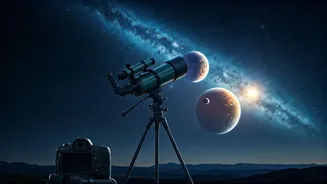
The great news is that you don’t need any special equipment to witness a planetary conjunction. The planets involved are bright enough to be easily seen with the naked eye, making this a perfect activity for the whole family. However, if you have a pair of binoculars, you're in for a treat. The headline is right—pointing binoculars at the event will elevate your experience. Binoculars will make the planets appear sharper, brighter, and more distinct. If Jupiter is part of the conjunction, a standard pair of binoculars might even be powerful enough to reveal its four largest moons—Io, Europa, Ganymede, and Callisto—appearing as tiny pinpricks of light in a neat line next to the planet. It’s a truly awe-inspiring sight, connecting you directly to Galileo's famous observations from centuries ago. A telescope, of course, will offer even more detail, like Jupiter's cloud bands.
Tips for the Perfect Stargazing Evening
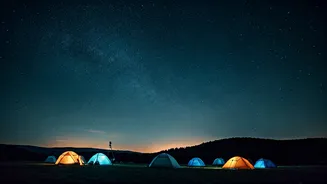
To make the most of the event, try to find a spot with as little light pollution as possible. While you can see the conjunction from a brightly lit city, the view is always more dramatic against a darker sky. Give your eyes at least 15 minutes to adjust to the darkness; avoid looking at your phone screen. This will help you see more faint stars and appreciate the full celestial context. If you have a stargazing app on your phone, you can use it to confirm which planets you are seeing. Most importantly, be patient. Sometimes, haze or thin clouds can obscure the view momentarily. Wait a few minutes, and it might clear up. This is a chance to slow down, look up, and connect with the cosmos above.