






An End to Recent Confusion
For many travellers, planning a trip to Thailand has been a confusing affair recently. A popular 60-day visa-free scheme that was in place for visitors from 93 countries, including India, was slated for a major overhaul. In May 2026, the Thai cabinet
announced plans to revoke the scheme, causing widespread uncertainty and a noticeable drop in tourist arrivals from key markets like India. The lack of a clear policy made it difficult for tourists to book flights and accommodation with certainty. Recognising this, the government has now stepped in with a definitive new structure designed to bring back clarity and stability for international visitors.
The New Rule for Indian Travellers
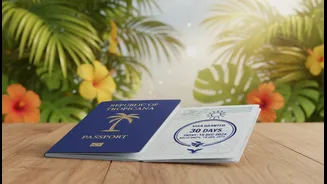
As of a cabinet decision on July 14, 2026, the primary change for Indian passport holders is a move to a standard 30-day visa-free entry. This new rule replaces the previous 60-day allowance. While this may seem like a reduction, the government's goal is to create a single, easy-to-understand policy for a large group of countries. According to officials, this move was made to align with the typical travel behaviour of tourists from India, who on average stay for about a week. The key takeaway for planners is that this 30-day visa-free entry is now the confirmed, standard rule, removing the ambiguity that hampered travel plans in previous months.
How Certainty Helps You Plan
The real benefit of this announcement isn't the length of stay, but the certainty it provides. A confirmed, predictable 30-day visa-free period is far better for planning than a fluctuating policy. Travellers can now book their trips with full confidence, knowing exactly what the entry requirements are upon arrival. This clarity eliminates the risk of last-minute policy changes disrupting a well-planned holiday. For a standard two-to-three-week vacation, the 30-day window is more than sufficient and provides a solid, reliable foundation for your travel arrangements, from flights and hotels to tours and activities.
Need to Stay Longer? You Have Options
What if 30 days isn't enough to explore the beaches of Krabi, the temples of Chiang Mai, and the bustling streets of Bangkok? The good news is that options for longer stays are still very much available. Tourists who enter on the 30-day visa-free scheme can typically apply for a 30-day extension at a local immigration office for a fee, effectively bringing their total stay to 60 days. Alternatively, travellers planning a longer trip from the outset can apply for a standard 60-day single-entry Tourist Visa (TR) from a Thai embassy or consulate before they leave India. This ensures you have the time you need for a more immersive experience without worrying about your visa status.
A New Visa for Digital Nomads and Long-Stay Fans
Perhaps the most exciting development is the introduction of the 'Destination Thailand Visa' (DTV), often called the digital nomad visa. This is a game-changer for remote workers, freelancers, or anyone dreaming of a long-term 'workcation'. The DTV is valid for five years and allows multiple entries, with each stay lasting up to 180 days. You can even extend that stay for another 180 days from within Thailand, allowing for a visit of nearly a year at a time. Applicants need to be at least 20 years old and show proof of sufficient funds (around THB 500,000) in a bank account. This visa is also available to spouses and children, making it a viable option for families looking to settle in for an extended period.