




From Occasion-Wear to Office-Wear
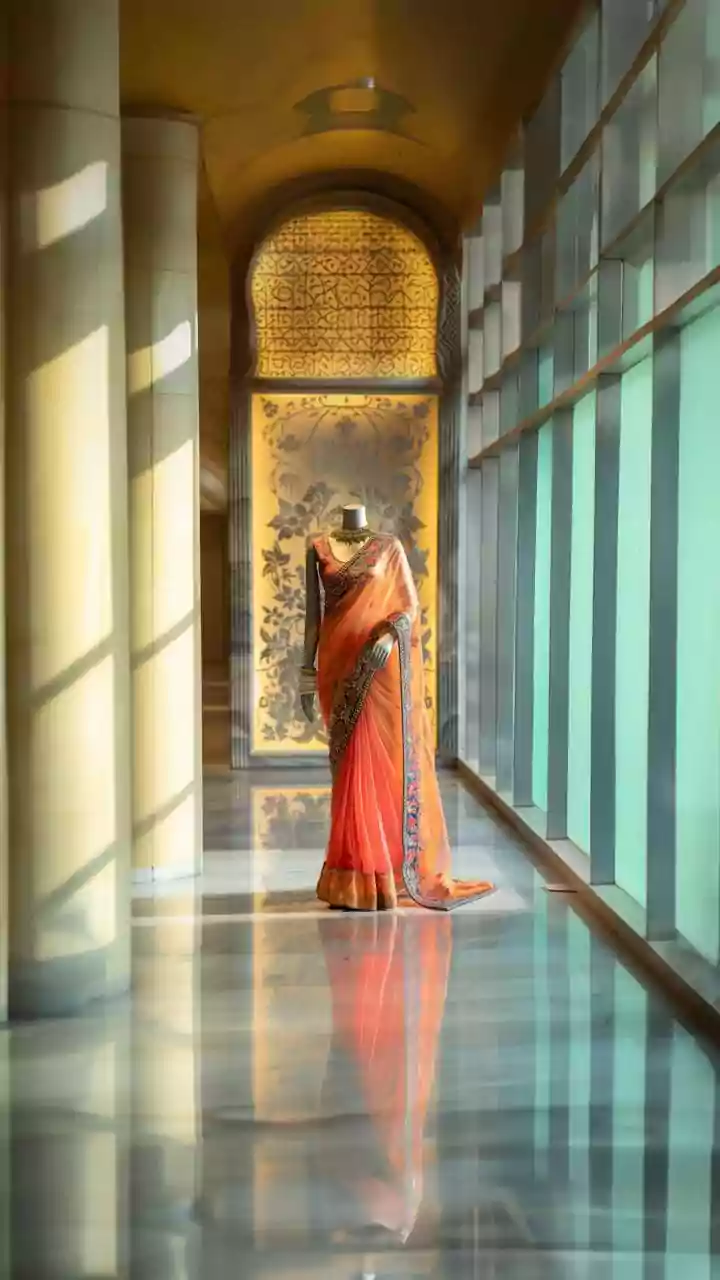
The handloom revival is visible on our streets and in our wardrobes. Fabrics like Khadi, Ikat, and Chanderi, once synonymous with heavy sarees and formal wear, are being reimagined into contemporary silhouettes. Designers are crafting chic co-ord sets,
breezy dresses, sharp jackets, and even trousers from these traditional weaves. This has democratised handloom, making it accessible and practical for a new generation that values both style and substance. The transition marks a significant change in perception: handloom is no longer just a symbol of tradition to be admired, but a versatile and modern textile to be lived in.
The Allure of Authenticity and Sustainability
A key driver of this revival is a growing desire for authenticity and sustainability, particularly among younger consumers. In a world saturated with fast fashion, handloom offers a compelling alternative. These fabrics are inherently eco-friendly; they are woven on looms that require no electricity, significantly reducing the carbon footprint associated with production. Many artisans use natural dyes derived from plants and minerals, which are biodegradable and prevent the chemical pollution common in industrial textile manufacturing. Choosing handloom is a conscious decision to support slower, more mindful consumption, moving away from the wastefulness of disposable fashion. Each piece tells a human story of skill and heritage, something mass-produced items cannot replicate.
Comfort in a Modern Indian Context
Beyond the ethics and aesthetics, there's a practical reason for handloom's growing popularity: comfort. Many traditional fabrics, such as cotton and linen, are breathable and perfectly suited to India's climate. Unlike synthetic materials that trap heat, handwoven textiles allow for air circulation, making them ideal for long workdays and humid weather. This focus on functional, comfortable clothing aligns with a modern lifestyle where ease and versatility are paramount. The fabric that was once considered high-maintenance is now being appreciated for its lived-in softness and durability, proving that traditional materials are often the most practical choice.
Designers as Cultural Bridges
Fashion designers have played a pivotal role in this revival, acting as bridges between artisanal communities and urban markets. Visionaries like Sabyasachi Mukherjee, Ritu Kumar, and Sanjay Garg of Raw Mango have been instrumental in re-contextualizing handloom for a modern audience. They collaborate directly with weaving clusters, providing design interventions that make traditional textiles relevant for contemporary silhouettes without erasing their cultural identity. This synergy ensures that heritage techniques are preserved while also creating market-ready products that appeal to global tastes. Through their work, designers are not just creating clothing; they are telling stories and ensuring the economic viability of these ancient crafts.
Weaving Economic and Social Empowerment
The impact of this revival extends far beyond fashion. The handloom sector is one of India's largest employers, second only to agriculture, providing a livelihood for millions of people, especially in rural areas. A significant portion of these artisans are women, for whom weaving provides a crucial source of income and financial independence. By choosing to buy handloom, consumers are participating in a system that supports fair wages, preserves generational skills, and fosters sustainable economic growth in decentralised communities. This shift helps counter the challenges the sector has faced, including competition from power looms and the reluctance of younger generations to take up the craft due to low wages.