







The Aesthetic of 'Less is More'
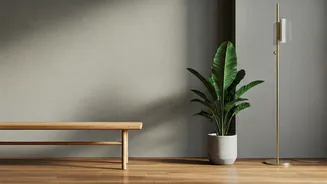
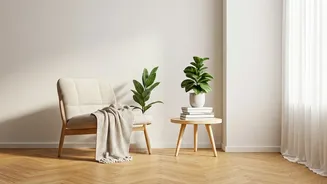
The defining interior design ethos for many young Indians is a clean, uncluttered look. Gone are the days of maximalist décor with heavy velvets and brocades that once signified luxury. Today, luxury is about space, light, and simplicity. This aesthetic
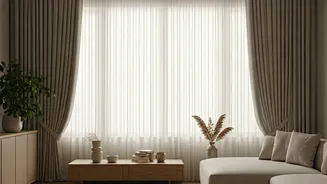
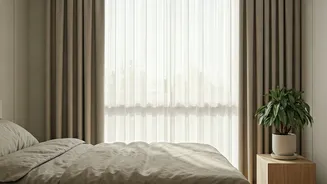
is heavily influenced by global trends like Scandinavian and Japandi (a hybrid of Japanese and Scandinavian) design, which both prioritise functionality, natural materials, and a sense of calm. Minimal cotton curtains fit perfectly into this philosophy. They don’t dominate a room; they complement it. Their simple texture and often neutral tones (think whites, beiges, and soft greys) create a serene backdrop that makes smaller urban apartments feel larger and more open.
A Deep Dive into Wellness and Natural Light
More than any generation before, Gen Z prioritises mental health and well-being, and they understand the profound impact their environment has on their mood. Heavy, light-blocking curtains can make a space feel closed-in and sombre. Breathable cotton curtains do the opposite. They filter sunlight gently, bathing a room in a soft, diffused glow that feels uplifting and energising. This concept is linked to 'biophilic design'—the idea of connecting with nature indoors. Allowing natural light to flood a room is a core tenet of this approach. The sheer, gauzy quality of cotton curtains maintains privacy while still connecting the inhabitants to the rhythm of the day, from the bright morning sun to the soft evening light, fostering a healthier, more natural living environment.
A Conscious Choice for Sustainability
Gen Z is a generation of conscious consumers who question the origins and impact of their purchases. This extends from their fashion choices to their home furnishings. Synthetic fabrics like polyester, commonly used for curtains, are derived from petroleum and are not biodegradable. Cotton, on the other hand, is a natural, renewable, and biodegradable fibre. By choosing organic or ethically sourced cotton, young consumers feel they are making a more responsible choice for the planet. This decision is less about performative eco-friendliness and more about a genuine alignment of values. A simple cotton curtain becomes a small but significant vote for a more sustainable lifestyle, rejecting the throwaway culture of fast furniture.
The Practicality for Modern Indian Living
Beyond aesthetics and ethics, there's a strong practical reason for this trend. Lightweight cotton curtains are simply easier to handle. For a generation often living in rented apartments, they are easy to install, remove, and transport. They are also incredibly easy to maintain—most can be thrown into a washing machine, unlike heavy drapes that require expensive dry-cleaning. In a hot and humid climate like India’s, breathable fabrics are essential. Cotton allows for better air circulation, preventing rooms from feeling stuffy. They dry quickly after a wash, which is a huge advantage during monsoon season. This practicality makes them the perfect, no-fuss solution for the fast-paced, transient lifestyle of many young adults today.
The Influence of the Social Media Feed
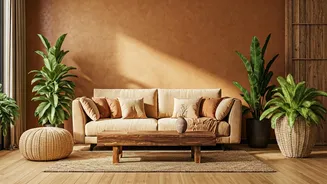
You cannot discount the power of the 'gram. The light and airy aesthetic popularised by influencers on Instagram, Pinterest, and TikTok has set a visual standard for modern interiors. Photos of sun-drenched rooms with plants and minimalist furniture perform exceptionally well on these platforms. Sheer cotton curtains are key to achieving this photogenic look, as they act like a natural soft-box, creating beautiful, gentle light that is perfect for photos and videos. When your living space also doubles as your backdrop for content creation or video calls, having an environment that is consistently bright and aesthetically pleasing becomes a priority. The curtains are no longer just window coverings; they are part of a carefully curated personal brand.